/monster-stat-cards · tabletop
Monster stat cards: filled card, blank card, boss card
Make your ownMonster stat cards
Describe yours. We'll remake the whole pack your way.
More like this
the whole catalog →
every sample — three subjects, three styles ↓
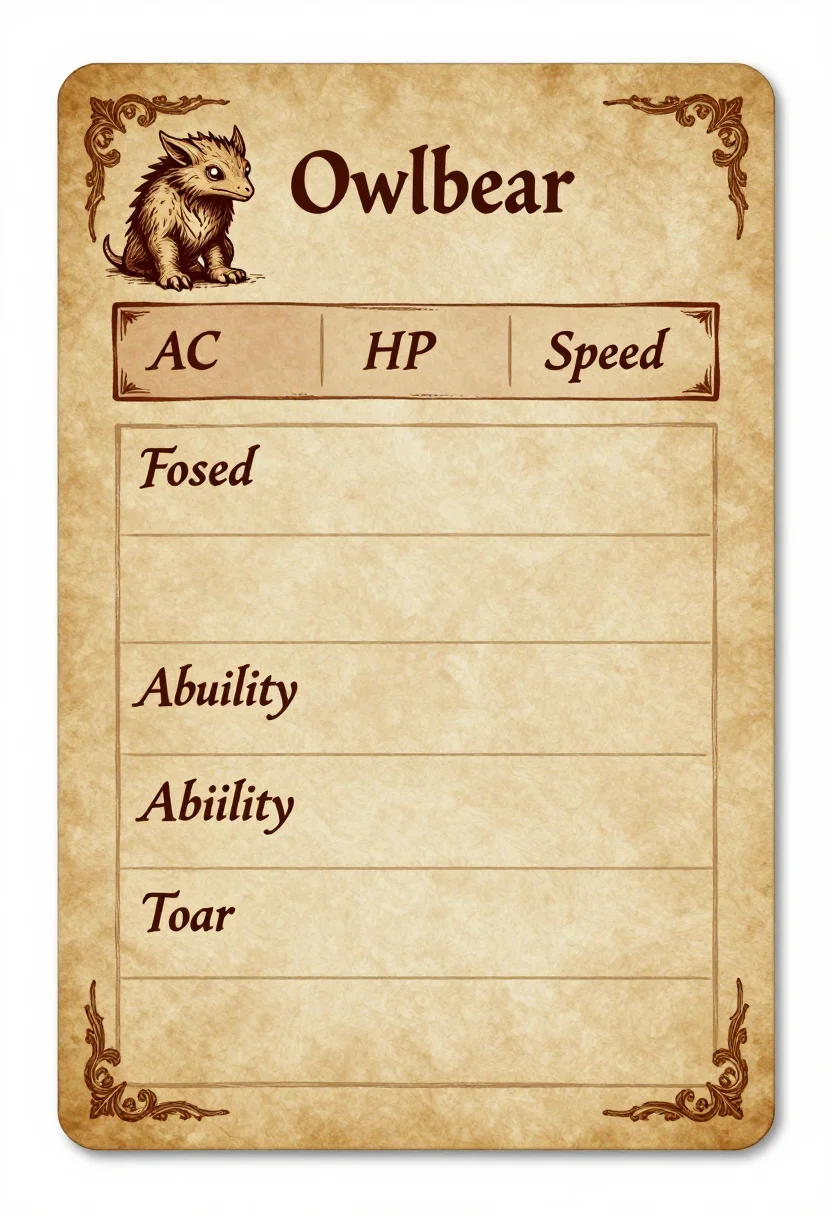
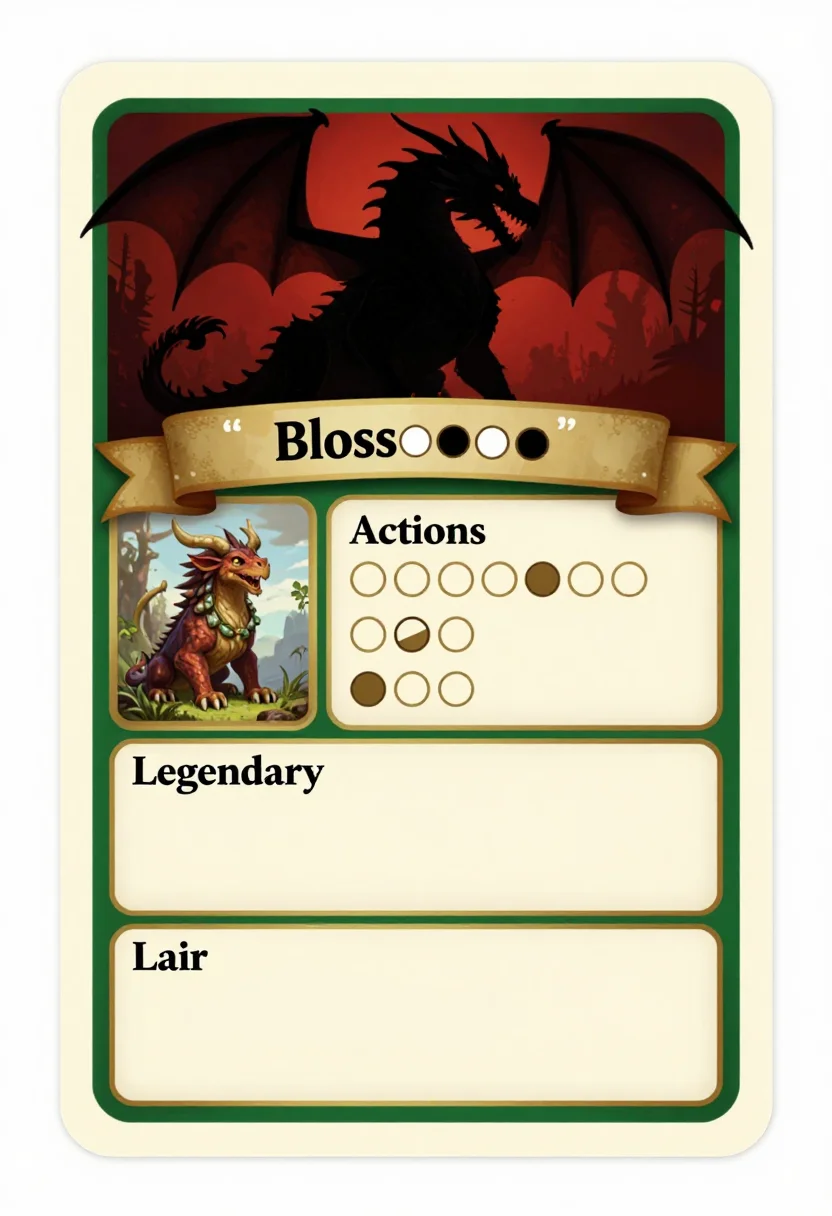
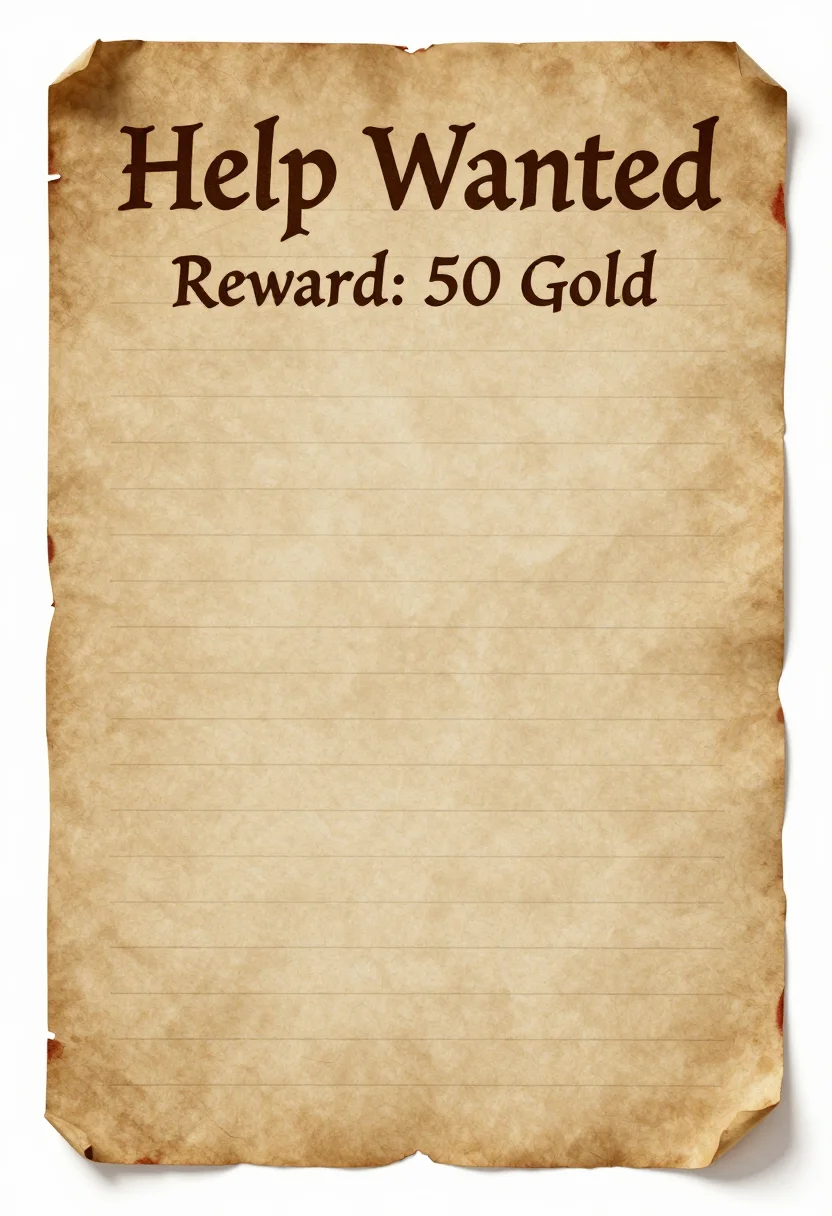
Monster stat cards let a game master run a fight without opening the rulebook: one monster per card, with armour class, hit points and speed in labelled boxes. This pack shows a filled owlbear card, a blank card to fill in, and a boss card with room for actions. Each comes in parchment, plain ink line or bestiary style. Type another monster, such as an undead or a dragon, and the card keeps the same stat layout.
- a stat card for each monster in a fight
- a blank card for a monster you invent
- a boss card for the final battle of a session
- a printed set kept beside the game screen
Frequently asked questions
- What do the nine pictures show?
- Three readings in three styles: a filled stat card for an owlbear, a blank card with empty boxes, and a boss card with hit-point circles and action panels.
- Can I print these at home?
- Yes. Each card is laid out on one vertical page with an even margin and a thin cut line, so it prints on ordinary paper.
- What is the difference between the three styles?
- Parchment is an aged, hand-inked card with a red accent. Ink line is black on white with no fills, the simplest to copy. Bestiary has a painted creature, a ribbon title and gold-edged boxes.
- Can I get a monster other than the owlbear?
- Type another monster, such as an undead or a dragon, and the card keeps the same stat boxes; the result is a request, not a promised picture.
About toile
This page is a showcase and a starting point: nine samples already rendered, three readings of the pack crossed with three styles, each shown at the size and ratio it was made for. Take any of them further on the wall with a few words, or ask for all nine again under your own direction; a sign-in keeps what you make, and it is free while Toile is new. The recipe behind each sample — the subject, the style, the palette, the framing — travels with the image rather than staying private to the render: it is in the alt text of every sample and in the page's own structured data, so a search engine reads the same handles a person would.