/navratri-colours-charts · faith
Navratri colours chart: the nine days, a colour wheel, an office dress code
Make your ownNavratri colours chart
Describe yours. We'll remake the whole pack your way.
More like this
the whole catalog →
every sample — three subjects, three styles ↓
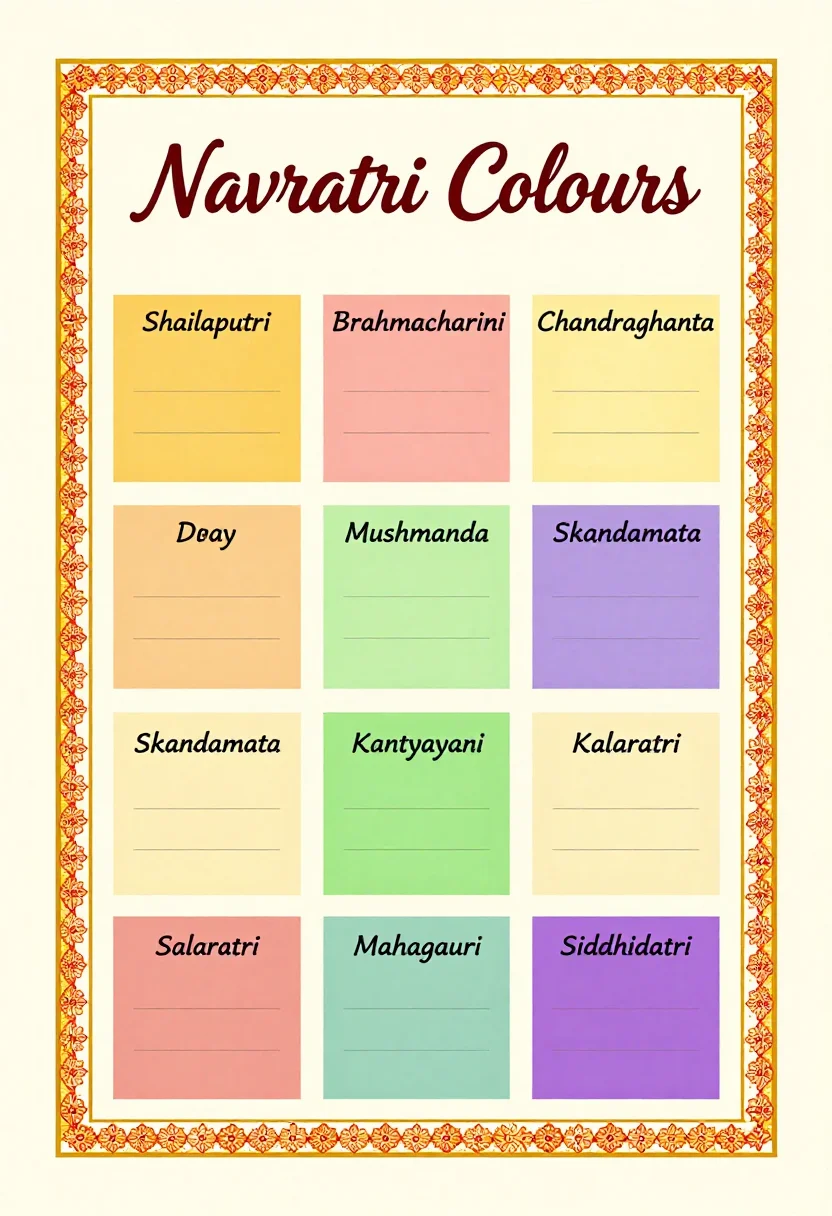
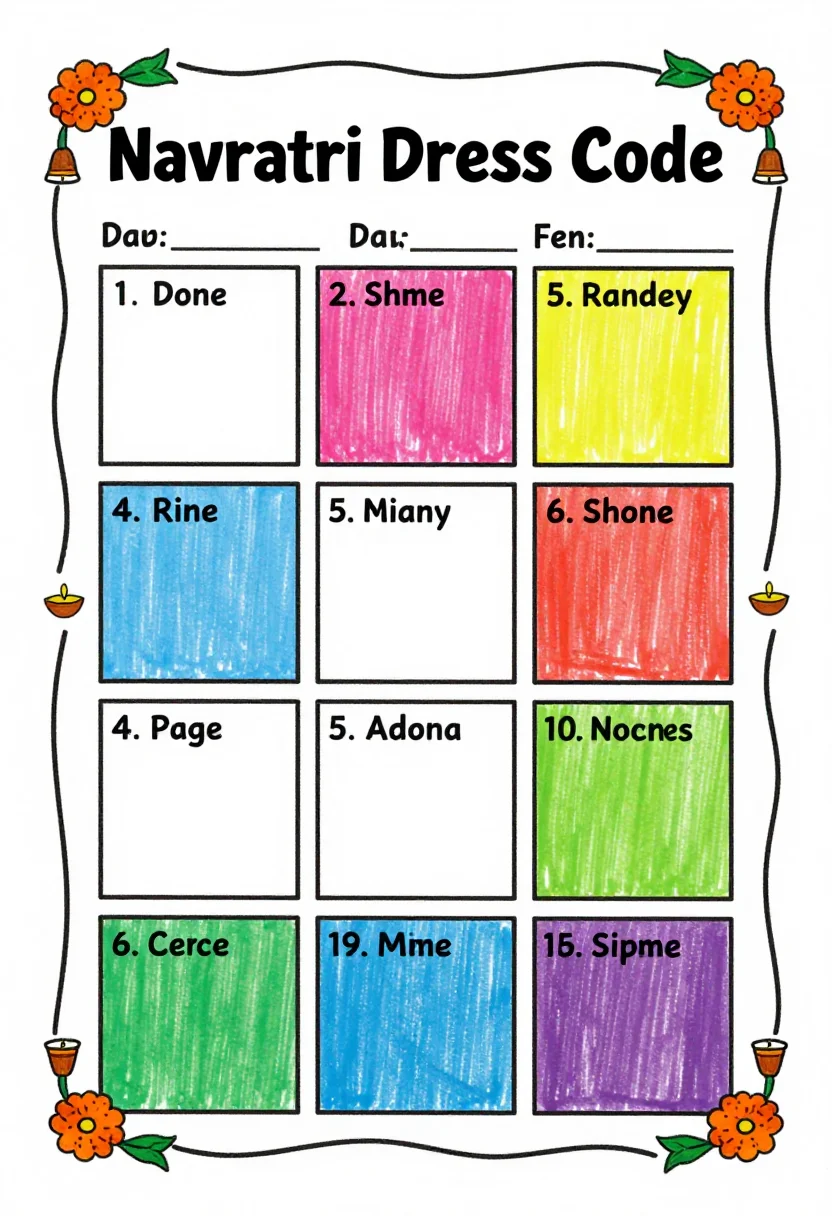
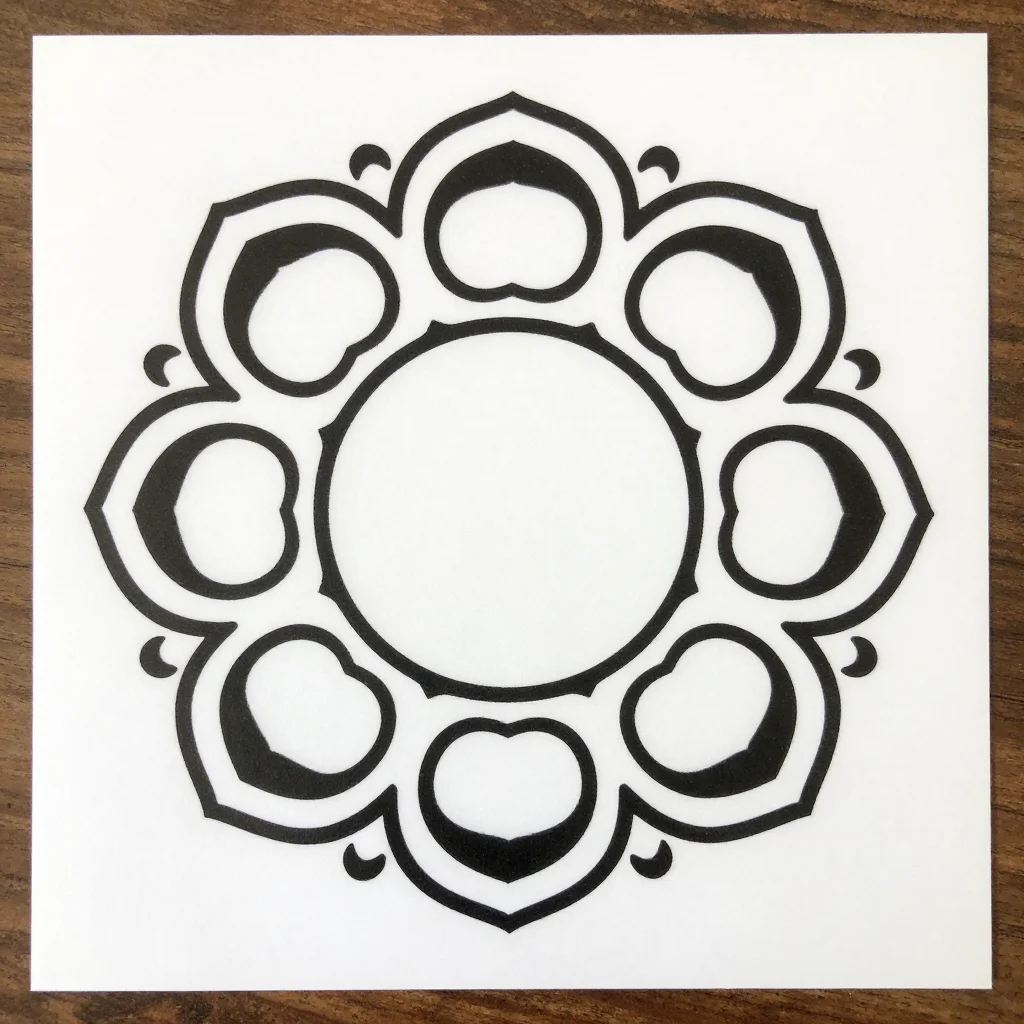
A Navratri colours chart shows which colour to wear on each of the nine days and which form of the Goddess is worshipped that day. These nine are printable portrait pages: a nine-row list of the Navadurga in order, a colour wheel around a garbo lamp, and an office dress-code grid. Each day has a swatch and a blank date line. Type a different language or palette and the same layout follows.
- a family wall chart for the nine nights
- a notice board in an office or a school
- a printable sheet to fill in the dates
- a dress-code reminder for a Navratri week
Frequently asked questions
- Are the dates filled in?
- No. The date lines are empty so you can write in the dates for your year.
- What is the difference between the three styles?
- Mandala has a saffron and gold ornamental border on cream paper; modern is a clean flat grid on white; classroom is a crayon chart with marigolds and diyas in the corners.
- Does the chart show all nine forms of the Goddess?
- Yes. The list version names the nine Navadurga forms in order, from Shailaputri to Siddhidatri.
- Can I change the language or the palette?
- Yes. Type the change as a direction, such as Hindi names or pastel shades; it is a request, and the chart is drawn to it.
About toile
This page is a showcase and a starting point: nine samples already rendered, three readings of the pack crossed with three styles, each shown at the size and ratio it was made for. Take any of them further on the wall with a few words, or ask for all nine again under your own direction; a sign-in keeps what you make, and it is free while Toile is new. The recipe behind each sample — the subject, the style, the palette, the framing — travels with the image rather than staying private to the render: it is in the alt text of every sample and in the page's own structured data, so a search engine reads the same handles a person would.