/neoclassicism · style
Neoclassicism: the oath, the reclining figure, the death scene
Make your ownNeoclassicism
Describe yours. We'll remake the whole pack your way.
More like this
the whole catalog →



every sample — three subjects, three styles ↓
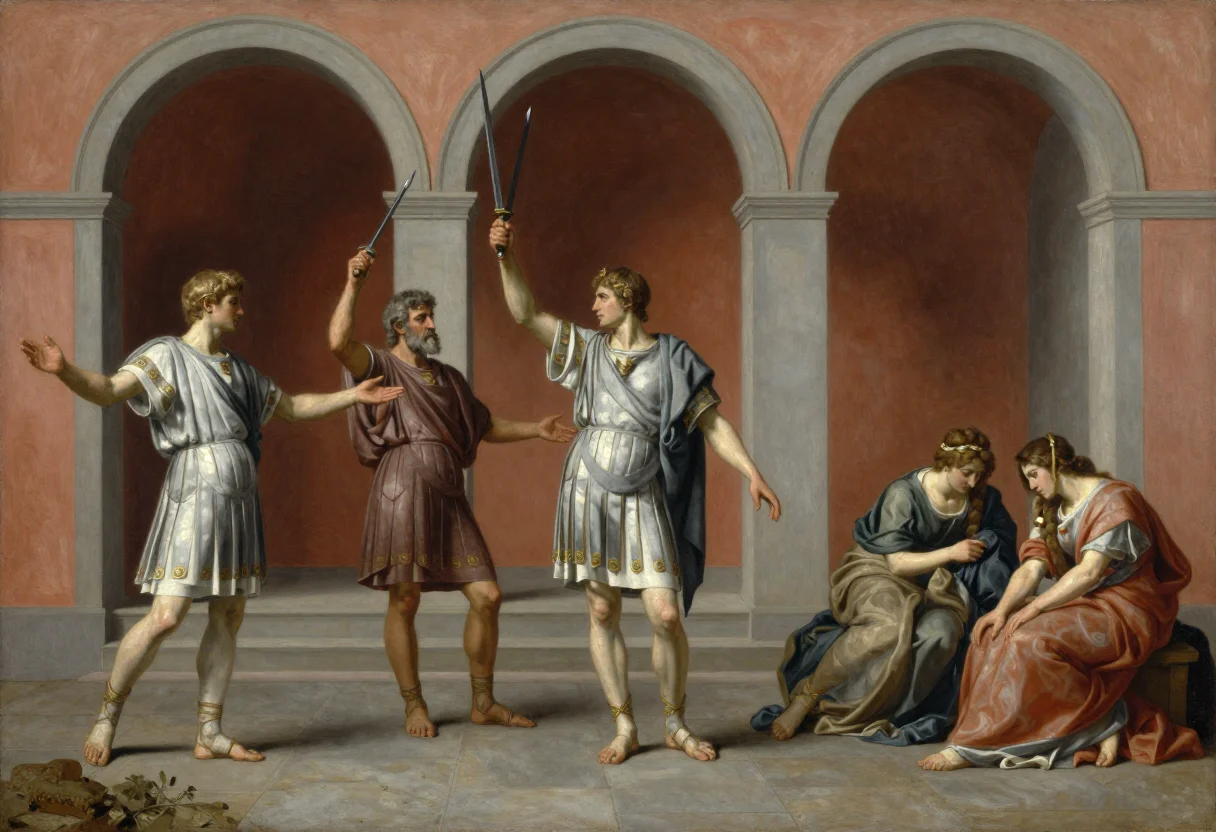
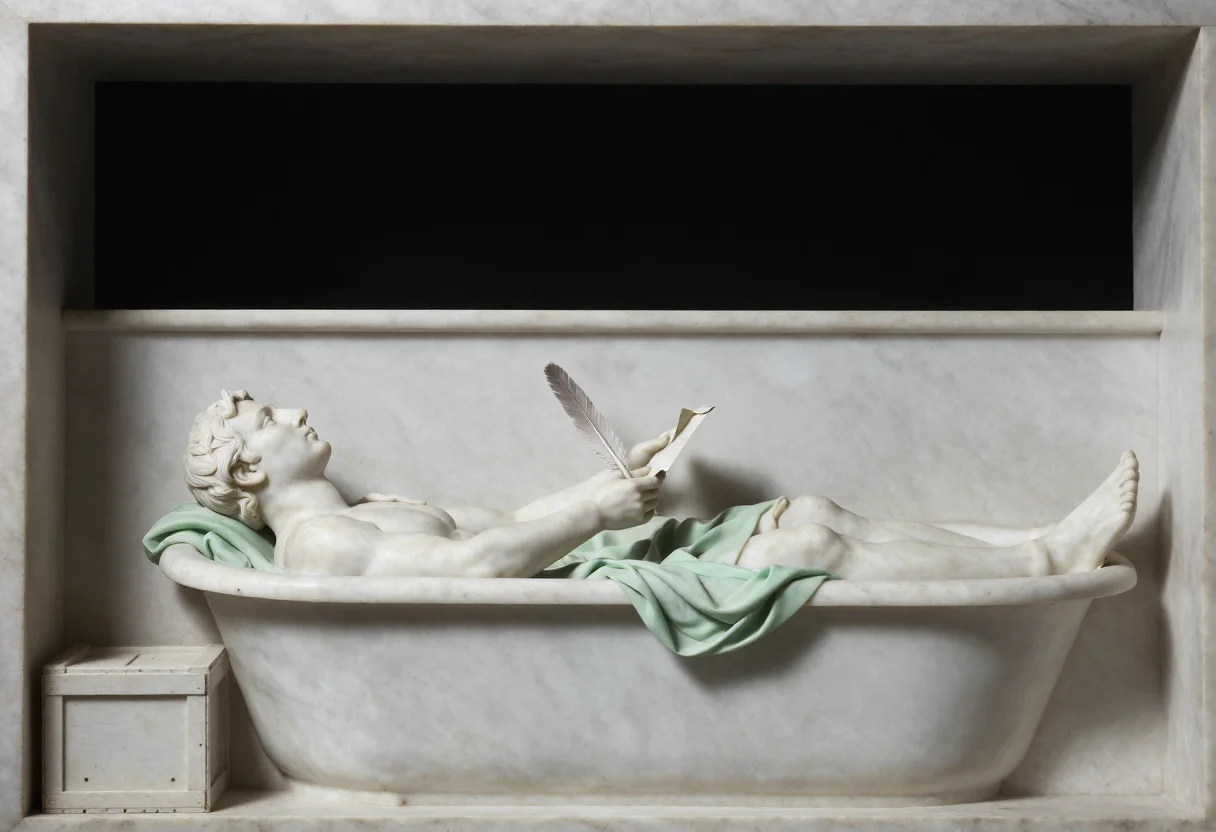
Neoclassicism is David and Ingres: the oath sworn on raised swords, a frieze-like composition, marble skin, a line so clean it hurts. These nine render the oath, a reclining figure and a death scene, each across three finishes — full academic oil, a pencil preparatory study, and a carved marble relief. Ask for a mother and child, torchlight at night, or just two figures — the same three finishes carry it.
- a study or library wall print
- a classical-art collection piece
- a poster or fine-art print
- an art-history classroom display
- a formal, dramatic living room print
Frequently asked questions
- What size do these print at?
- Each render is composed as a formal, frieze-like panel, suited to a poster or a large framed print.
- Can I get a different scene, like a mother and child or torchlight?
- Yes — the direction field takes any subject, and the same three finishes render it.
- What's the difference between the three finishes?
- Academic oil is the full painted, polished register; pencil study is a bare preparatory drawing; marble relief renders the scene as carved stone.
- Is this a copy of a real David or Ingres painting?
- No — it's an original rendered image in the register of the movement, not a reproduction of any named painting.
About toile
This page is a showcase and a starting point: nine samples already rendered, three readings of the pack crossed with three styles, each shown at the size and ratio it was made for. Take any of them further on the wall with a few words, or ask for all nine again under your own direction; a sign-in keeps what you make, and it is free while Toile is new. The recipe behind each sample — the subject, the style, the palette, the framing — travels with the image rather than staying private to the render: it is in the alt text of every sample and in the page's own structured data, so a search engine reads the same handles a person would.