/paper-flowers · cutfiles
Paper flower templates: giant rose, dahlia and daisy petals
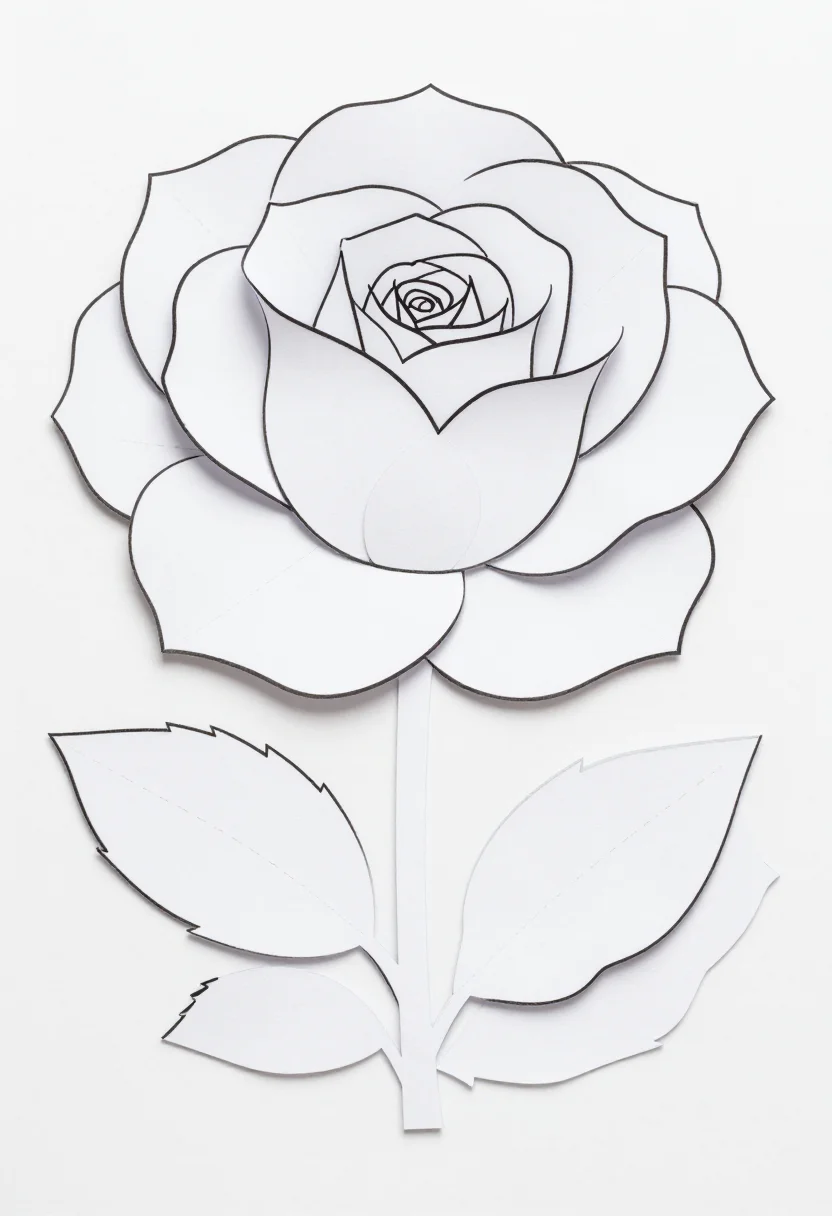
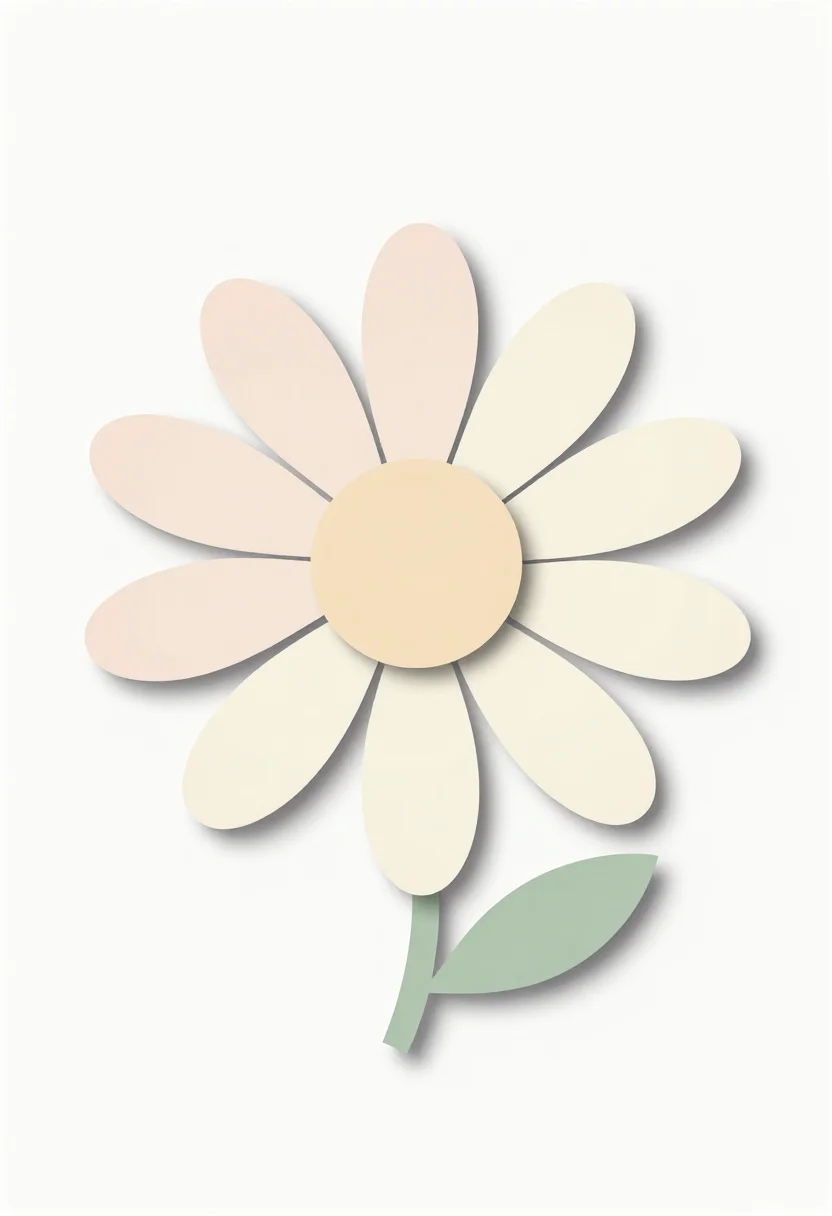
Make your ownPaper flowers
Describe yours. We'll remake the whole pack your way.
More like this
the whole catalog →
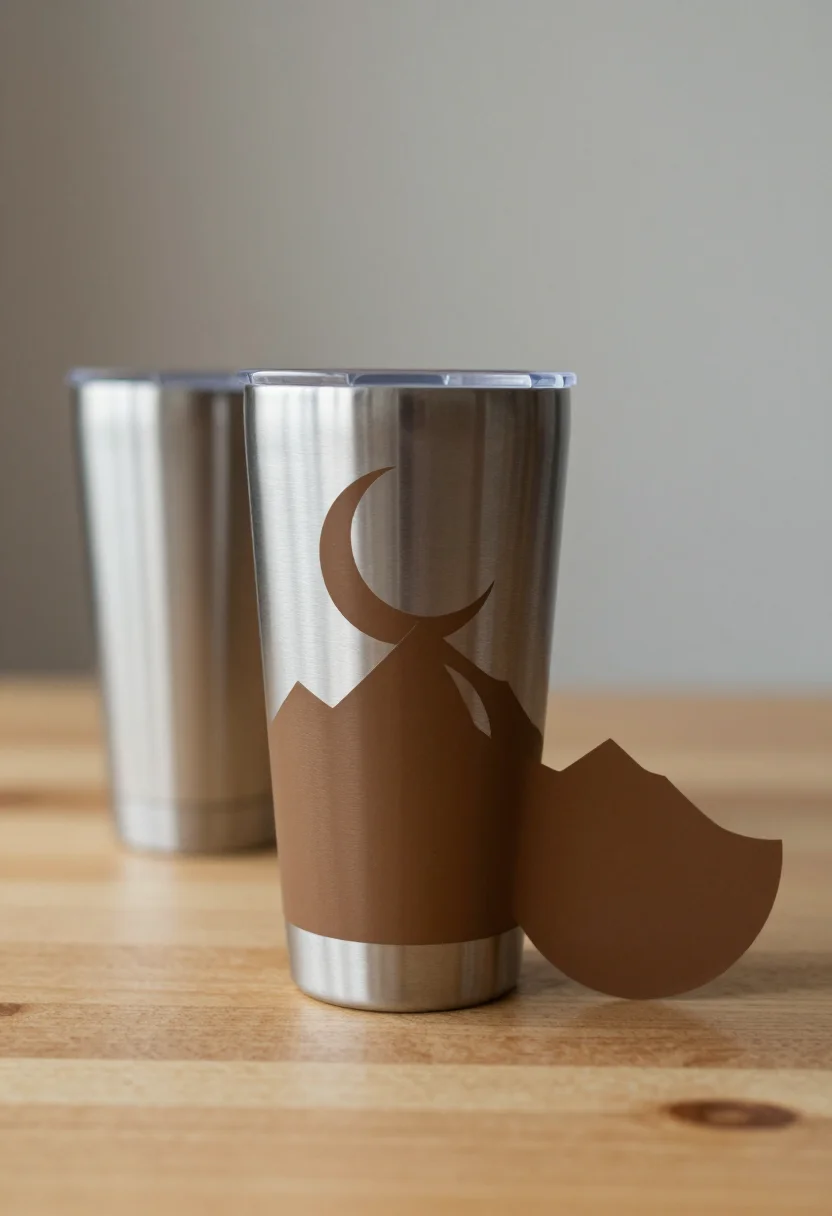
every sample — three subjects, three styles ↓
A paper flower template is a set of petal shapes with a promise attached — cut and curl these, and this is what you get. These nine template a giant rose of layered petals, a dahlia of folded cones, and a simple daisy set, each shown as the template sheet, the assembled result, and flat. Print, cut and curl, or type a different flower and it templates again.
- a giant paper flower backdrop
- a wedding or party centerpiece
- a classroom craft project
- a wall installation piece
- a gift-wrap topper
Frequently asked questions
- Do I print the template or the finished flower?
- Print the template sheet — the flat petal shapes you cut out. The assembled-photo image shows what those petals become once curled and layered; it isn't the print file.
- What paper works best?
- Cardstock holds a curl and a shape better than printer paper — most paper-flower makers use 65-110lb cardstock for petals.
- How big does the giant rose end up?
- Sized for a large statement bloom — the kind used in backdrops and centerpieces, not a small craft-project flower.
- Can I get a different flower as a template?
- Yes — type a different flower and the set templates again as sheet, assembled photo and flat.
About toile
This page is a showcase and a starting point: nine samples already rendered, three readings of the pack crossed with three styles, each shown at the size and ratio it was made for. Take any of them further on the wall with a few words, or ask for all nine again under your own direction; a sign-in keeps what you make, and it is free while Toile is new. The recipe behind each sample — the subject, the style, the palette, the framing — travels with the image rather than staying private to the render: it is in the alt text of every sample and in the page's own structured data, so a search engine reads the same handles a person would.