/decals · cutfiles
Vinyl decal designs: pantry labels, car and wall decals in three cuts
Make your ownDecals
Describe yours. We'll remake the whole pack your way.
More like this
the whole catalog →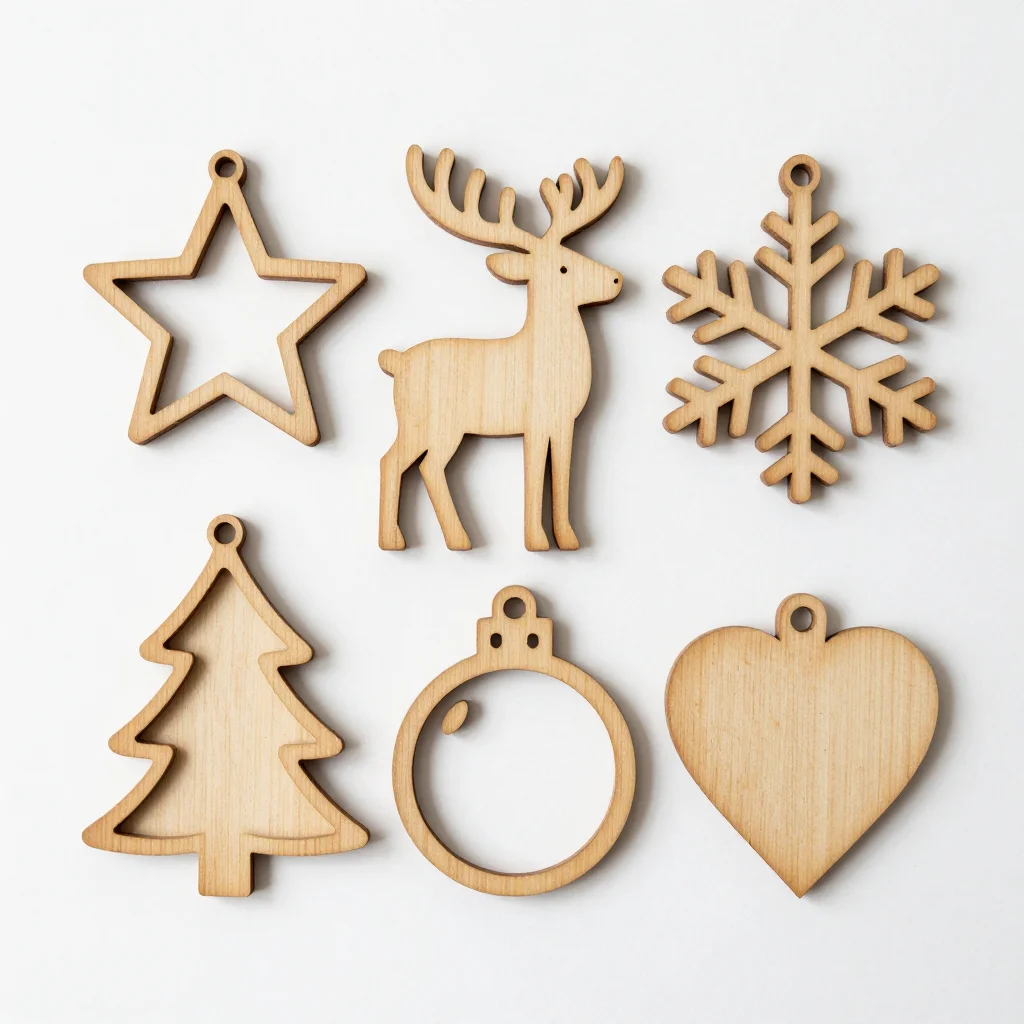
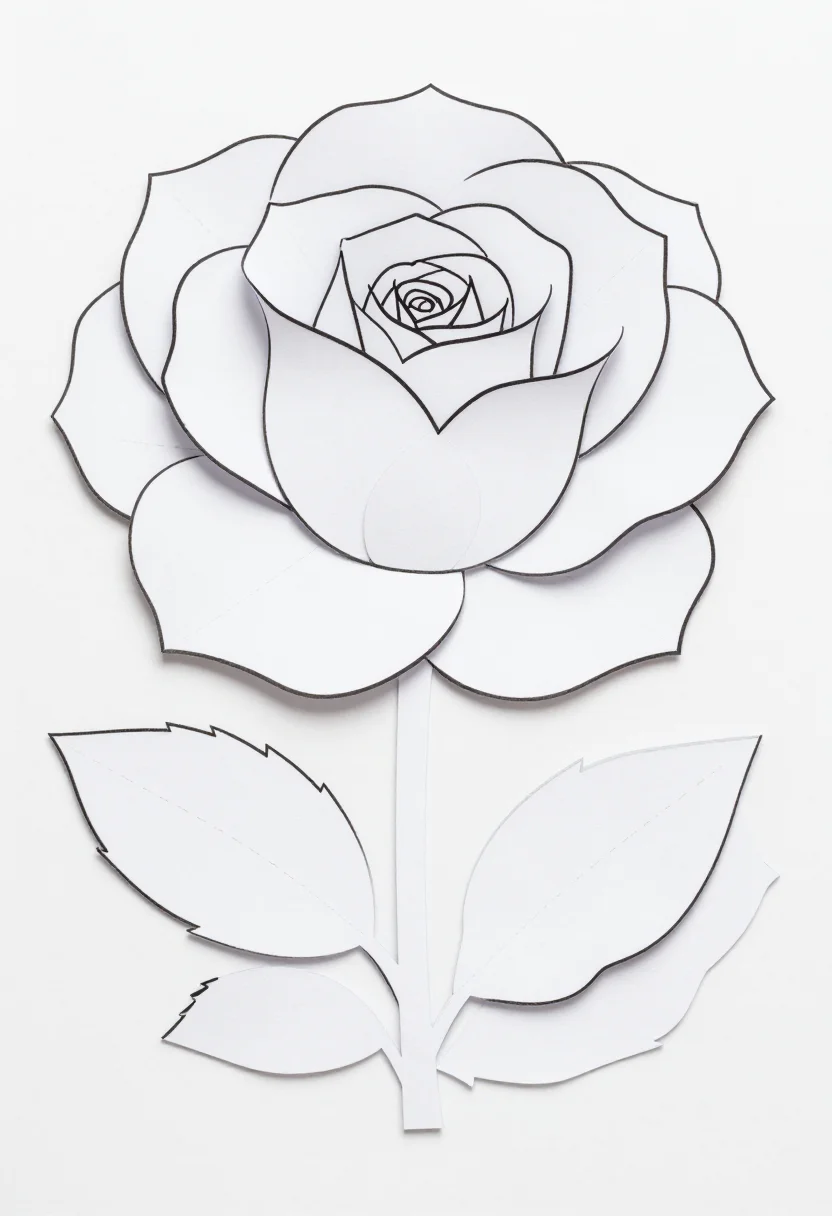
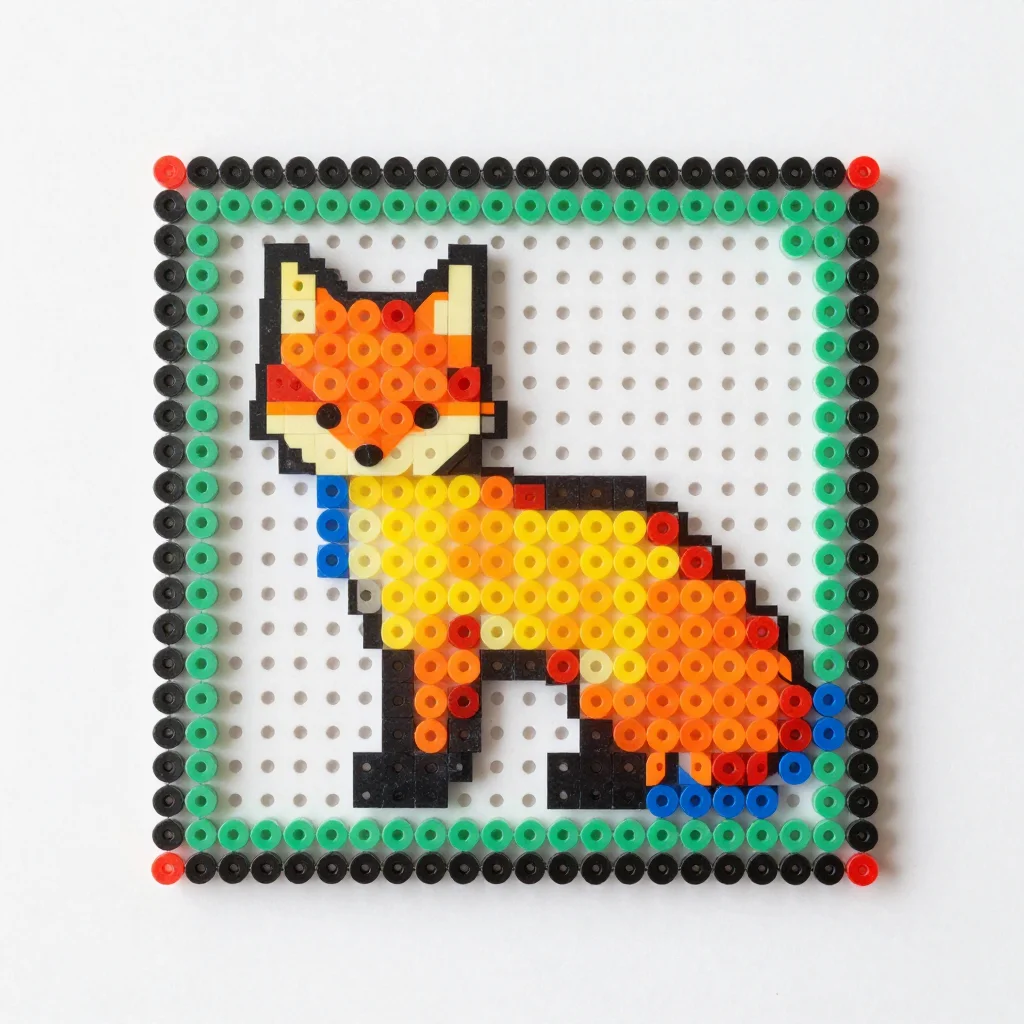
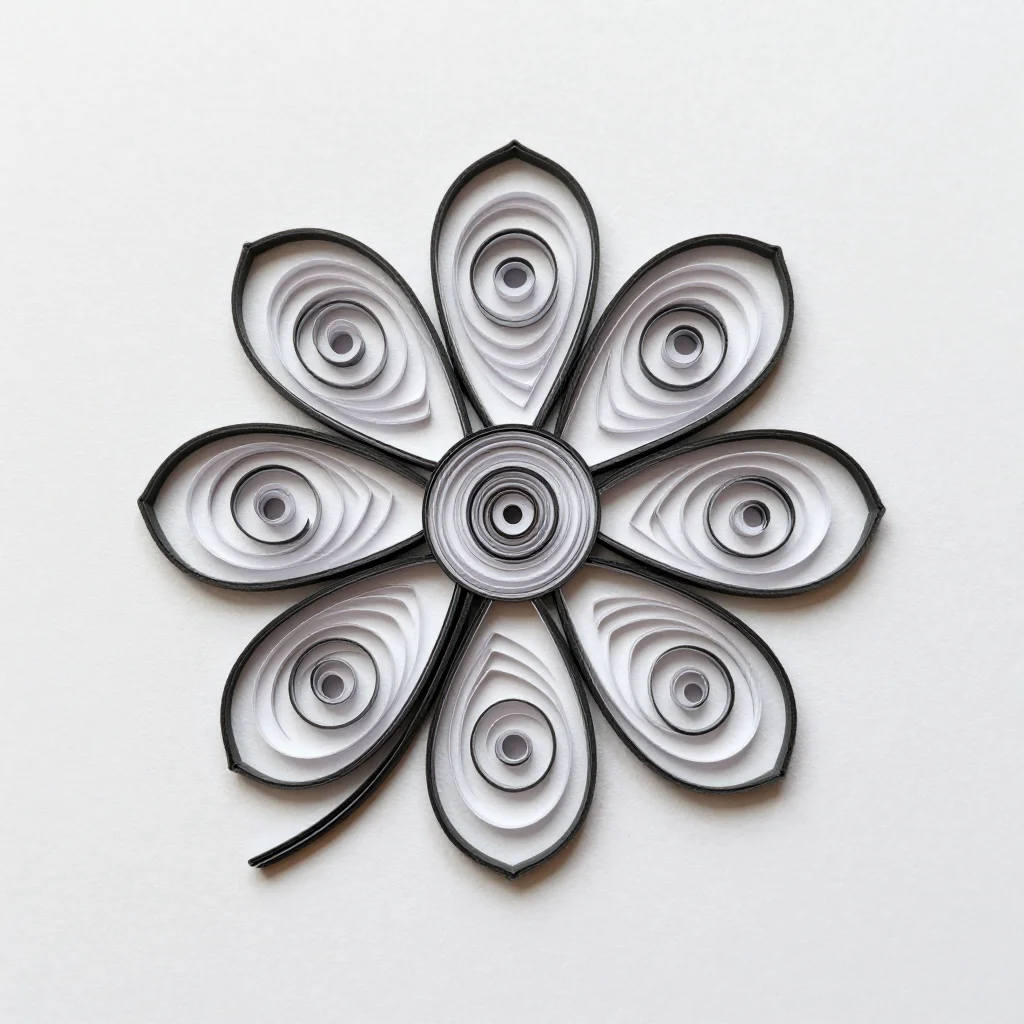
every sample — three subjects, three styles ↓
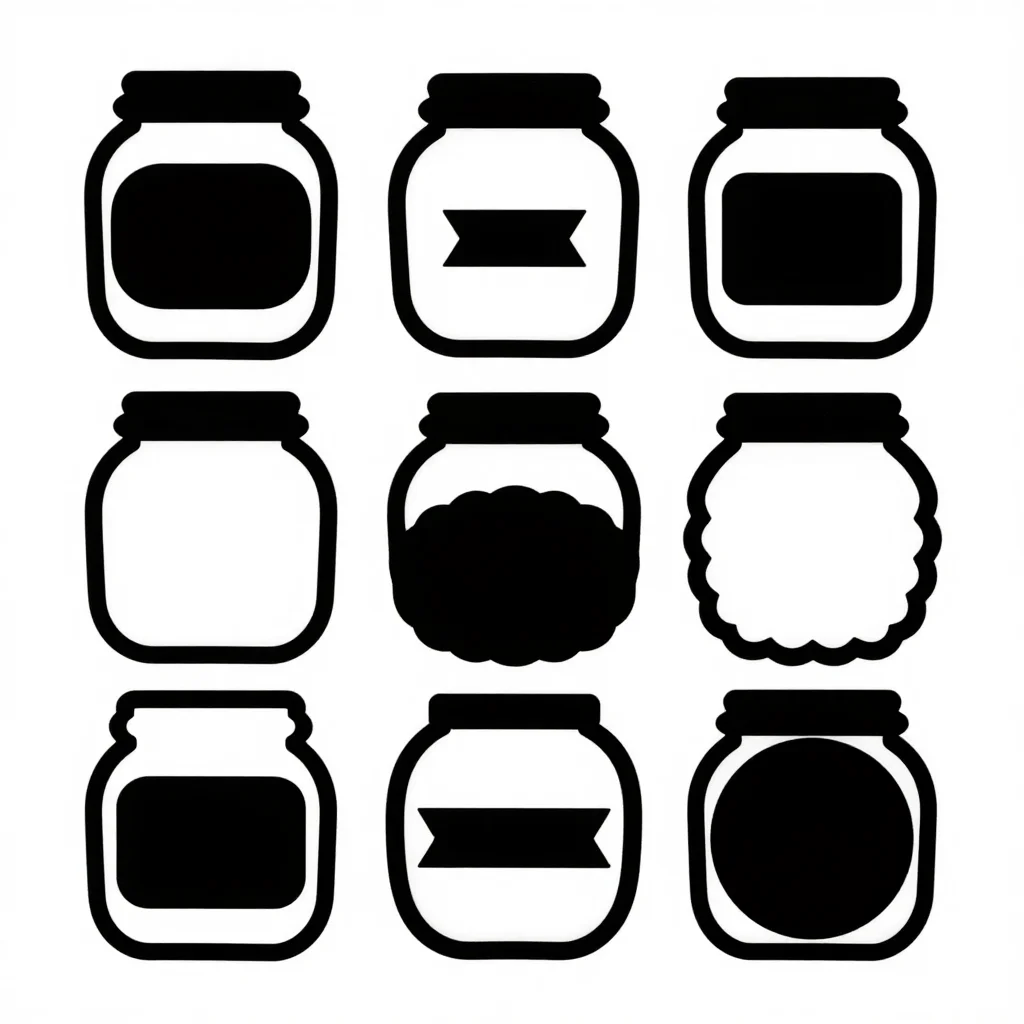
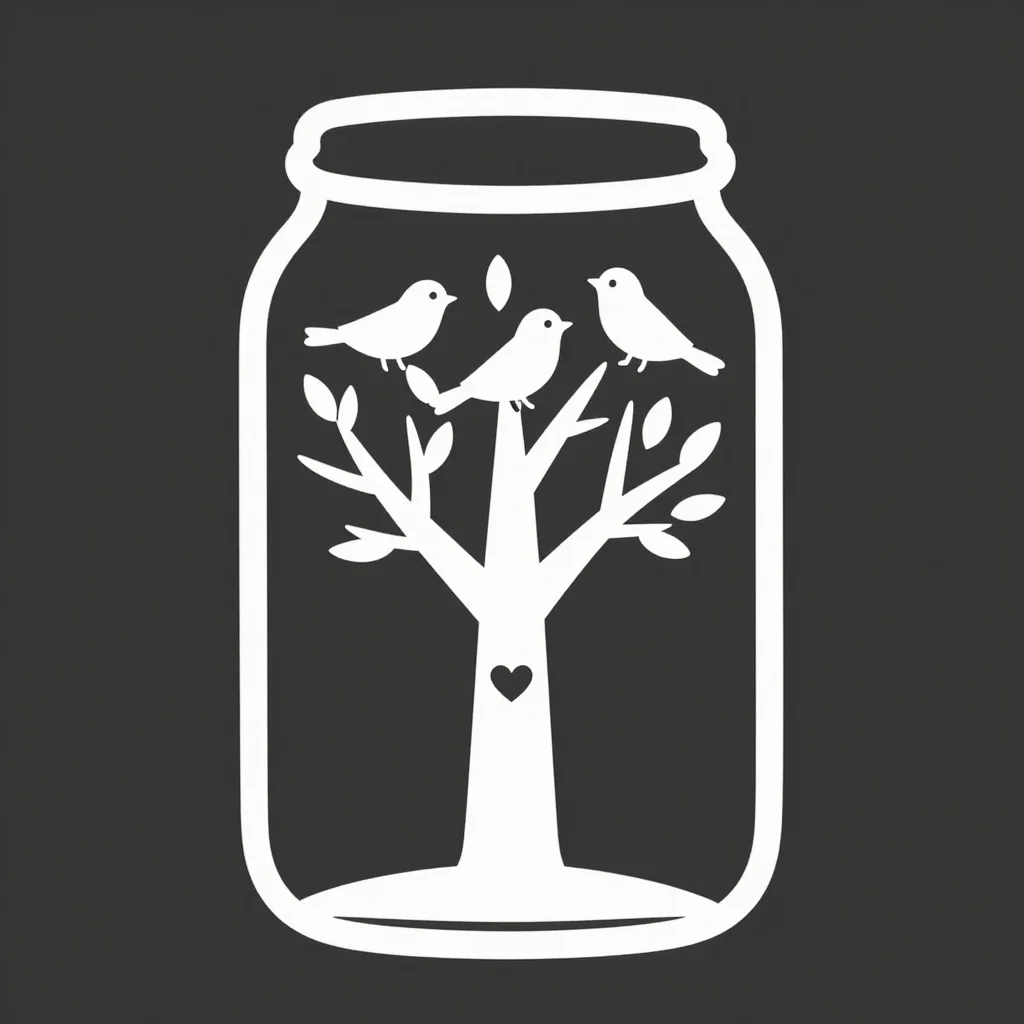
A decal is a shape cut from vinyl, nothing more — no gradient, no shading the blade can't follow. These nine cut a pantry-jar label set with blank name shapes, a mountain-range car decal, and a wall decal of a tree with birds, each in single-colour, two-colour and mirrored versions. Weed, transfer, apply — or type a different subject and the set cuts again.
- pantry jar labels
- a car window decal
- a nursery or living-room wall decal
- a laptop or water bottle sticker
- a custom name decal for a gift
Frequently asked questions
- What's the difference between the single-colour and two-colour versions?
- Single-colour cuts as one layer of vinyl. Two-colour separates the design into two weedable layers you stack and align — more contrast, more application steps.
- Why is one version mirrored?
- Mirrored is for cutting on the reverse side of clear or frosted vinyl, or for heat-transfer style application where the design needs to read correctly once flipped and applied.
- What size do these cut at?
- Drawn at a size that scales cleanly from a laptop sticker up to a full wall decal — resize in your cutting software before sending to the blade.
- Can I get a different subject in the same three treatments?
- Yes — type a new subject and the set is drawn again as single-colour, two-colour and mirrored.
About toile
This page is a showcase and a starting point: nine samples already rendered, three readings of the pack crossed with three styles, each shown at the size and ratio it was made for. Take any of them further on the wall with a few words, or ask for all nine again under your own direction; a sign-in keeps what you make, and it is free while Toile is new. The recipe behind each sample — the subject, the style, the palette, the framing — travels with the image rather than staying private to the render: it is in the alt text of every sample and in the page's own structured data, so a search engine reads the same handles a person would.