/paper-squishy-templates · craft
Paper squishy template: cute food, cute animals, colour-in
Make your ownPaper squishy templates
Describe yours. We'll remake the whole pack your way.
More like this
the whole catalog →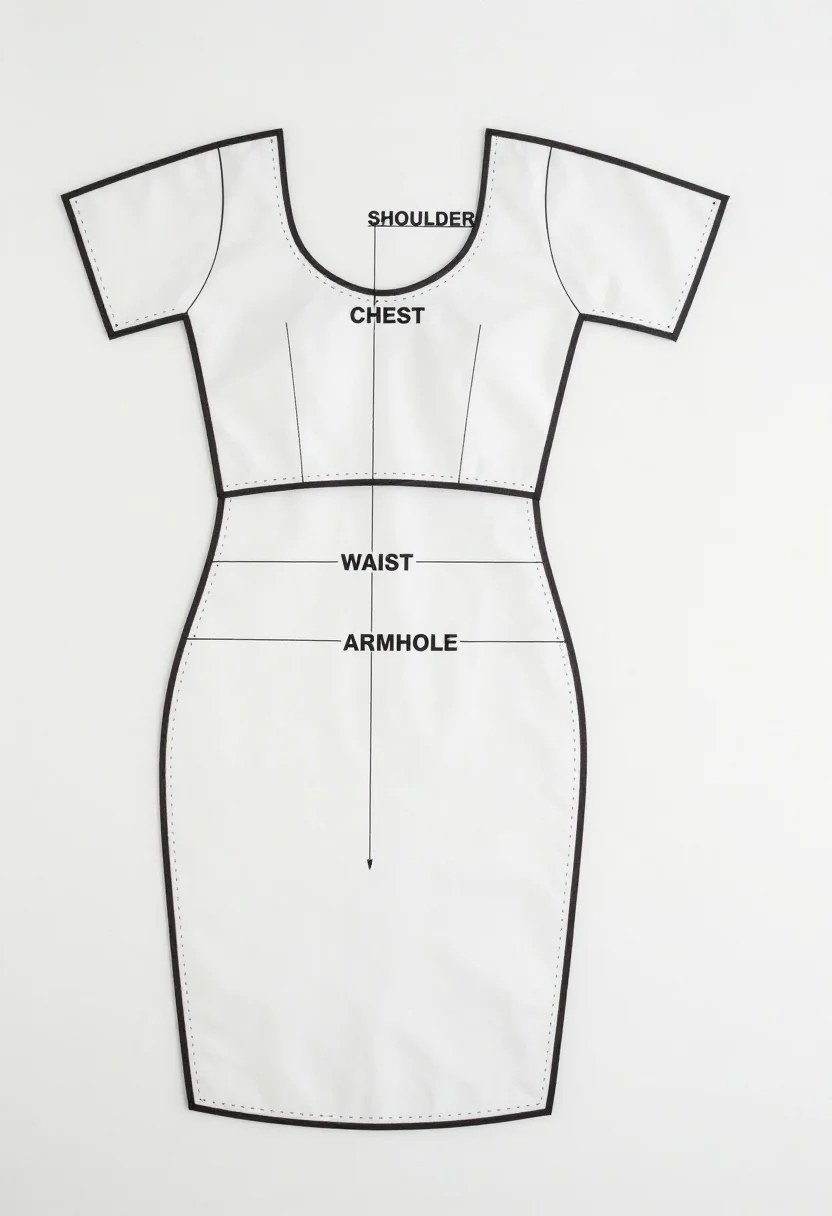
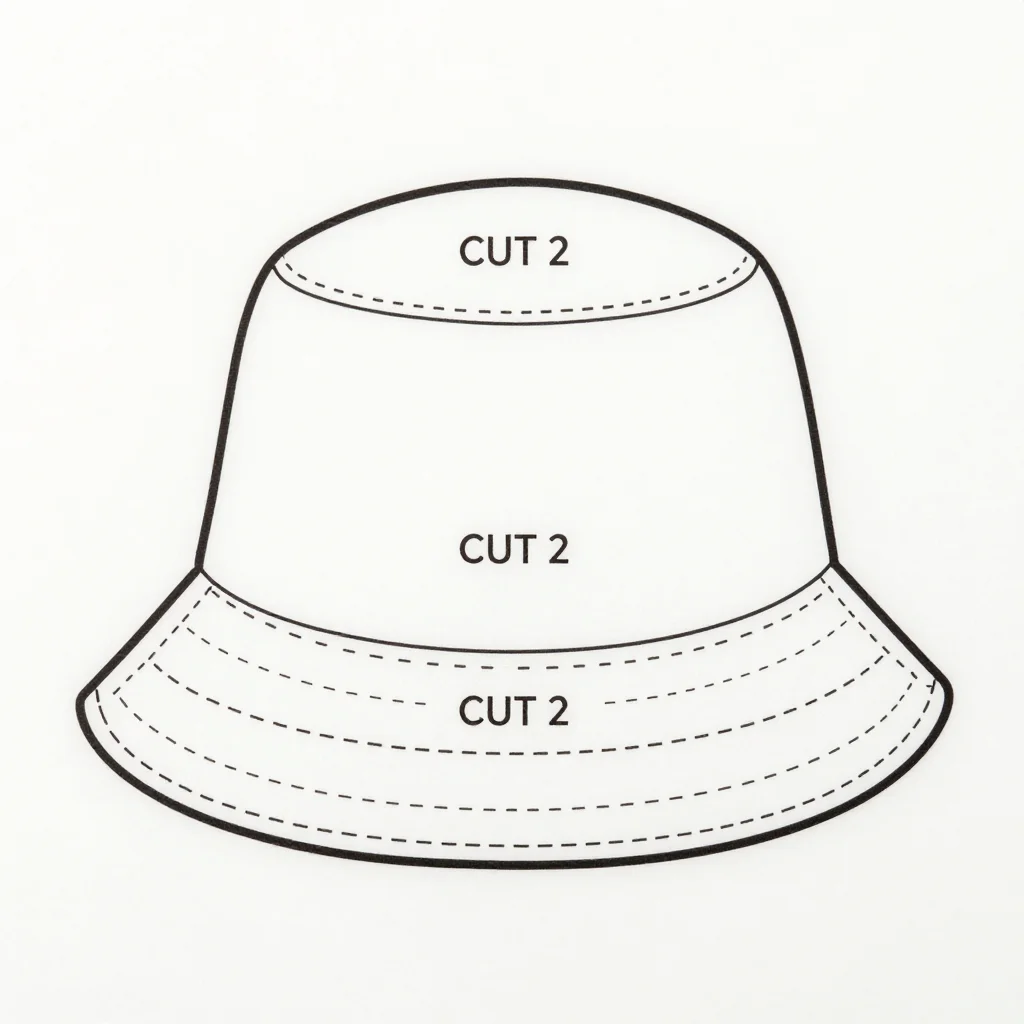
every sample — three subjects, three styles ↓
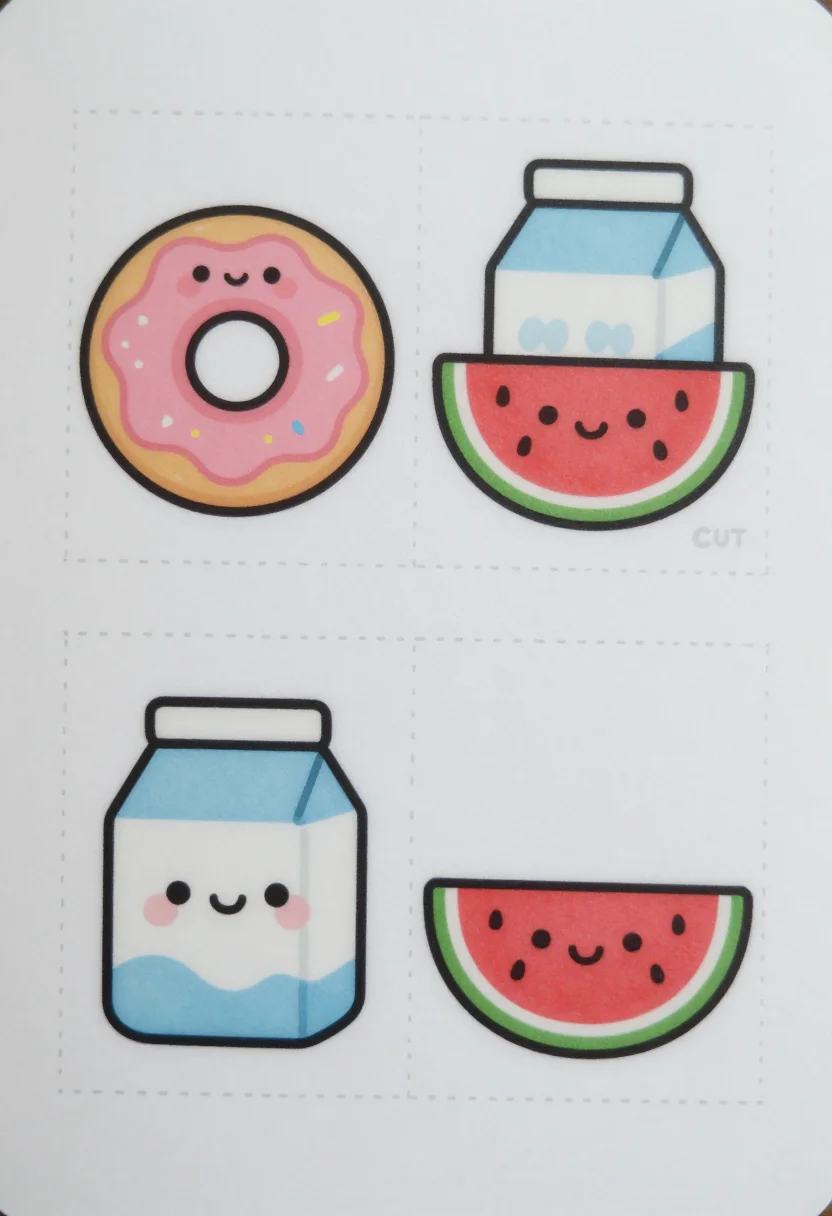
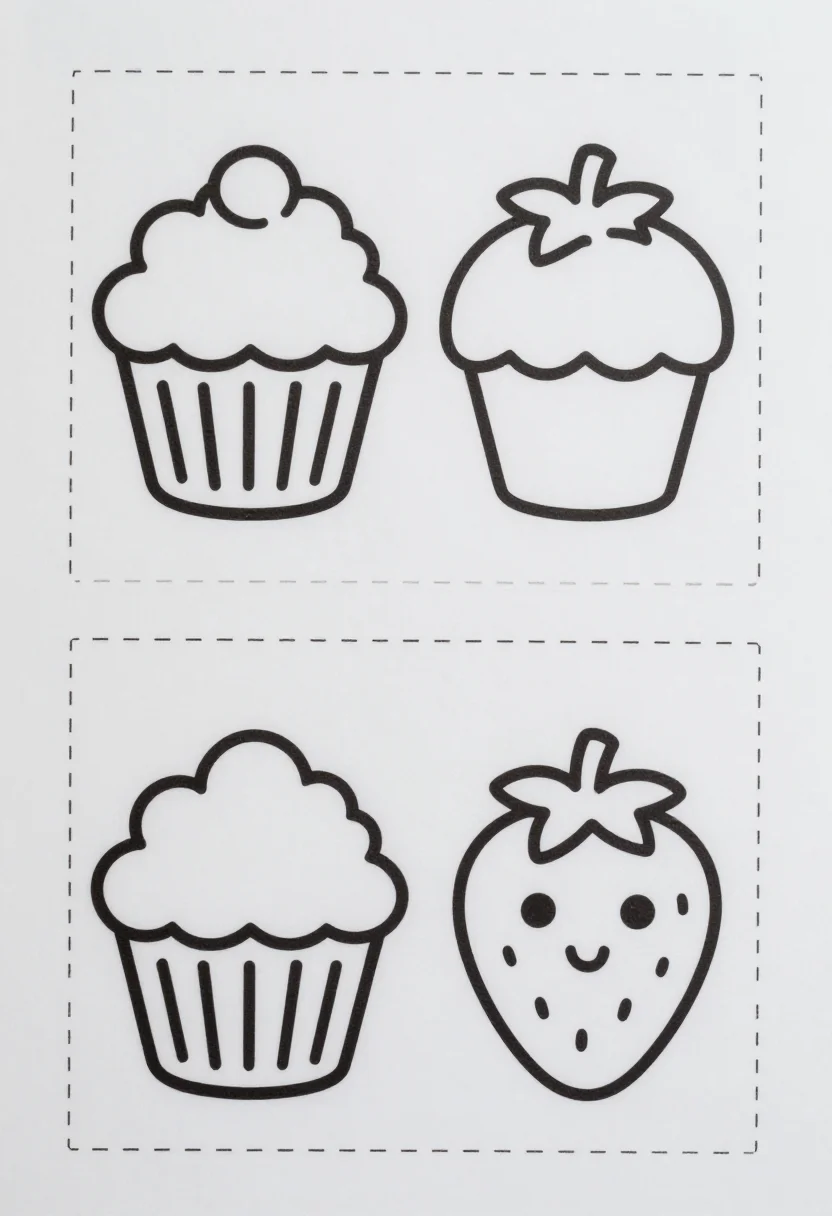
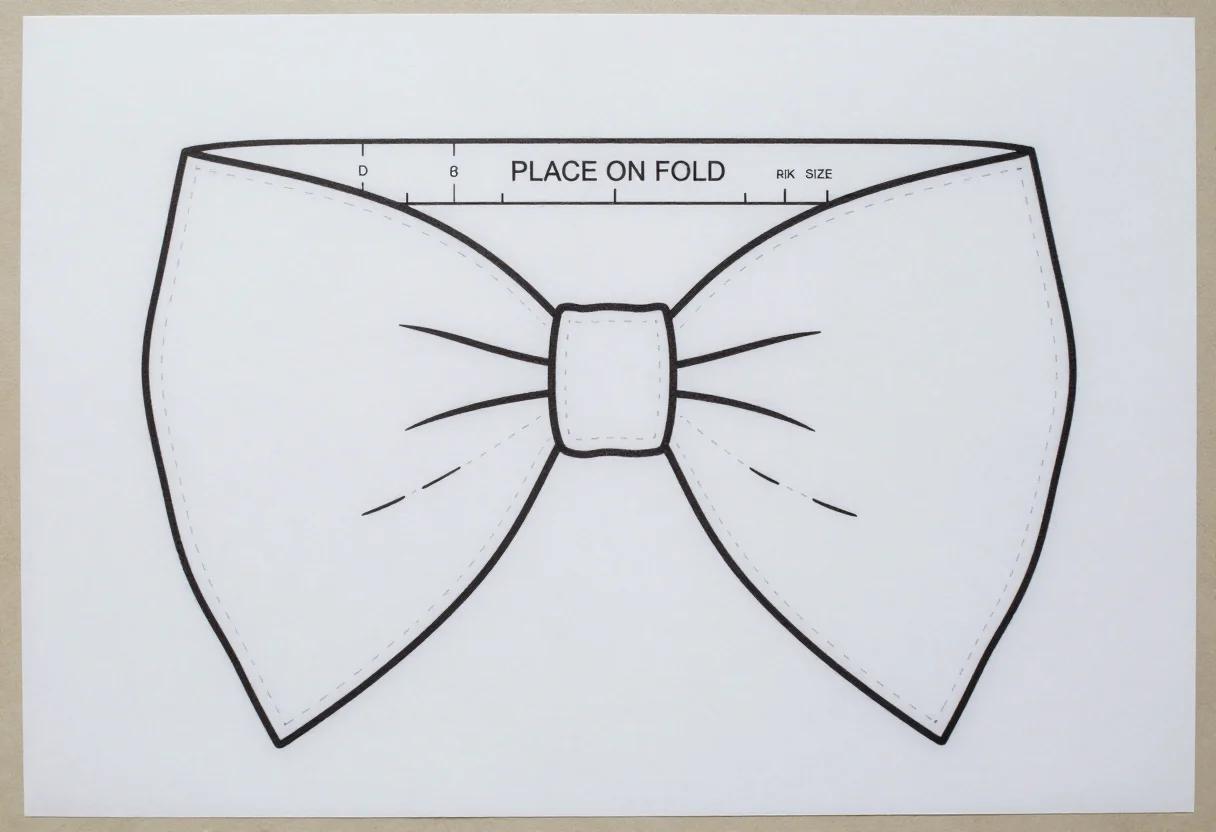
Printable paper squishy sheets for children to cut out, colour, tape together and stuff with scrap paper or cotton. The nine pictures cover three themes: cute food, cute animals and colour-in outlines, each in kawaii pastel, bold marker or fine line. Every design is drawn twice, as front and back, inside a dashed cutting margin. Type a different subject, such as dinosaurs or a mermaid, and the same front-and-back layout carries it.
- a classroom craft session
- a rainy-day activity at home
- a library or after-school craft table
- a colouring station at a party
Frequently asked questions
- How do I make a paper squishy from one of these sheets?
- Colour the front and back, cut along the dashed margin, tape the two halves together, then stuff the inside with scrap paper or cotton until it feels soft.
- Can I print these at home?
- Yes. Each sheet is a plain white page with its cutting margin marked, so an ordinary home printer can print it.
- What is the difference between the three styles?
- Kawaii pastel uses soft flat fills and round faces, bold marker uses thick dark outlines with bright fills, and fine line is a single thin black stroke with no shading or fills.
- Can I ask for a different subject?
- Yes. The direction field takes any subject, such as dinosaurs or a mermaid, but the result is a request and not a promised picture.
About toile
This page is a showcase and a starting point: nine samples already rendered, three readings of the pack crossed with three styles, each shown at the size and ratio it was made for. Take any of them further on the wall with a few words, or ask for all nine again under your own direction; a sign-in keeps what you make, and it is free while Toile is new. The recipe behind each sample — the subject, the style, the palette, the framing — travels with the image rather than staying private to the render: it is in the alt text of every sample and in the page's own structured data, so a search engine reads the same handles a person would.