/perler-patterns · cutfiles
Perler bead patterns: animal, heart and food-icon grids
Make your ownPerler bead patterns
Describe yours. We'll remake the whole pack your way.
More like this
the whole catalog →
every sample — three subjects, three styles ↓
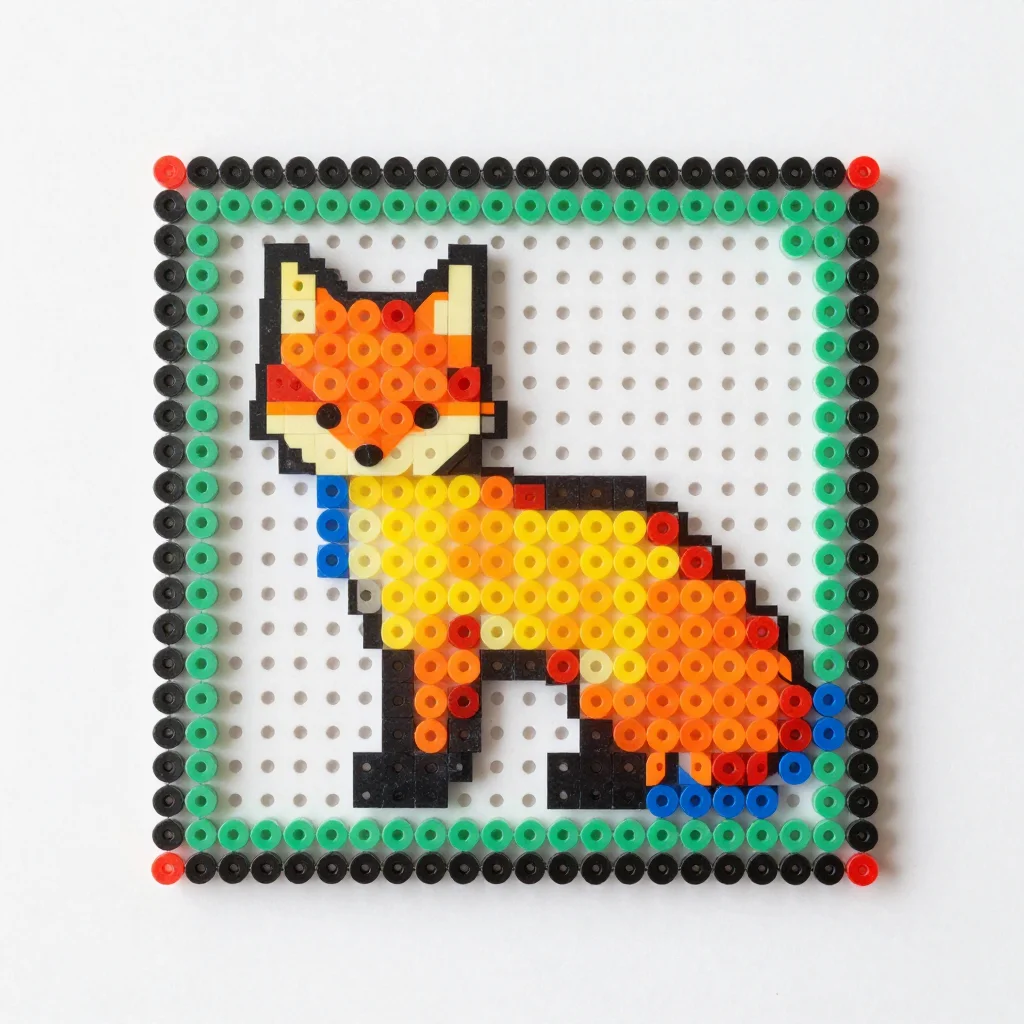
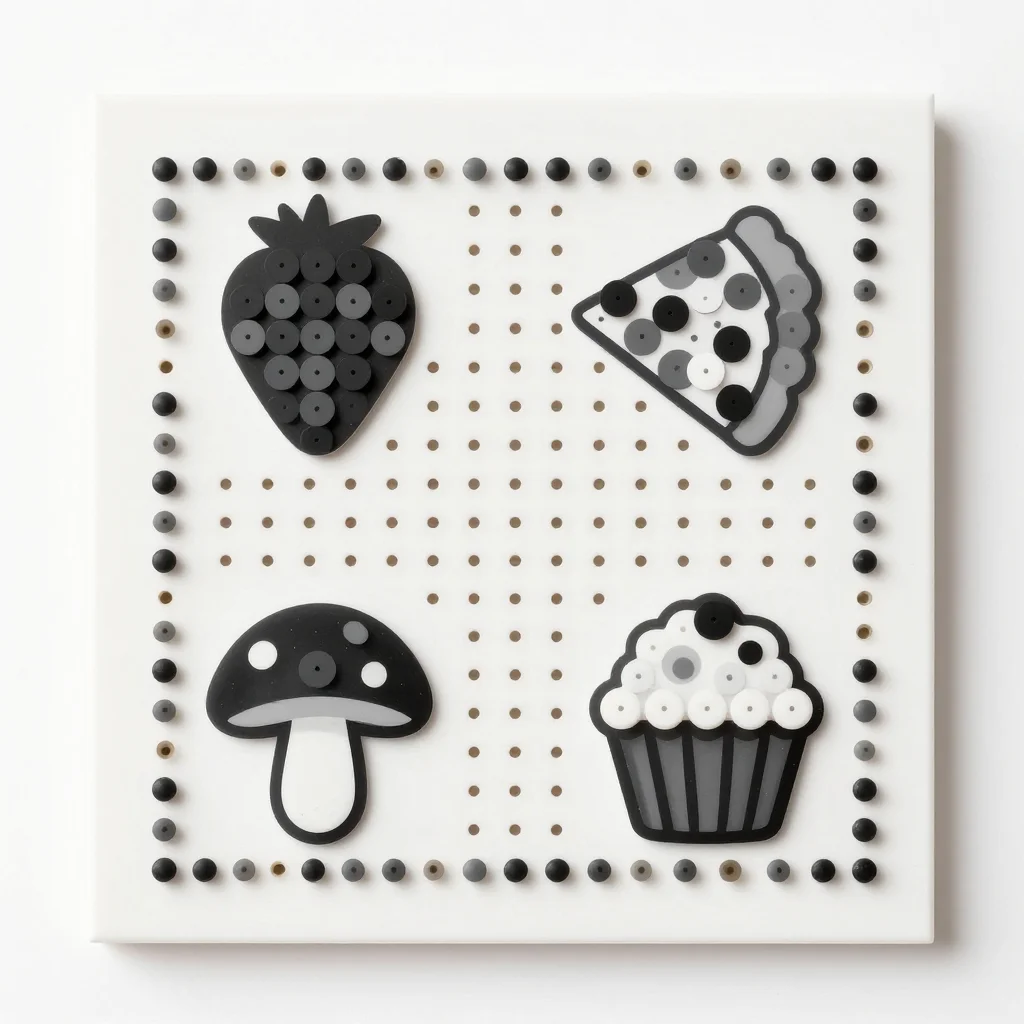
A perler pattern is the grid, not the picture — each square a bead's true colour on the pegboard. These nine chart a small animal, a bordered heart, and a set of tiny food icons, each in bright, pastel and monochrome palettes. Read the grid bead by bead, or type a different subject and it charts again.
- a first perler project for a kid
- a keychain or magnet design
- a coaster set
- a gift topper
- a classroom craft activity
Frequently asked questions
- Is this a picture of the finished beads or a pattern to follow?
- A pattern: a grid where each square is one bead's colour, the way perler patterns actually work — not a photo of finished beadwork.
- What pegboard size does this fit?
- Sized for a standard small square pegboard. Count the grid squares against your board before starting to confirm the fit.
- Can I get the same shape in different colours?
- Yes — the three palettes cover bright, pastel and monochrome, and typing a different subject charts a whole new set.
About toile
This page is a showcase and a starting point: nine samples already rendered, three readings of the pack crossed with three styles, each shown at the size and ratio it was made for. Take any of them further on the wall with a few words, or ask for all nine again under your own direction; a sign-in keeps what you make, and it is free while Toile is new. The recipe behind each sample — the subject, the style, the palette, the framing — travels with the image rather than staying private to the render: it is in the alt text of every sample and in the page's own structured data, so a search engine reads the same handles a person would.