/pinstripes · pattern
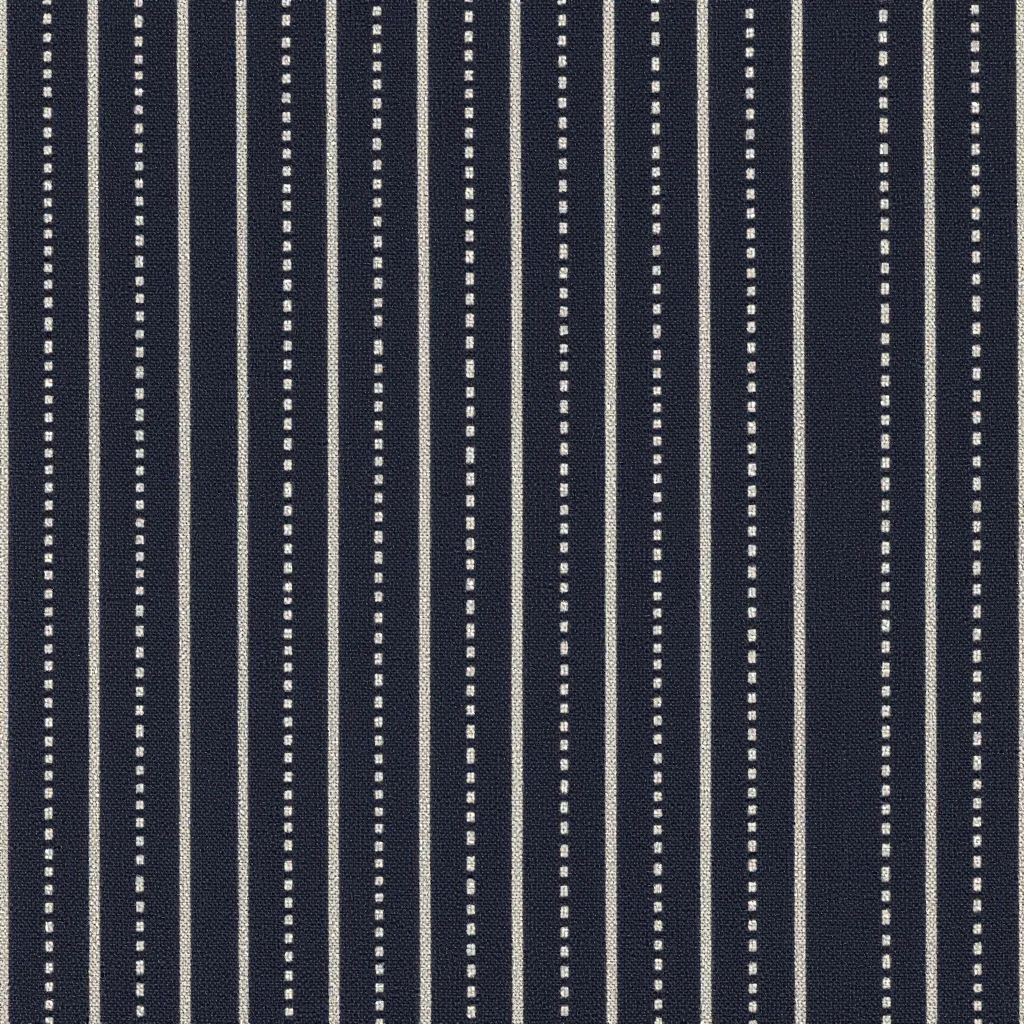
Pinstripe design: hairline, chalk, wide-spaced stripe
Make your ownPinstripes
Describe yours. We'll remake the whole pack your way.
More like this
the whole catalog →
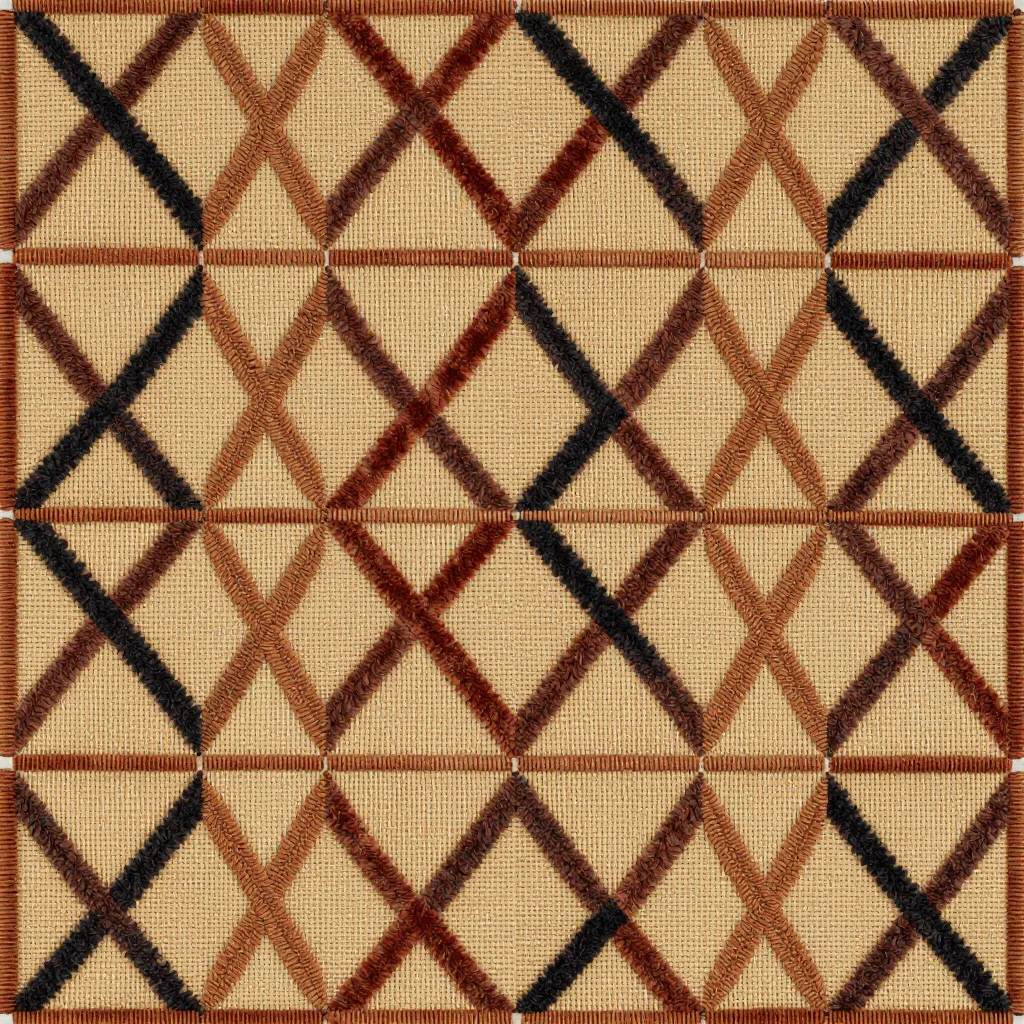
every sample — three subjects, three styles ↓
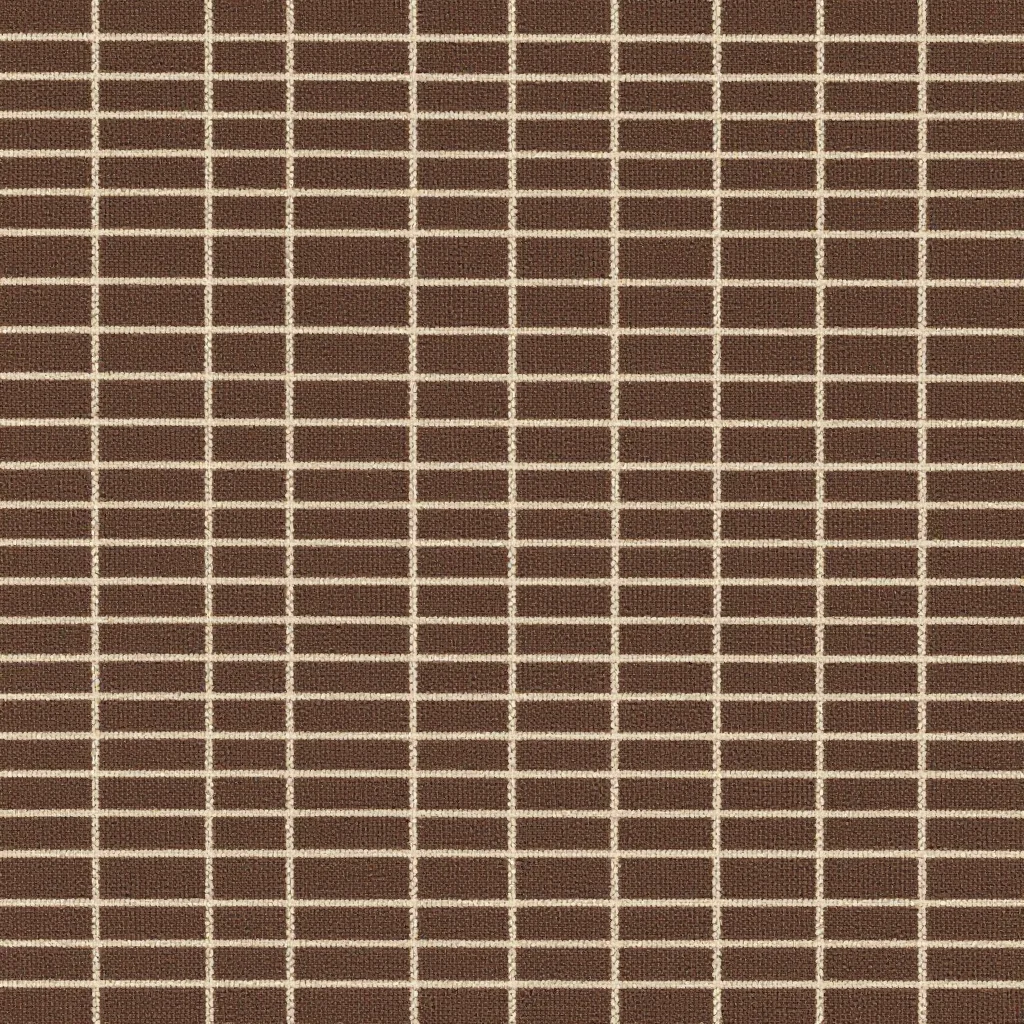
A pinstripe is the tailoring stripe: a hairline of light on a dark ground, spaced a finger apart, so a suit reads plain from three metres and striped from one — the ground is the pattern, the line is almost nothing. These nine render hairline, chalk and wide-spaced pinstripe across three colourways. Ask for a tighter or looser spacing, and the same three colourways carry it.
- a suiting fabric print
- a stationery or notebook cover print
- a phone wallpaper
- a wallpaper repeat sample
- a fabric swatch for tailoring reference
Frequently asked questions
- What size and format do these print at?
- Each pattern is a seamless square tile at even resolution, so it repeats cleanly on suiting fabric or a wallpaper roll.
- Can I get a tighter or looser line spacing?
- Yes — the direction field takes any spacing description, and the same three colourways render it.
- What's the difference between the three spacings?
- Hairline keeps the lines finest and closest together, chalk widens and softens the line for a chalk-stripe look, and wide-spaced pulls the lines further apart so more ground shows between them.
- Is this a real tailoring pattern or a plain stripe?
- Pinstripe and chalk stripe are real, distinct tailoring patterns defined by how fine the line is against the ground — this set keeps that hairline-on-dark-ground logic rather than an even plain stripe.
About toile
This page is a showcase and a starting point: nine samples already rendered, three readings of the pack crossed with three styles, each shown at the size and ratio it was made for. Take any of them further on the wall with a few words, or ask for all nine again under your own direction; a sign-in keeps what you make, and it is free while Toile is new. The recipe behind each sample — the subject, the style, the palette, the framing — travels with the image rather than staying private to the render: it is in the alt text of every sample and in the page's own structured data, so a search engine reads the same handles a person would.