/play-post-office · classroom
Pretend post office printables: postage stamps, envelope, parcel form
Make your ownPlay post office
Describe yours. We'll remake the whole pack your way.
More like this
the whole catalog →
every sample — three subjects, three styles ↓
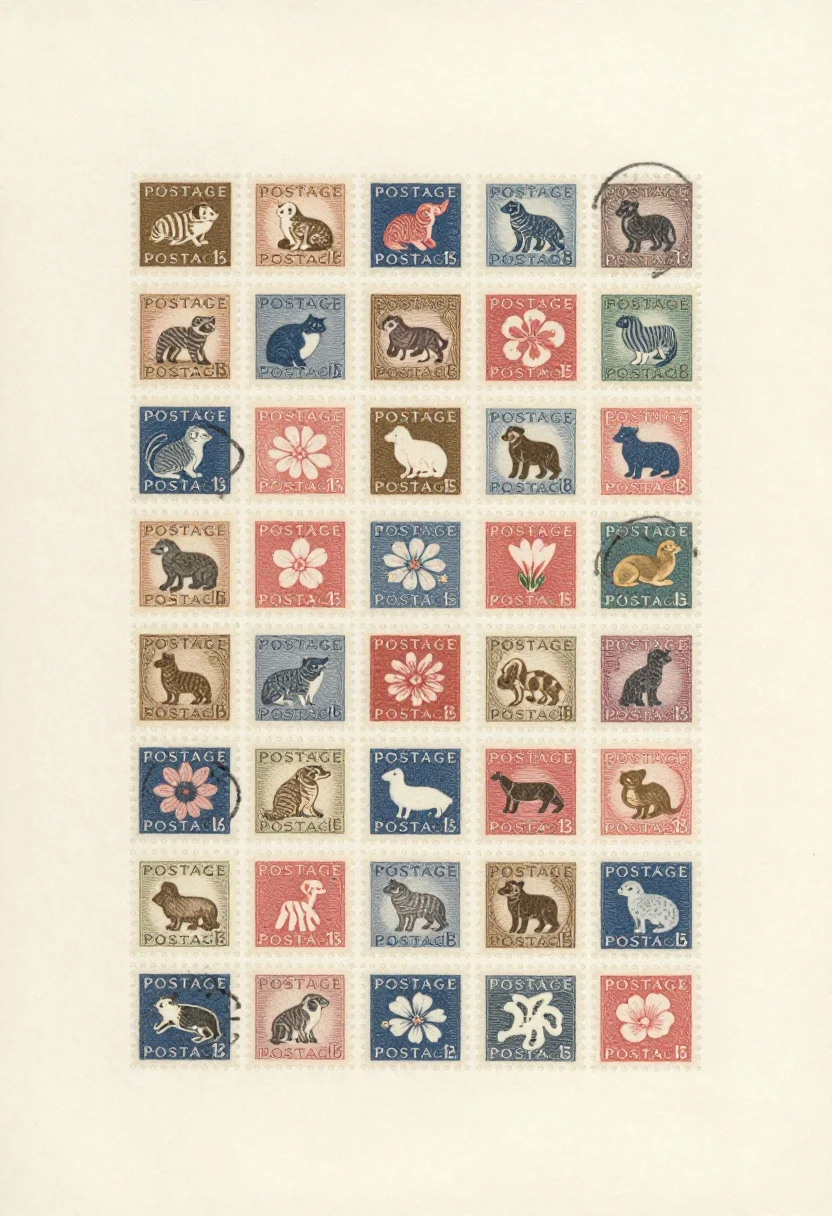
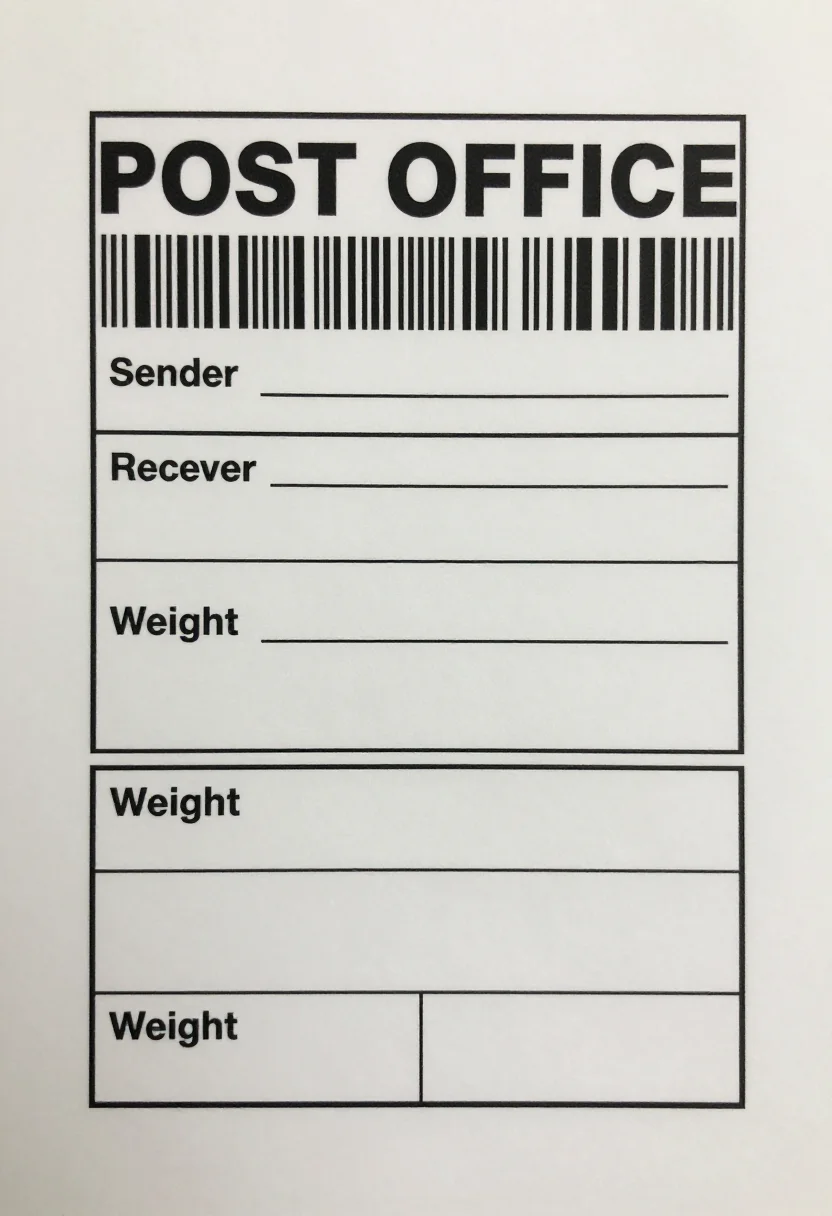
Children write letters, stamp them and deliver them in a pretend post office. The printable pieces are a sheet of postage stamps, an envelope template and a parcel form. The nine pictures show stamps with animals and flowers, a dashed envelope with a stamp box, and a parcel form with a barcode strip, in sepia-and-navy vintage, bright cartoon and plain black line. Type a different theme, such as airmail, and the pieces follow.
- a pretend post office in a preschool
- a letter-writing activity at home
- a classroom unit on addresses
- a delivery game with parcels
Frequently asked questions
- What is on the stamps?
- Each stamp is drawn with a perforated edge and shows a small animal or flower, with a value printed in the corner.
- Where does the address go on the envelope?
- The envelope template has a stamp box in the corner and blank lines for the address under TO.
- What is the difference between the three styles?
- Vintage post is sepia, navy and red on cream, with engraved stamp borders and postmark circles. Kids post is bright red, blue and yellow with rounded animals. Black and white is a simple black line print.
About toile
This page is a showcase and a starting point: nine samples already rendered, three readings of the pack crossed with three styles, each shown at the size and ratio it was made for. Take any of them further on the wall with a few words, or ask for all nine again under your own direction; a sign-in keeps what you make, and it is free while Toile is new. The recipe behind each sample — the subject, the style, the palette, the framing — travels with the image rather than staying private to the render: it is in the alt text of every sample and in the page's own structured data, so a search engine reads the same handles a person would.