/play-sushi-bar · classroom
Sushi bar pretend play: sushi menu, sushi to cut, order sheet
Make your ownSushi bar pretend play
Describe yours. We'll remake the whole pack your way.
More like this
the whole catalog →
every sample — three subjects, three styles ↓
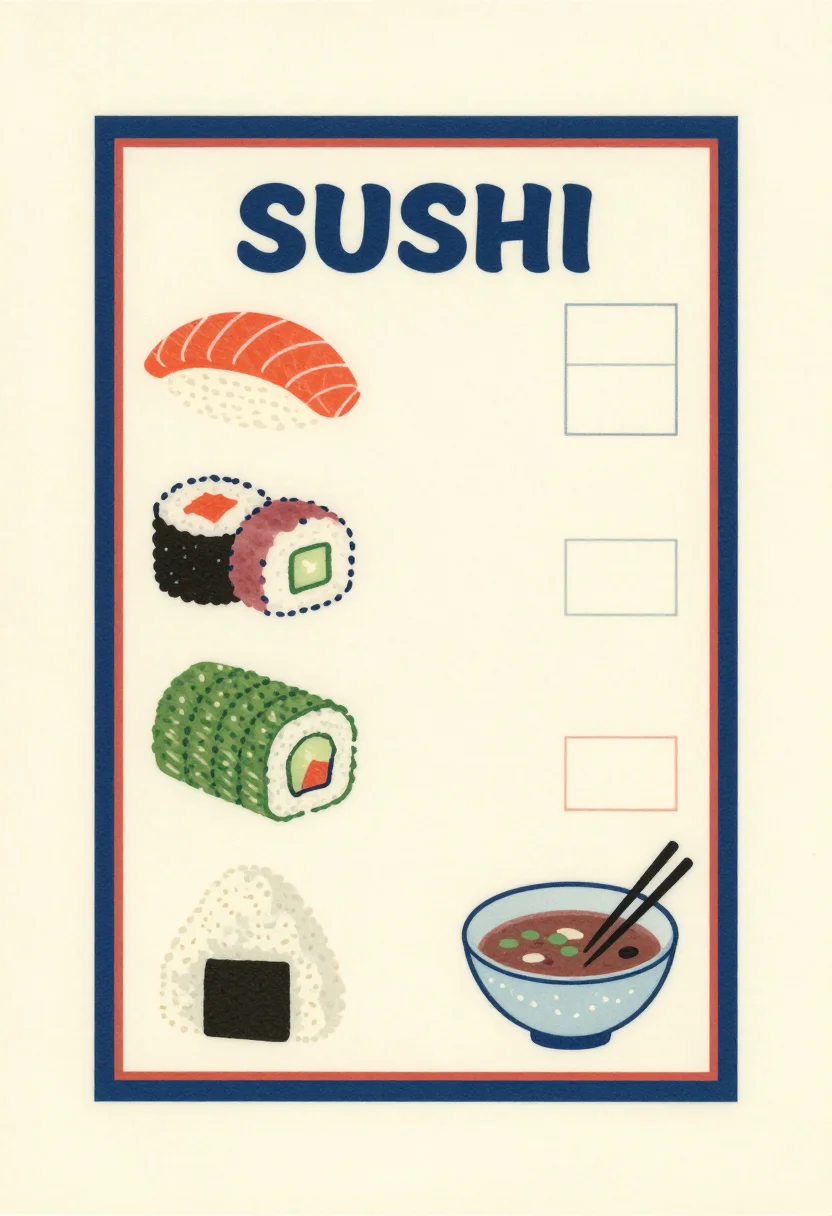
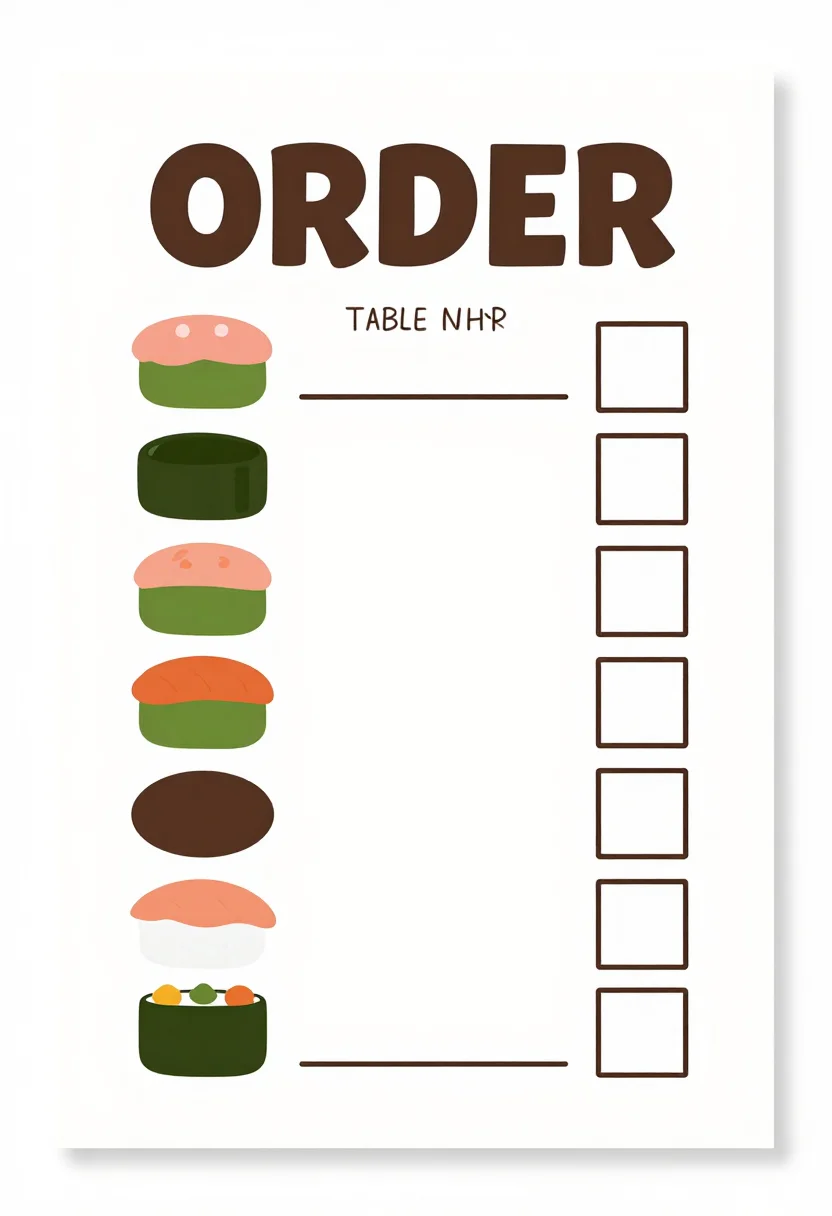
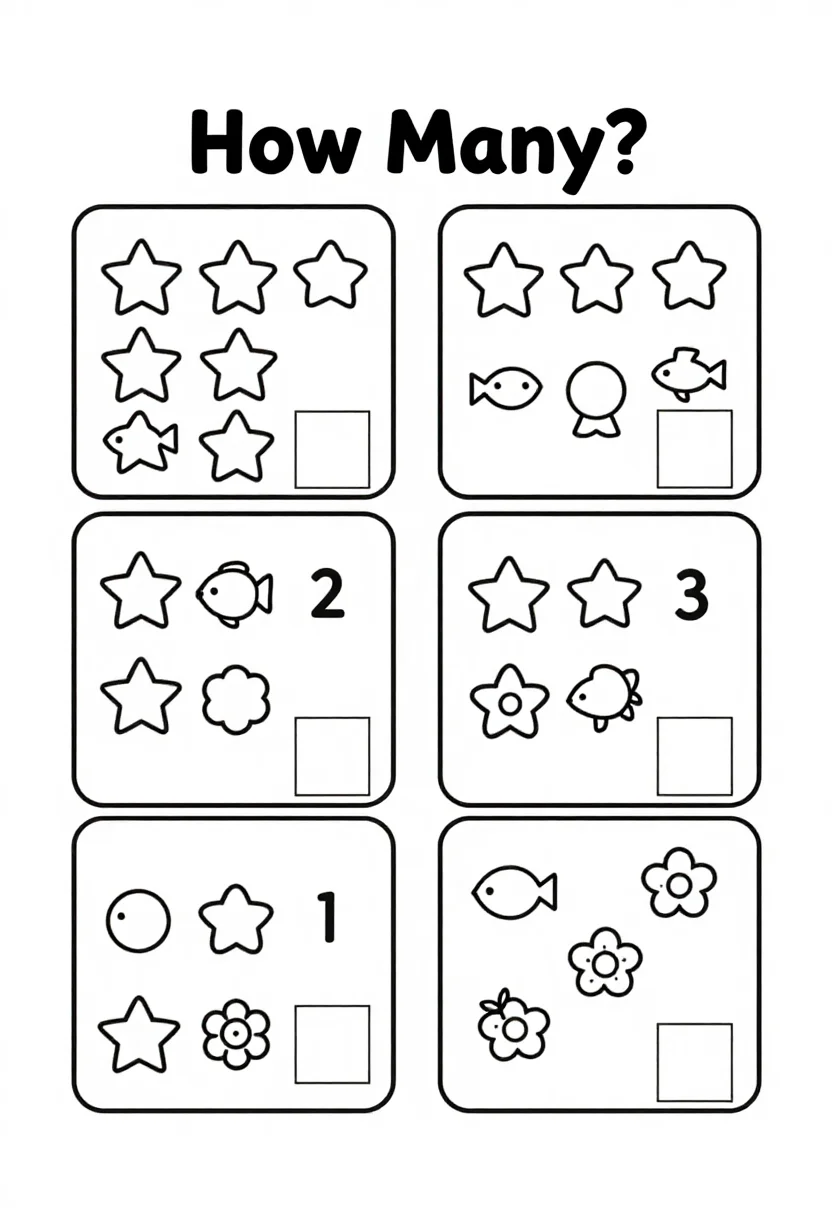
A sushi bar game for children who roll paper sushi on a mat and serve it around a pretend conveyor. A child reads the menu of salmon nigiri, tuna maki, cucumber roll, onigiri and miso soup, cuts out the pieces, and marks each order on the order sheet with a box for how many. Type a different bar, such as a ramen bar, a sushi train or a kids' bento, and the same sheets are drawn for it.
- a sushi bar in a play corner
- a pretend restaurant game for a class
- a counting and ordering task for young children
Frequently asked questions
- How do I print the sheets?
- Print each sheet at full page size on plain paper or card. Every sheet keeps a wide white margin, so it prints cleanly.
- What is the difference between the three styles?
- Woodblock is a Japanese print look with indigo, vermilion and cream. Colour-in is closed black line art with no shading. Bright is salmon pink and nori green.
- Can I change the bar?
- Yes. Type a different bar, such as a sushi train or a ramen bar, and the same sheets are drawn for it. The nine pictures on this page are fixed; a bar is a request, not a promised picture.
- Are the pieces ready to cut?
- Yes. The pieces sheet has dashed cut lines around the nigiri, maki rolls, onigiri, chopsticks and soy sauce dish.
About toile
This page is a showcase and a starting point: nine samples already rendered, three readings of the pack crossed with three styles, each shown at the size and ratio it was made for. Take any of them further on the wall with a few words, or ask for all nine again under your own direction; a sign-in keeps what you make, and it is free while Toile is new. The recipe behind each sample — the subject, the style, the palette, the framing — travels with the image rather than staying private to the render: it is in the alt text of every sample and in the page's own structured data, so a search engine reads the same handles a person would.