/pompadour-hairstyles · beauty
Pompadour hairstyles: classic, modern fade, side part
Make your ownPompadour hairstyles
Describe yours. We'll remake the whole pack your way.
More like this
the whole catalog →
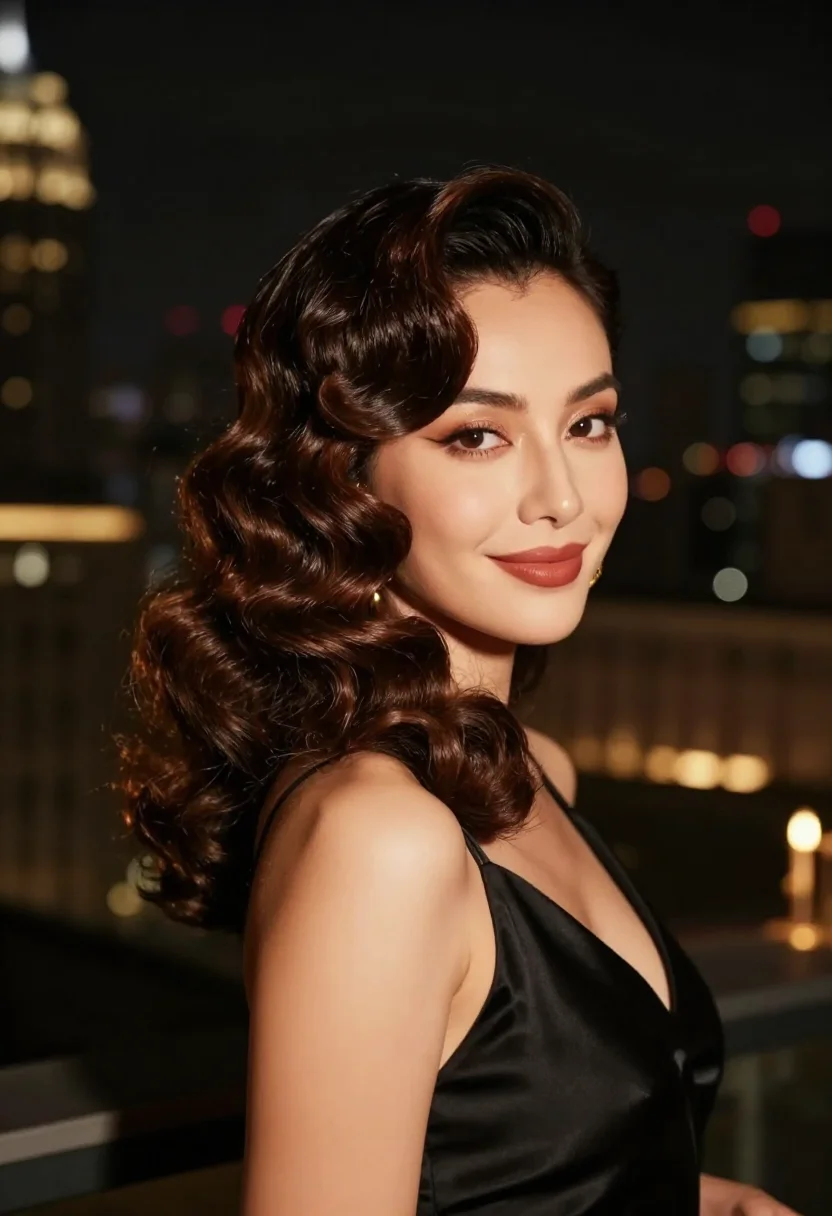
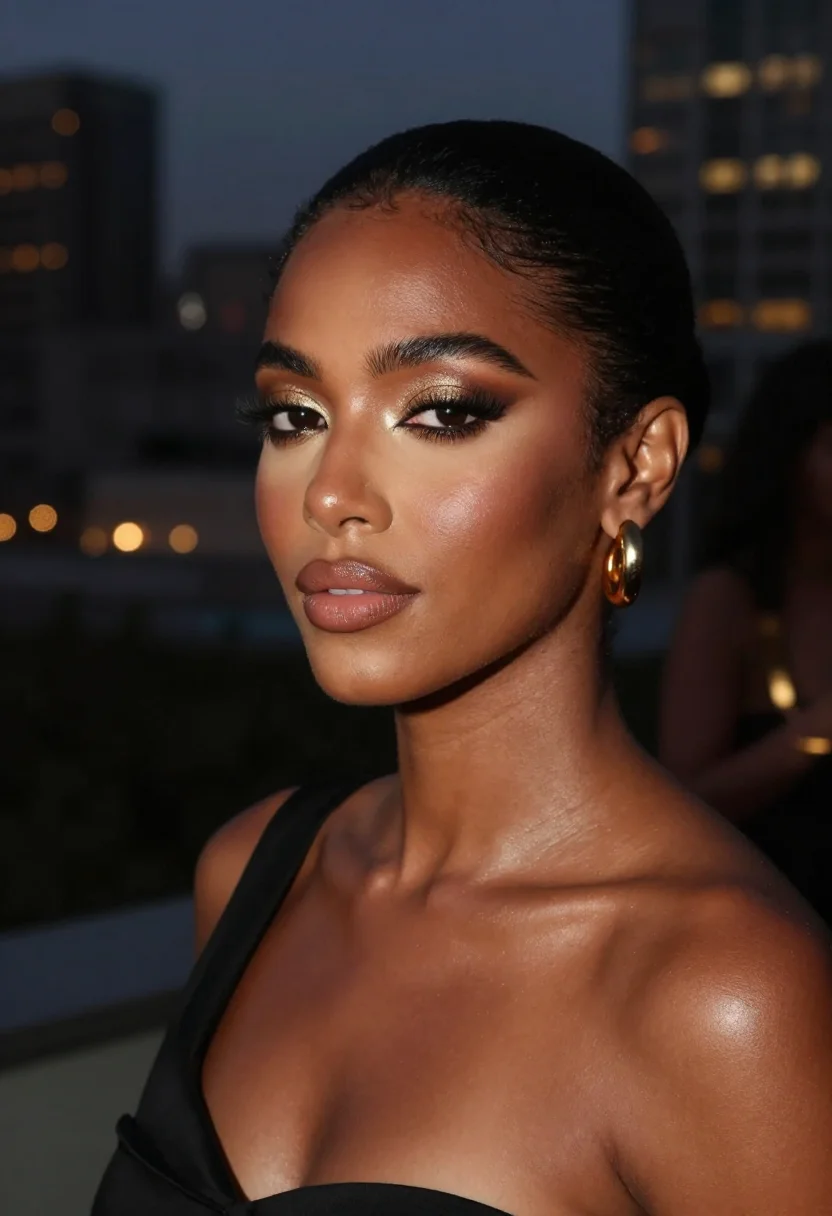
every sample — three subjects, three styles ↓
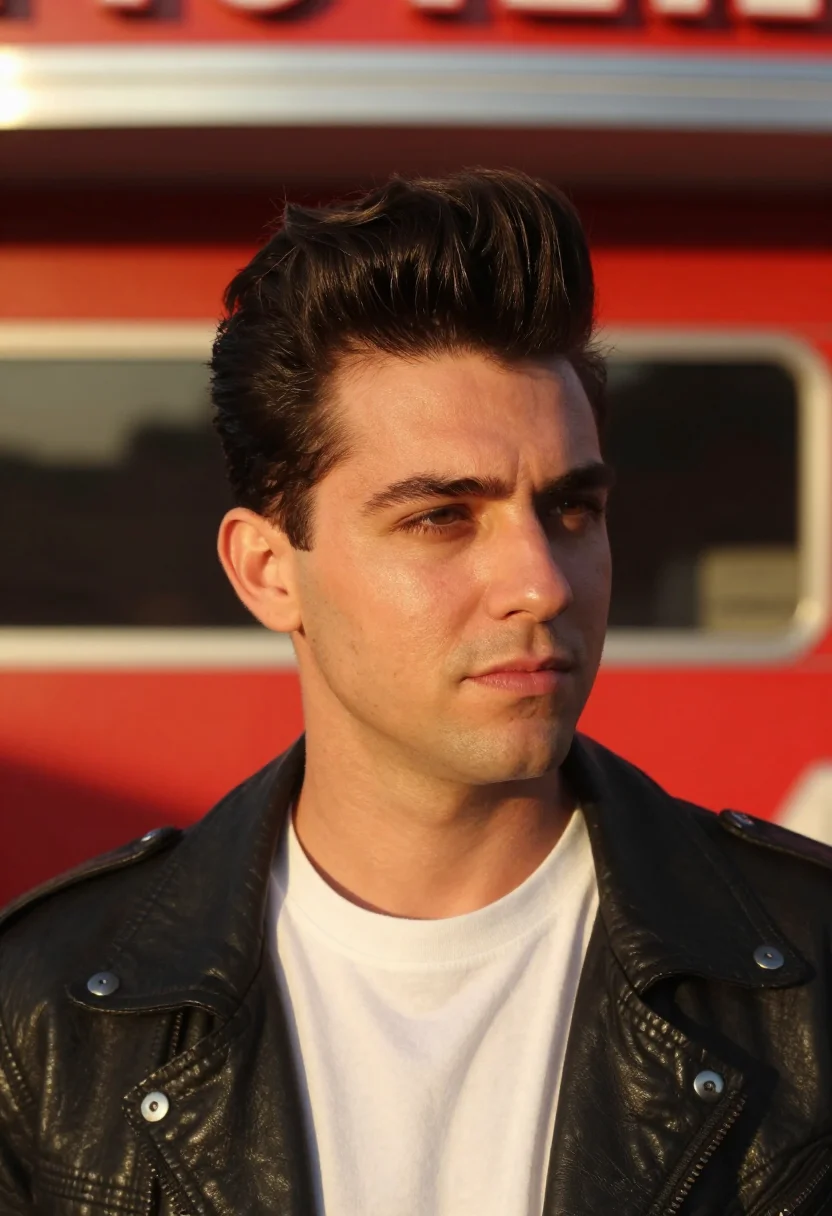
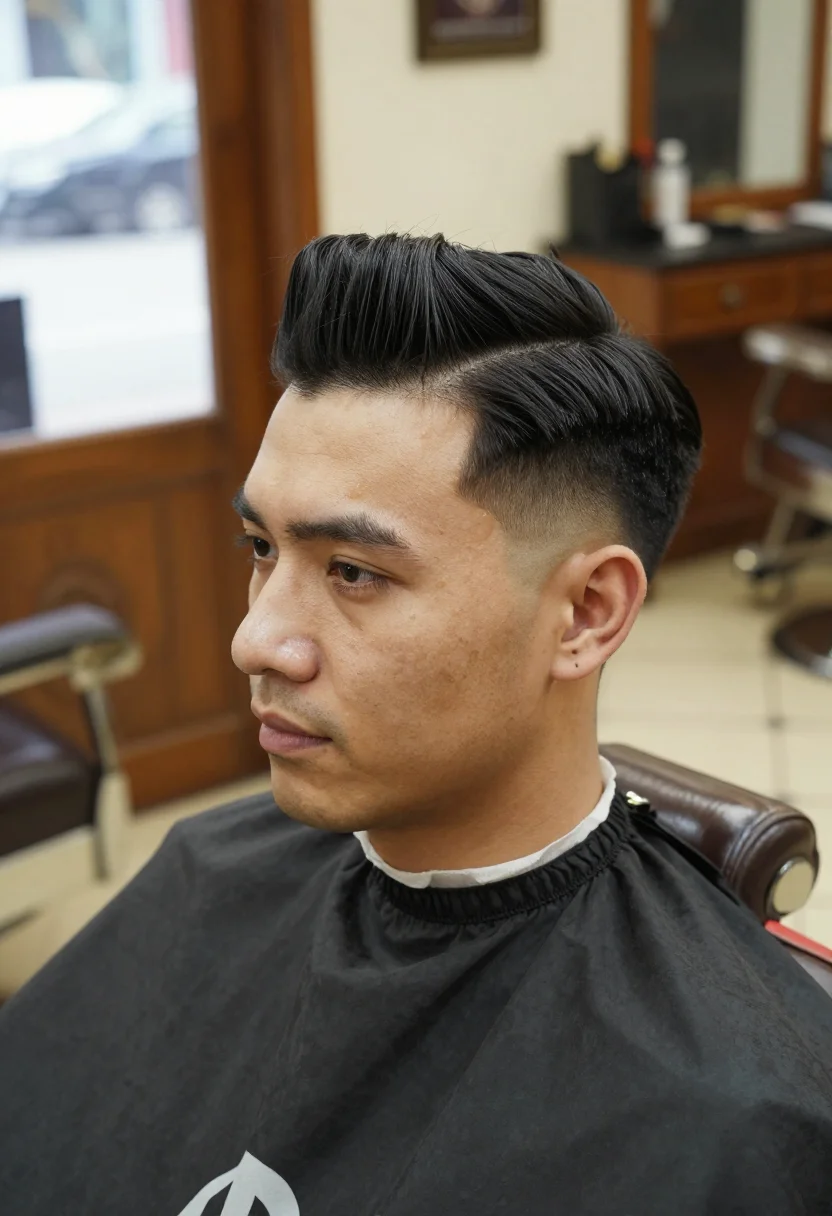
A pompadour is high volume at the front, swept back over the head. These pictures show a classic pompadour, high and glossy with medium sides, a modern version over a skin fade with a crisp line, and a side-part pompadour with a deep part and combed texture. Each is seen in a 1950s rockabilly portrait, in profile and in a barber chair. You can type a change, such as sideburns or red hair, to ask for the cut with it.
- a reference for the volume you want
- choosing a classic, faded or side-part pompadour
- a rockabilly-themed print
- a profile picture
Frequently asked questions
- What is the difference between the classic and the modern version?
- The classic is high and glossy with medium sides. The modern version sits over a skin fade with a crisp line at the sides.
- Is the pompadour only for a 1950s look?
- No. The rockabilly picture shows its 1950s roots. The profile and barber pictures show it as a cut to ask for today.
- Can I change the colour or add sideburns?
- Yes. Type the change and the picture is made with it. It is a request, so the result may differ from the sample.
About toile
This page is a showcase and a starting point: nine samples already rendered, three readings of the pack crossed with three styles, each shown at the size and ratio it was made for. Take any of them further on the wall with a few words, or ask for all nine again under your own direction; a sign-in keeps what you make, and it is free while Toile is new. The recipe behind each sample — the subject, the style, the palette, the framing — travels with the image rather than staying private to the render: it is in the alt text of every sample and in the page's own structured data, so a search engine reads the same handles a person would.