/pongal-pot-drawings · faith
Pongal pot drawings: easy pot, pot with sugarcane, harvest scene
Make your ownPongal pot drawings
Describe yours. We'll remake the whole pack your way.
More like this
the whole catalog →

every sample — three subjects, three styles ↓
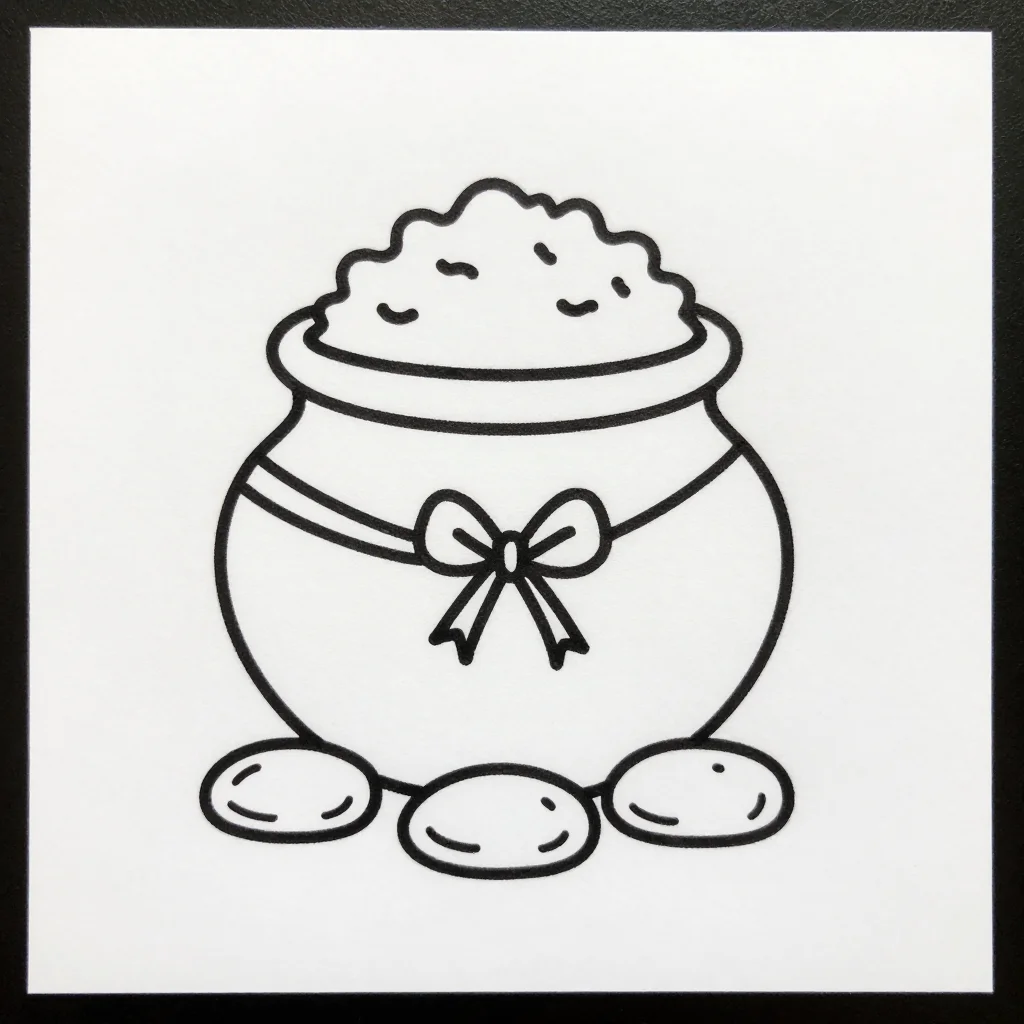
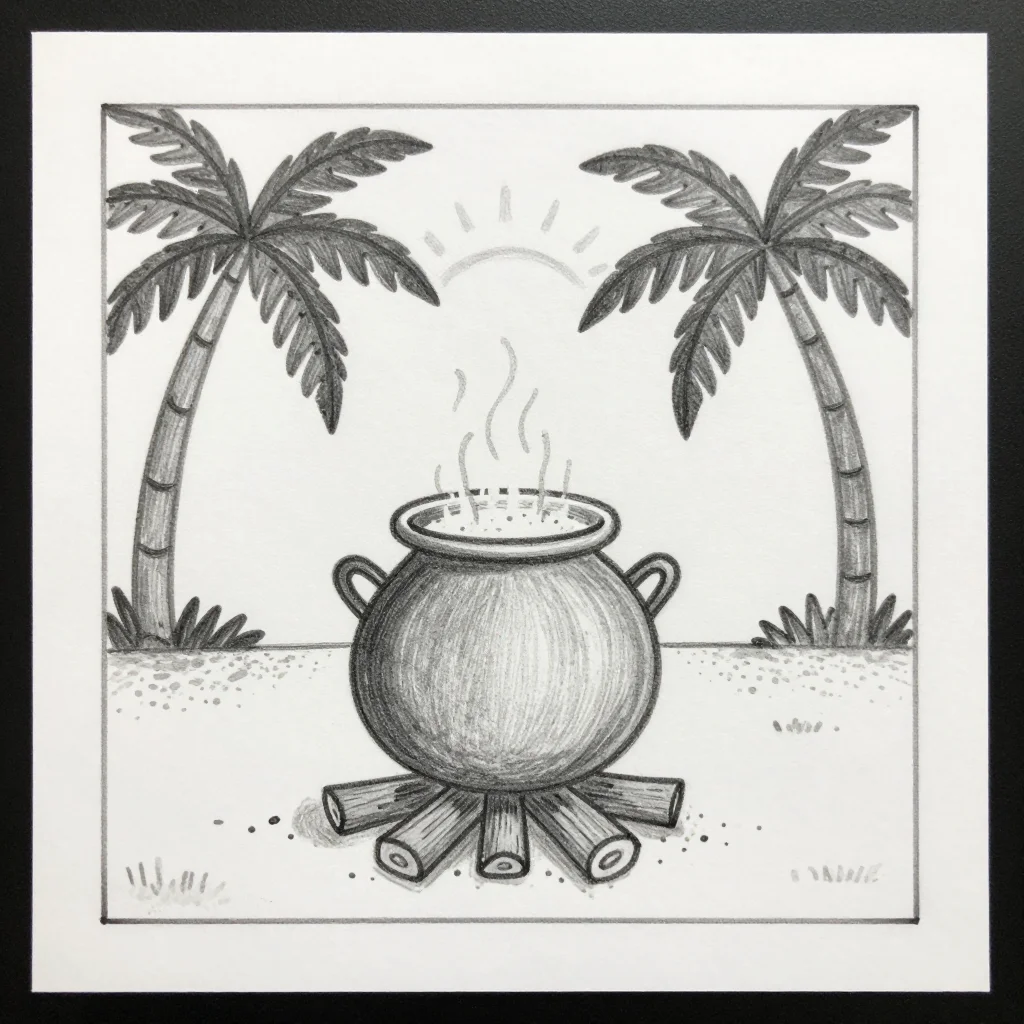
Drawings of the Pongal pot, in which new rice and jaggery boil over at sunrise during the Tamil harvest festival. Each suits school drawing work or a festival display. The easy pot is a first drawing for a child; the pot with sugarcane adds a kolam and a banana leaf; the harvest scene shows the wood fire and the sun behind a coconut palm. Type a different subject and the drawing is made to that request.
- a Pongal drawing for a school art lesson
- a picture for a classroom display
- a colouring sheet for a child at home
- a festival board for a temple or community hall
Frequently asked questions
- Which drawing is easiest for a child?
- The easy pot: one pot with rice foaming over the rim and a turmeric plant tied at its neck.
- Can a child colour these in?
- The line drawing is black outline with no shading, so it can be coloured in; the crayon and pencil styles are already coloured or shaded.
- What is the difference between the three styles?
- Line drawing is black line art like a colouring book; crayon colour is a child's bright crayon drawing with black outlines; pencil shading is graphite with hatched shading on the pot.
- Can I change the subject?
- Yes. Type a different subject, such as with cow or oil pastel, and the drawing is made to that request.
About toile
This page is a showcase and a starting point: nine samples already rendered, three readings of the pack crossed with three styles, each shown at the size and ratio it was made for. Take any of them further on the wall with a few words, or ask for all nine again under your own direction; a sign-in keeps what you make, and it is free while Toile is new. The recipe behind each sample — the subject, the style, the palette, the framing — travels with the image rather than staying private to the render: it is in the alt text of every sample and in the page's own structured data, so a search engine reads the same handles a person would.