/ram-navami-cards · faith
Ram Navami cards: bow, cradle, puja invitation

Make your ownRam Navami cards
Describe yours. We'll remake the whole pack your way.
More like this
the whole catalog →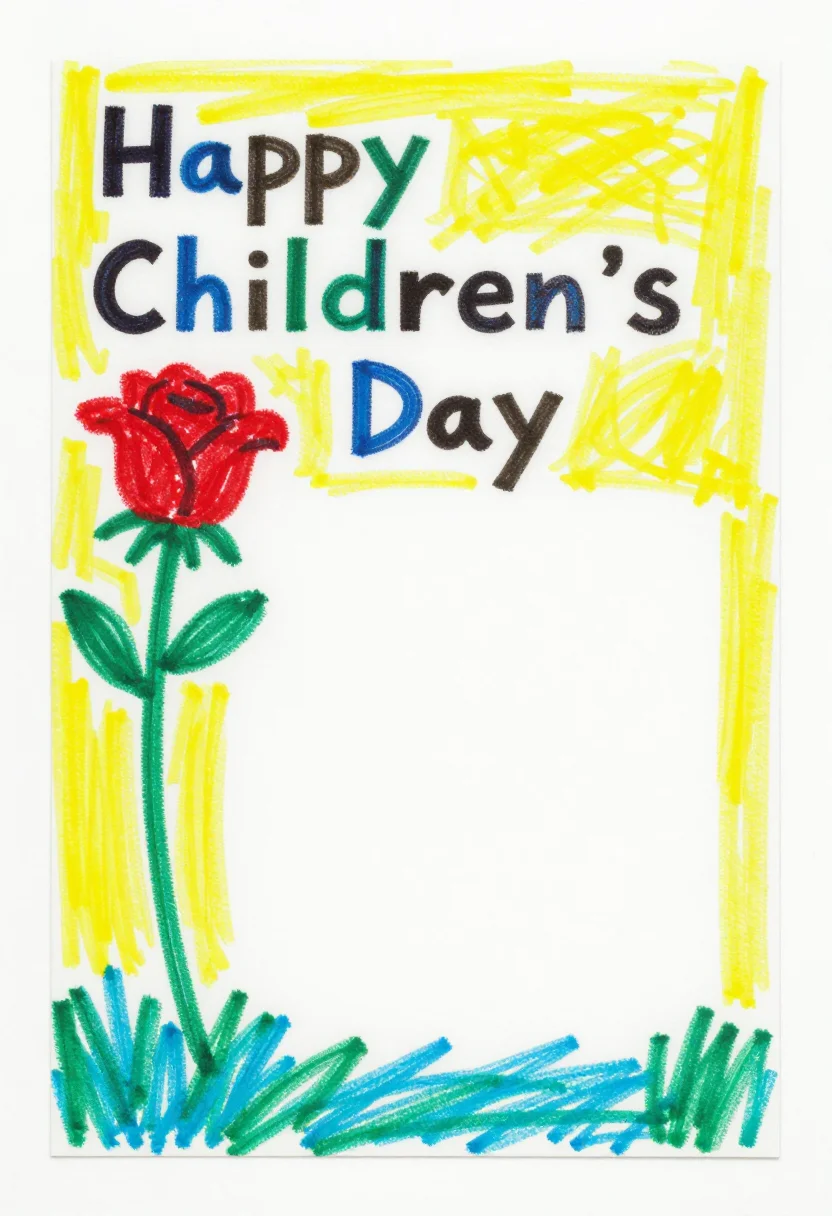

every sample — three subjects, three styles ↓
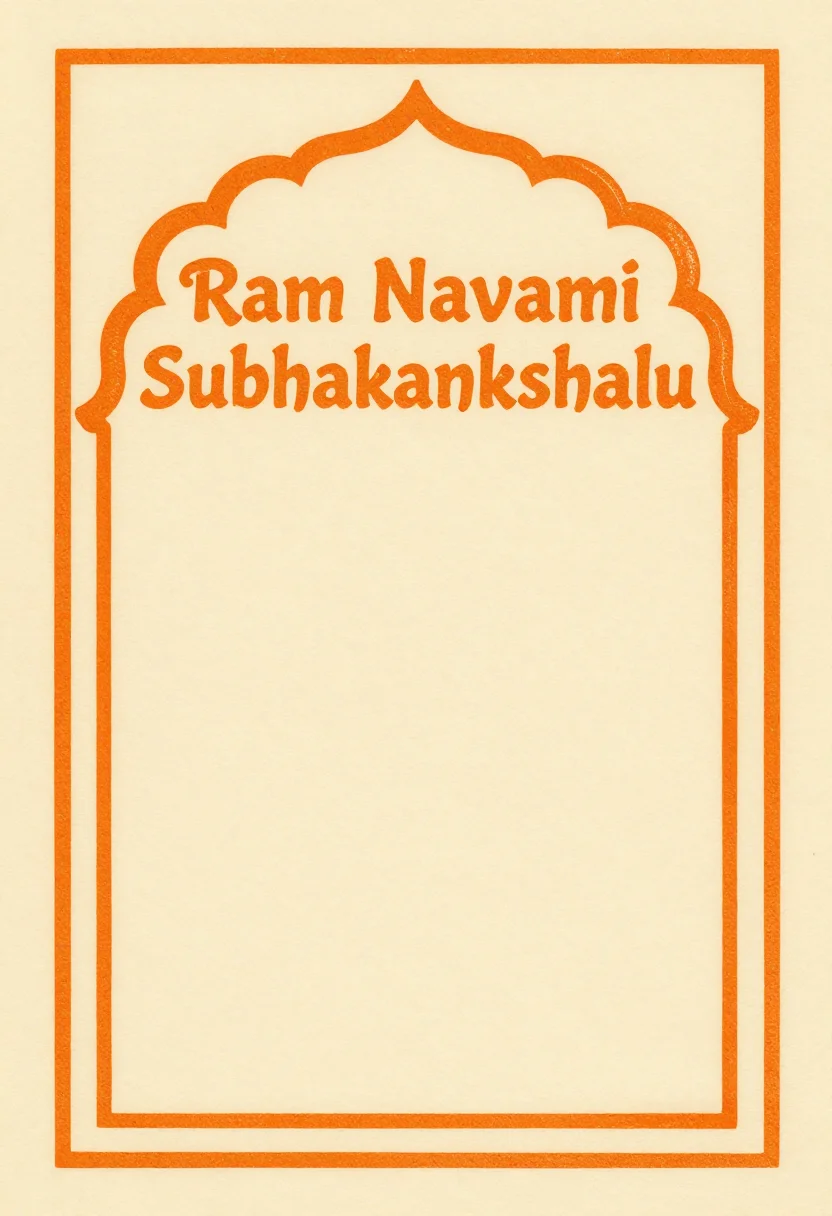
A card a family sends or prints for Ram Navami, the birth of Rama on the ninth day of Chaitra. These nine show a greeting over a bow and arrow with a saffron flag, a flower-decked cradle, and a puja invitation with a clear panel for the date and address. Each is drawn as a Rajasthani miniature, a papercut or a linocut. Type a different subject, such as Hanuman, and the same styles carry it.
- a greeting to family on Ram Navami
- an invitation to a home bhajan or puja
- a printed card for a temple notice
- a card with space for the date and address
Frequently asked questions
- Is the greeting spelled as I need it?
- The greeting is set as the design asks, such as Happy Ram Navami or Jai Shri Ram. Check any lettering against your wording before printing.
- Where do I write the date and address?
- The invitation has a large empty panel below the header, left blank for the date and address to be added.
- What is the difference between the styles?
- Miniature has fine brushwork, jewel colours and a gold rule, papercut has layered cut edges with soft shadows, and linocut has two colours and visible ink texture.
- Can I ask for a different subject?
- Yes. Type the subject you want and it is drawn in the same three styles, as a sample rather than a promised result.
About toile
This page is a showcase and a starting point: nine samples already rendered, three readings of the pack crossed with three styles, each shown at the size and ratio it was made for. Take any of them further on the wall with a few words, or ask for all nine again under your own direction; a sign-in keeps what you make, and it is free while Toile is new. The recipe behind each sample — the subject, the style, the palette, the framing — travels with the image rather than staying private to the render: it is in the alt text of every sample and in the page's own structured data, so a search engine reads the same handles a person would.