/ramadan-wallpapers · faith
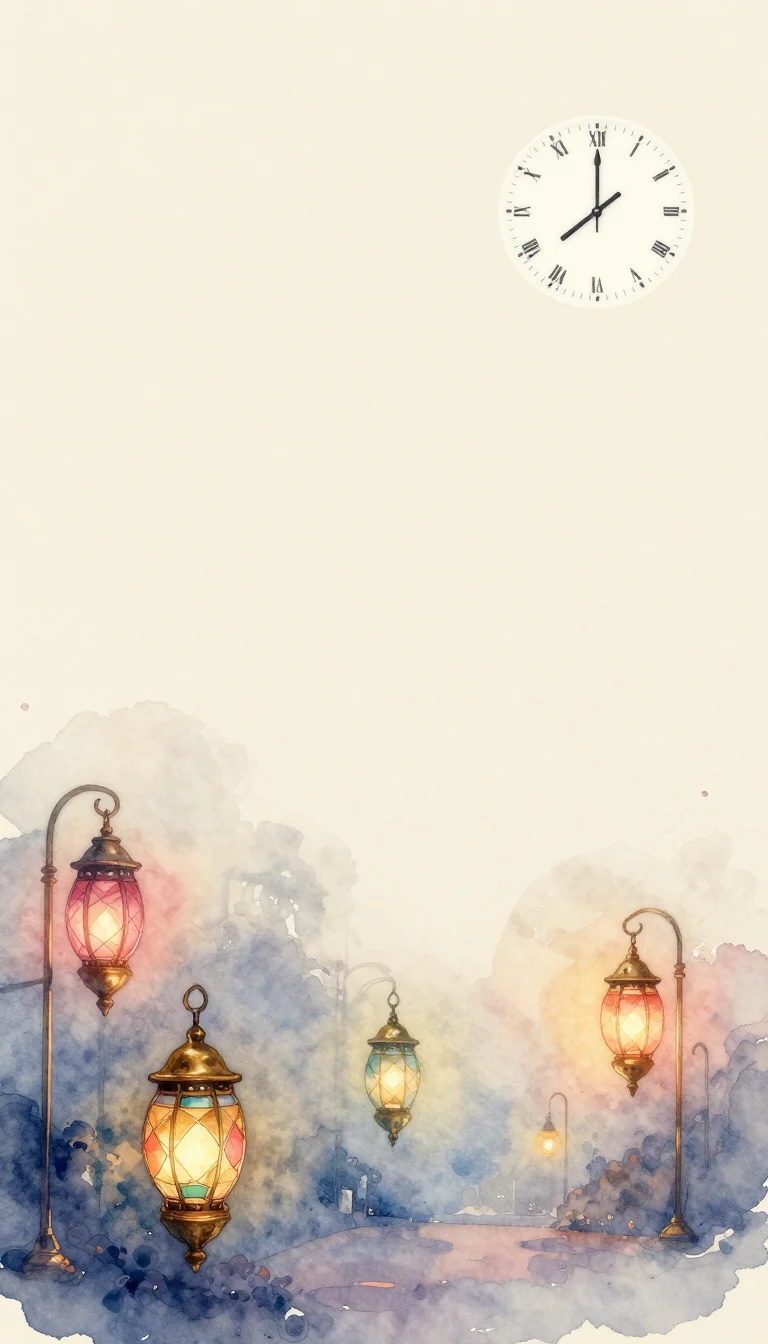
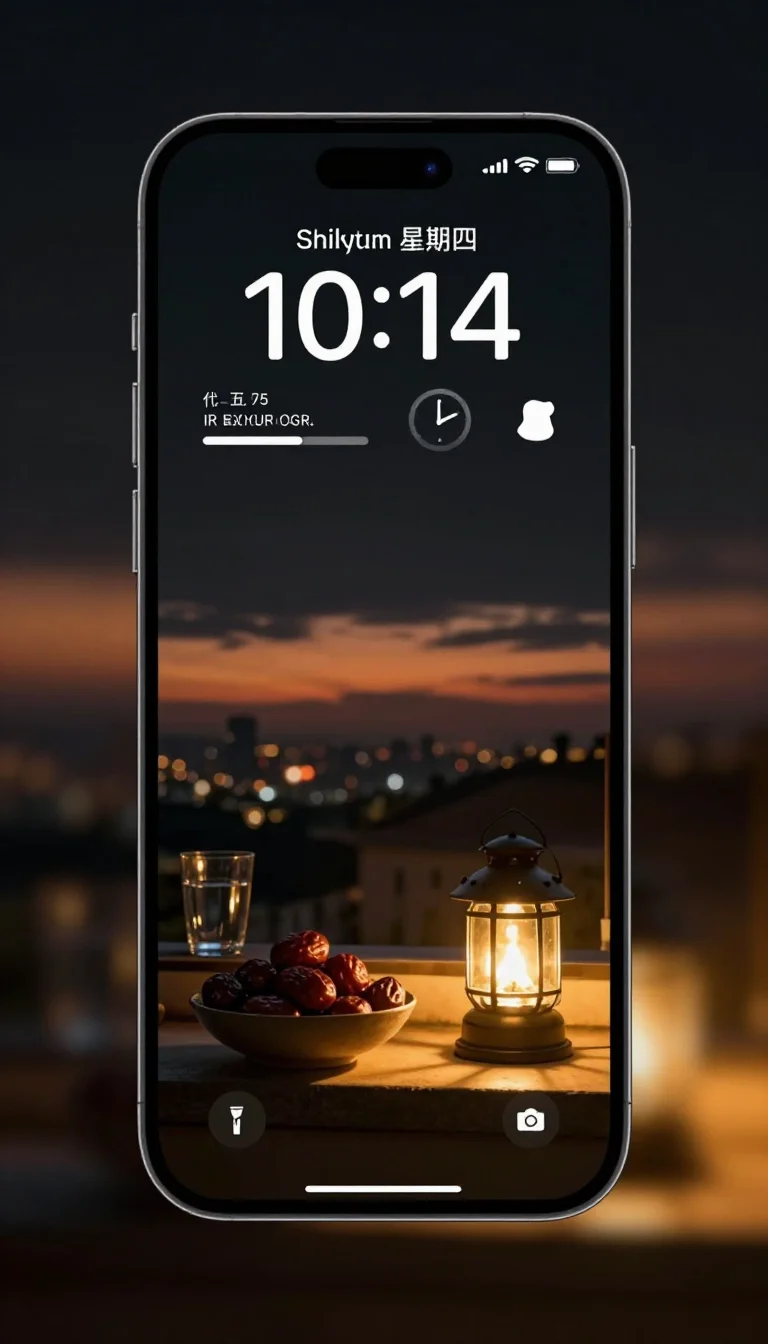
Ramadan wallpapers: fanous lanterns over a street, a crescent above a mosque, dates at iftar
Make your ownRamadan wallpapers
Describe yours. We'll remake the whole pack your way.
More like this
the whole catalog →
every sample — three subjects, three styles ↓
Phone wallpapers for Muslims who change their phone for the holy month of Ramadan to lanterns, crescents and the evening table. The nine show brass fanous lanterns over a dusky street, a thin crescent above a domed mosque, and dates with a lit lantern on a windowsill at iftar. Each scene comes as a watercolour, a gold leaf miniature or a midnight glow. The top stays open and quiet. Type a twist, such as Eid, and the three styles stay.
- Phone lock screen for the holy month
- Home screen behind the app icons
- Desktop background
Frequently asked questions
- What is in this pack?
- Nine tall wallpapers for Ramadan in three scenes: fanous lanterns over a street, a crescent above a mosque, and dates at iftar. Each scene comes in three styles.
- Can I ask for a different twist?
- Yes, type a twist such as Eid, a moon or stars in the sky. A twist you type is a request, not a guaranteed result.
- What is the difference between the styles?
- Watercolour has soft washes on textured paper. Gold leaf is an illuminated miniature with gold detail, and midnight glow is a dark painting lit by warm gold light.
- What shape are the wallpapers?
- Each is a tall 9:16 portrait, the proportion of a modern phone screen, with no text or watermark.
About toile
This page is a showcase and a starting point: nine samples already rendered, three readings of the pack crossed with three styles, each shown at the size and ratio it was made for. Take any of them further on the wall with a few words, or ask for all nine again under your own direction; a sign-in keeps what you make, and it is free while Toile is new. The recipe behind each sample — the subject, the style, the palette, the framing — travels with the image rather than staying private to the render: it is in the alt text of every sample and in the page's own structured data, so a search engine reads the same handles a person would.