/reading-comprehension-passages · classroom
Reading comprehension passages: fiction, nonfiction and poetry
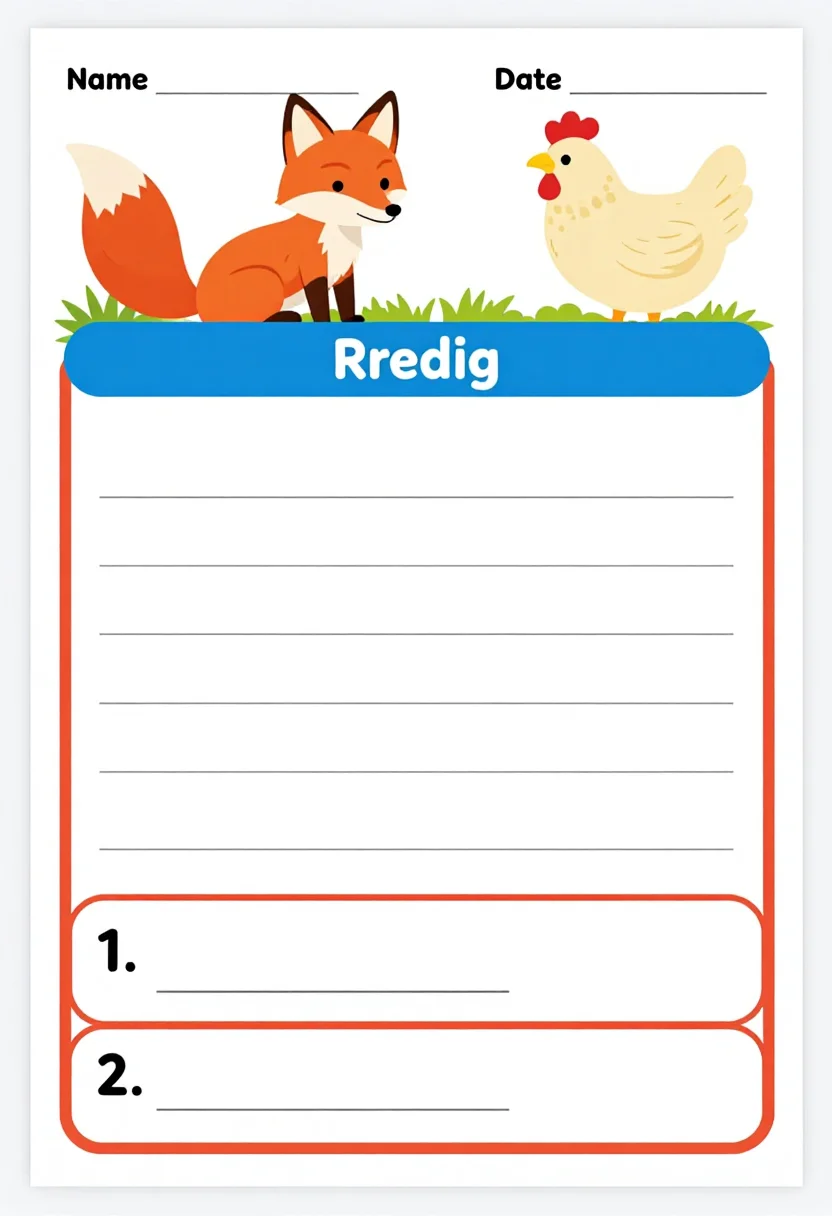
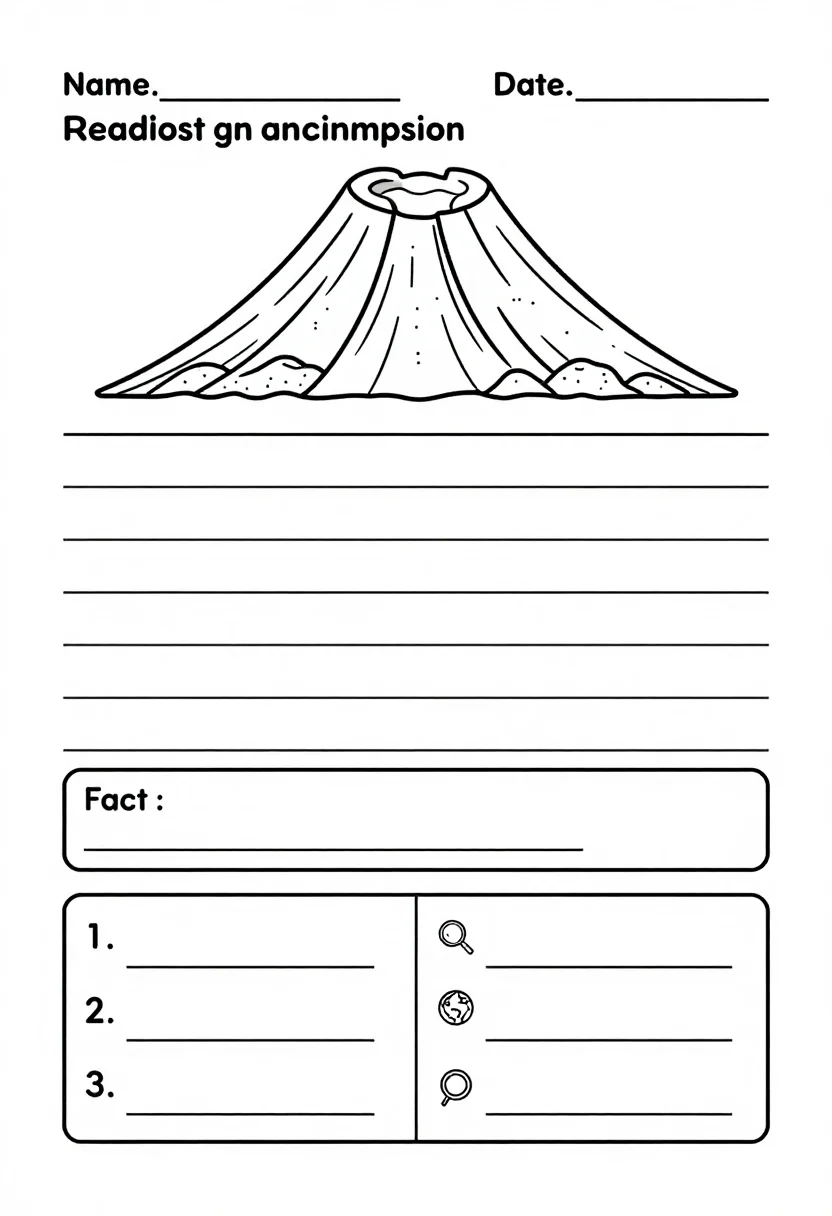
Make your ownReading passages
Describe yours. We'll remake the whole pack your way.
More like this
the whole catalog →
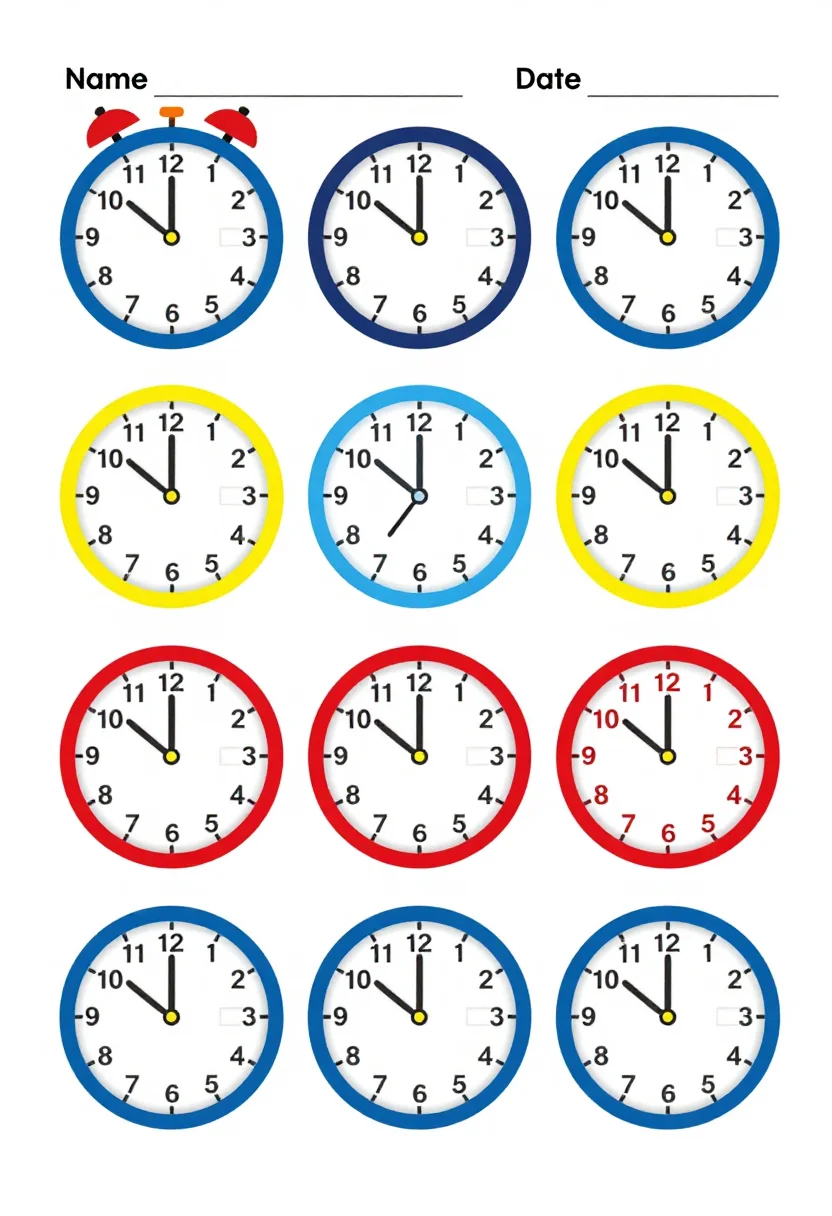
every sample — three subjects, three styles ↓
A reading comprehension passage is one page: a spot illustration anchoring the top, blank ruled lines for the text, a numbered question strip closing it out. These nine cover fiction, nonfiction and poetry readings across three grade bands, drawn bright and colorful, in soft pastel, or blackline for easy printing. Type a different topic and the same page redraws.
- a reading comprehension worksheet for guided reading groups
- a substitute-teacher folder page
- morning work or homework practice
- a reading center rotation activity
- a grade-band reading assessment warm-up
Frequently asked questions
- Do the passages include the actual reading text?
- No — the text areas are blank ruled lines. You add your own passage; the page supplies the illustration, layout and numbered question strip.
- Can I get a different grade band?
- Yes — the three readings target different grade bands; ask through the direction field for a specific level and the page redraws.
- What's the difference between the bright, pastel and blackline columns?
- Same layout, three print treatments — bright and colorful for classroom display, soft pastel for a gentler look, and blackline (line art only) for cheap black-and-white printing.
- Is this the same as a full reading comprehension worksheet with questions filled in?
- No — the question strip is numbered but blank, so you write the questions to match whatever passage you place on the page.
About toile
This page is a showcase and a starting point: nine samples already rendered, three readings of the pack crossed with three styles, each shown at the size and ratio it was made for. Take any of them further on the wall with a few words, or ask for all nine again under your own direction; a sign-in keeps what you make, and it is free while Toile is new. The recipe behind each sample — the subject, the style, the palette, the framing — travels with the image rather than staying private to the render: it is in the alt text of every sample and in the page's own structured data, so a search engine reads the same handles a person would.