/risograph · style
Risograph print: gig poster, zine cover, neighbourhood map
Make your ownRisograph
Describe yours. We'll remake the whole pack your way.
More like this
the whole catalog →
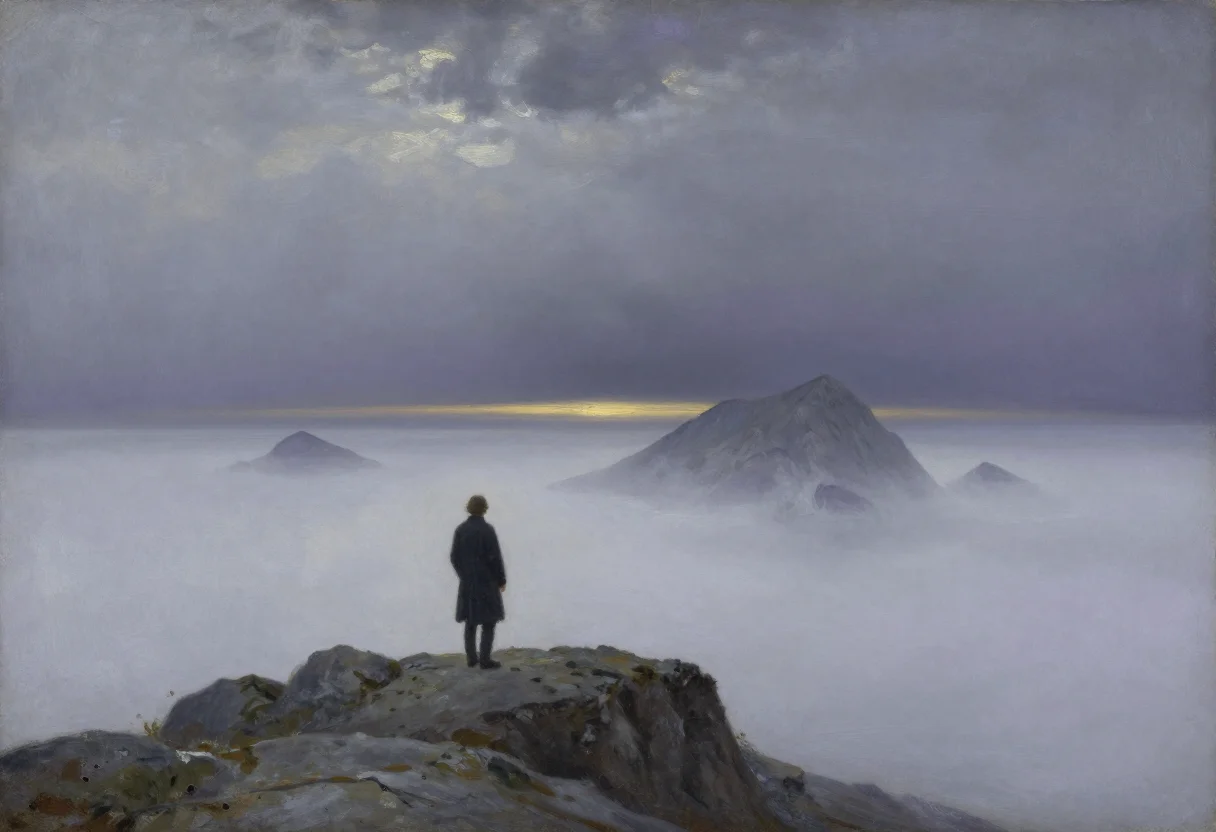
every sample — three subjects, three styles ↓
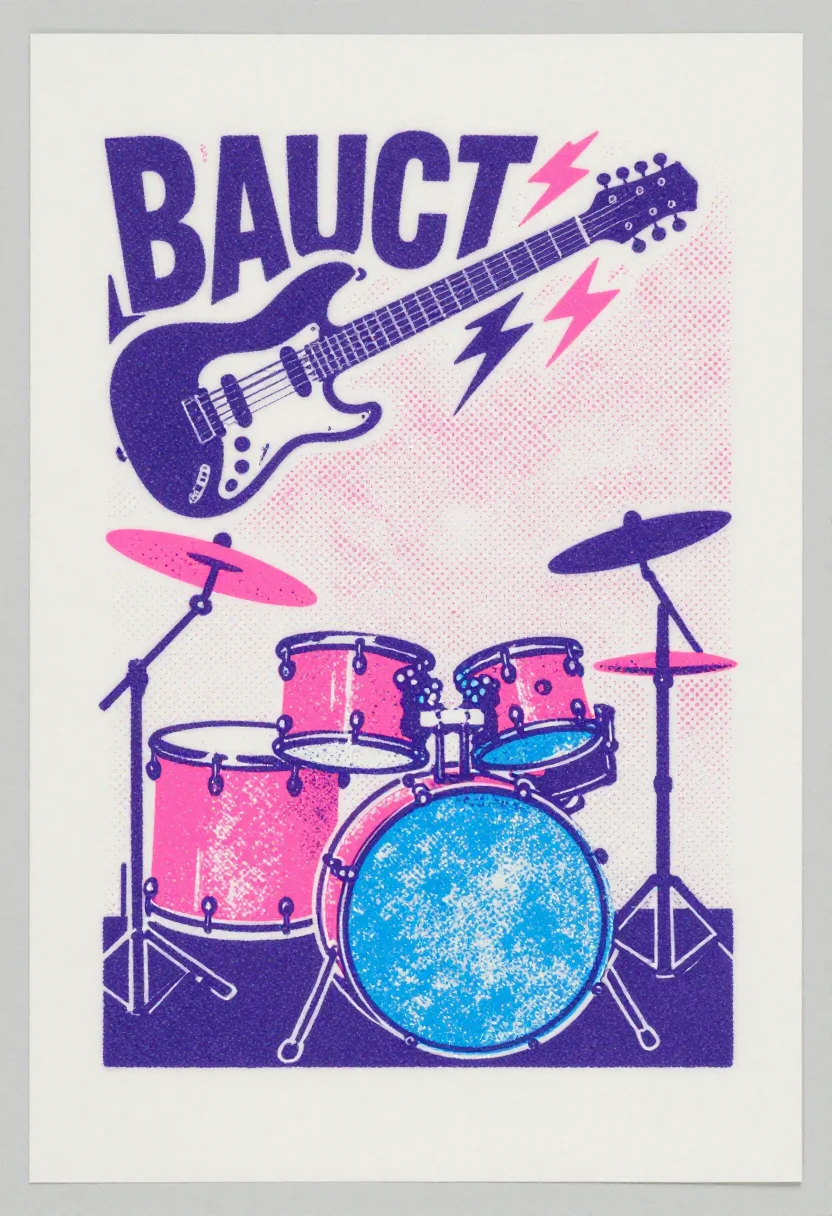
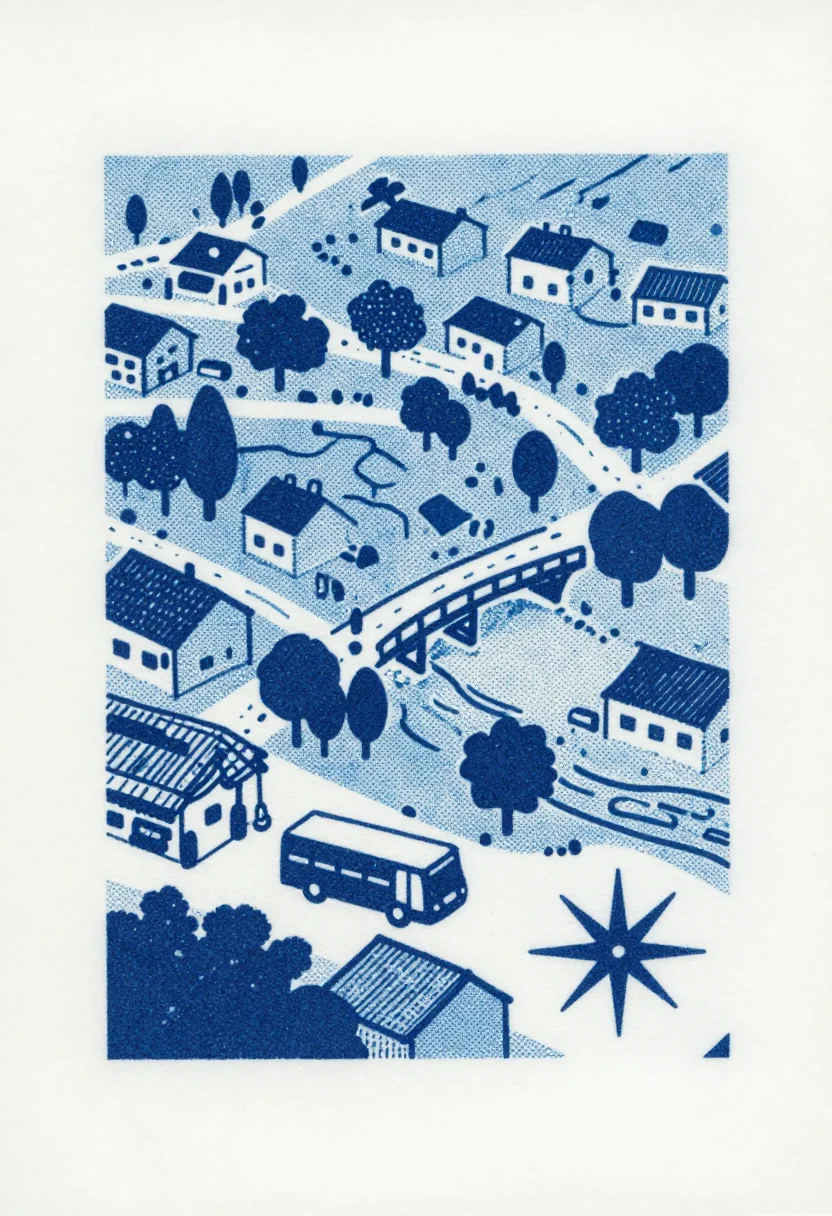
Risograph is the stencil duplicator turned art press: a gig poster in fluorescent pink and blue, a zine cover of a cat astronaut, a two-colour neighbourhood map. These nine print each in fluoro pink-blue, earth tones and a single colour. Ask for a birthday card or coffee shop instead and the same three colourways carry it.
- a gig poster or event flyer
- a zine or fanzine cover
- a neighbourhood or city map print
- a birthday or greeting card
- a studio or bedroom wall
Frequently asked questions
- What size do these print at?
- Each print is drawn at A3 proportions with an even margin, so it prints clean at A3 or scales down for a flyer.
- Can I get a different subject, like a birthday card?
- Yes — the direction field takes any subject, such as a birthday card or a coffee shop, and the same three colourways render it.
- What's the difference between the three colourways?
- Fluoro pink-blue overlaps two bright inks to make a third colour where they meet; earth tones uses a muted, warm palette; single colour is one bold ink on plain paper.
- Does this look like a real risograph print, with the grain and misregistration?
- Yes — the grainy ink texture, halftone dots and slight registration offset are part of the drawn style, echoing a genuine riso print rather than a flat digital poster.
About toile
This page is a showcase and a starting point: nine samples already rendered, three readings of the pack crossed with three styles, each shown at the size and ratio it was made for. Take any of them further on the wall with a few words, or ask for all nine again under your own direction; a sign-in keeps what you make, and it is free while Toile is new. The recipe behind each sample — the subject, the style, the palette, the framing — travels with the image rather than staying private to the render: it is in the alt text of every sample and in the page's own structured data, so a search engine reads the same handles a person would.