/roka-invitations · occasions
Roka invitations: roka, sagai, chunni ceremony

Make your ownRoka invitations
Describe yours. We'll remake the whole pack your way.
More like this
the whole catalog →


every sample — three subjects, three styles ↓
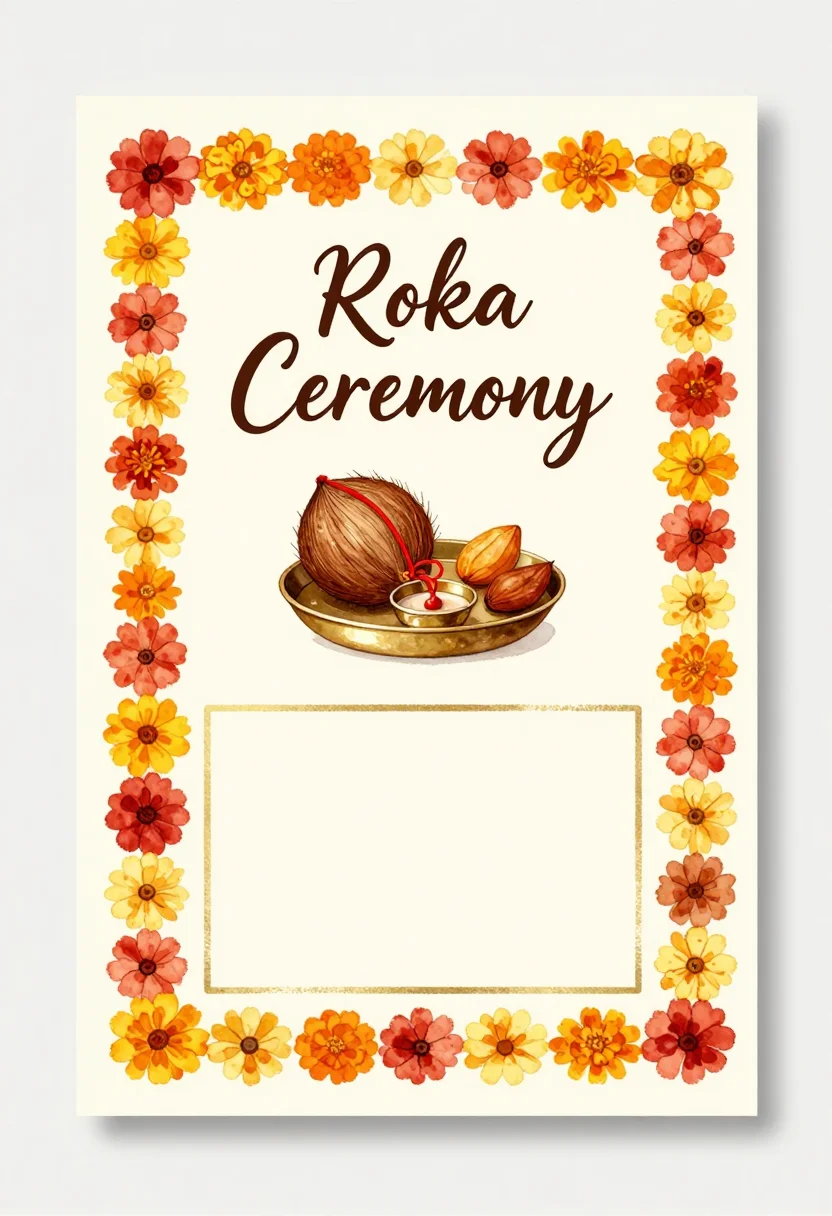
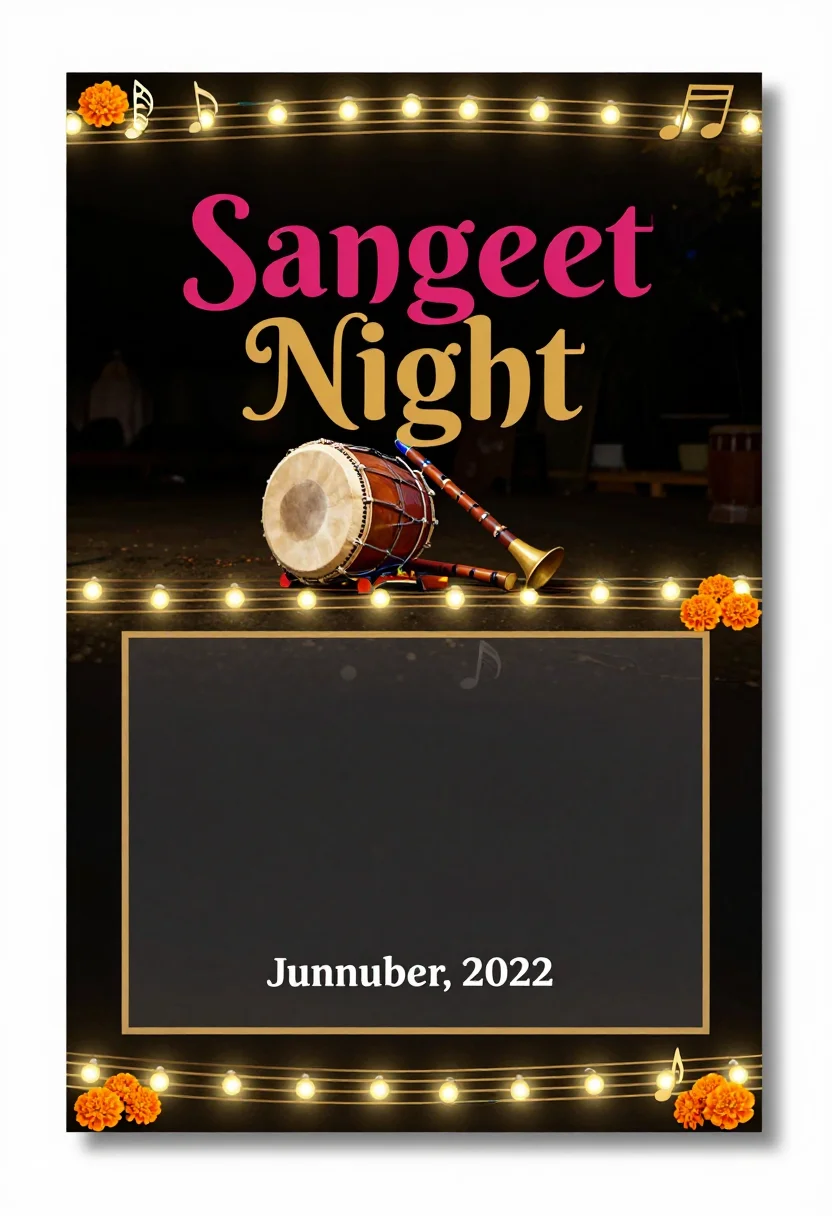
Printable invitations to the first ceremony of a match, when two families agree and the engagement begins. North Indian and Punjabi families hold the roka, the sagai with its exchange of rings, and the chunni ceremony, where the groom's family drapes a red chunni on the bride. Each card is lettered with its rite and leaves the names and date blank. Type a different colour in the direction field and the same card carries it.
- an invitation to the roka
- a card for a sagai or ring ceremony
- an invitation to a chunni ceremony
- a printed card for the two families
Frequently asked questions
- What is the difference between the roka and the sagai?
- The roka is the first ceremony of the match, and the sagai is the exchange of rings; each card is lettered with its own name.
- Are the names and date printed?
- No. The panel is left blank for the names and date.
- What are the three styles?
- Watercolor is soft washes in red, marigold and gold on ivory, gold foil is a formal printed look on deep red, and flat colour is bold shapes on cream.
- What happens at the chunni ceremony?
- The groom's family drapes a red chunni on the bride.
About toile
This page is a showcase and a starting point: nine samples already rendered, three readings of the pack crossed with three styles, each shown at the size and ratio it was made for. Take any of them further on the wall with a few words, or ask for all nine again under your own direction; a sign-in keeps what you make, and it is free while Toile is new. The recipe behind each sample — the subject, the style, the palette, the framing — travels with the image rather than staying private to the render: it is in the alt text of every sample and in the page's own structured data, so a search engine reads the same handles a person would.