/scrunchie-patterns · craft
Scrunchie pattern: classic, bow, mini
Make your ownScrunchie patterns
Describe yours. We'll remake the whole pack your way.
More like this
the whole catalog →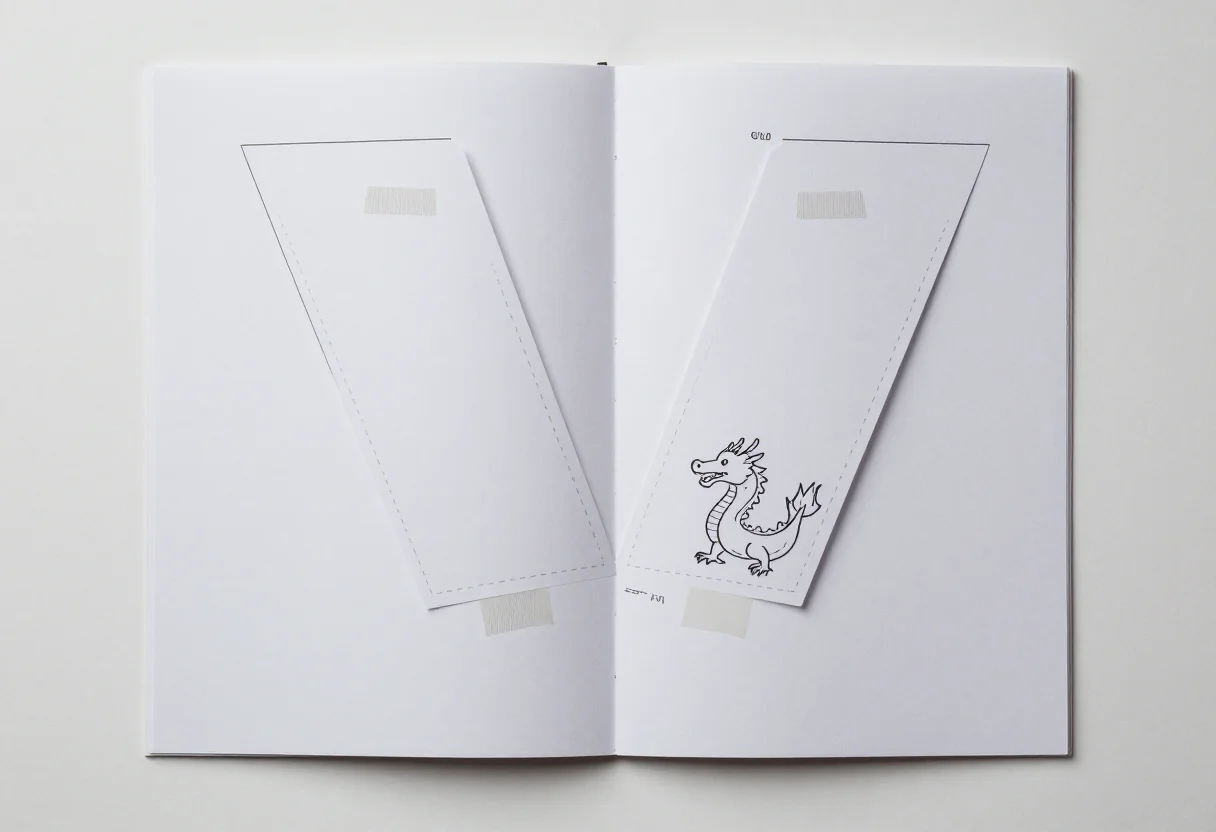
every sample — three subjects, three styles ↓
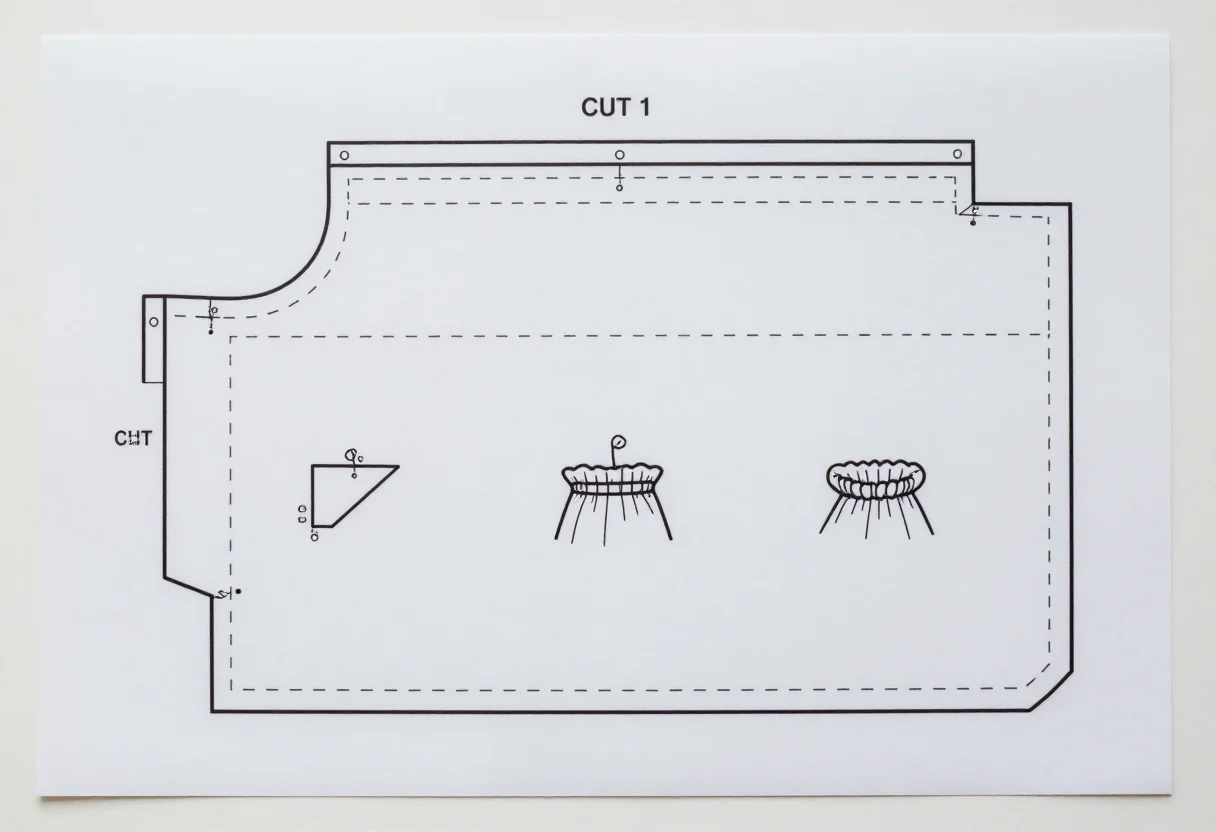
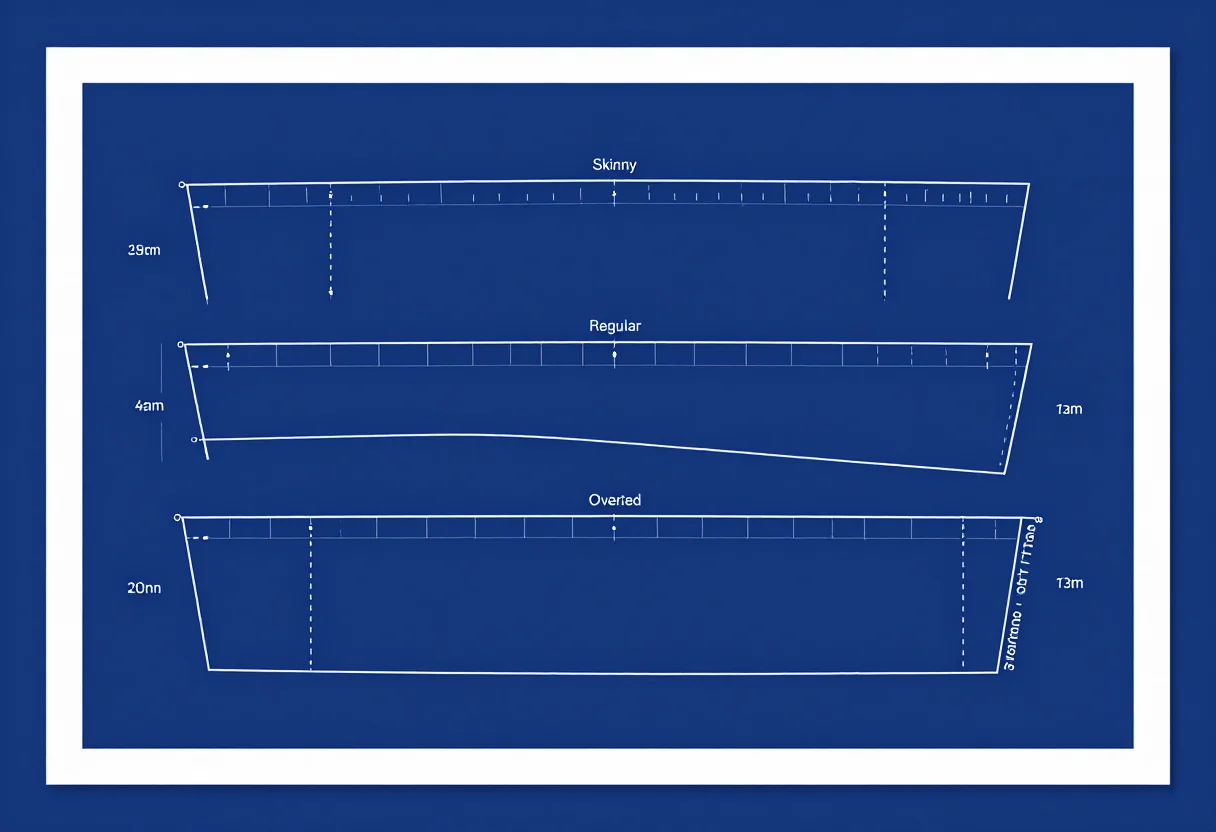
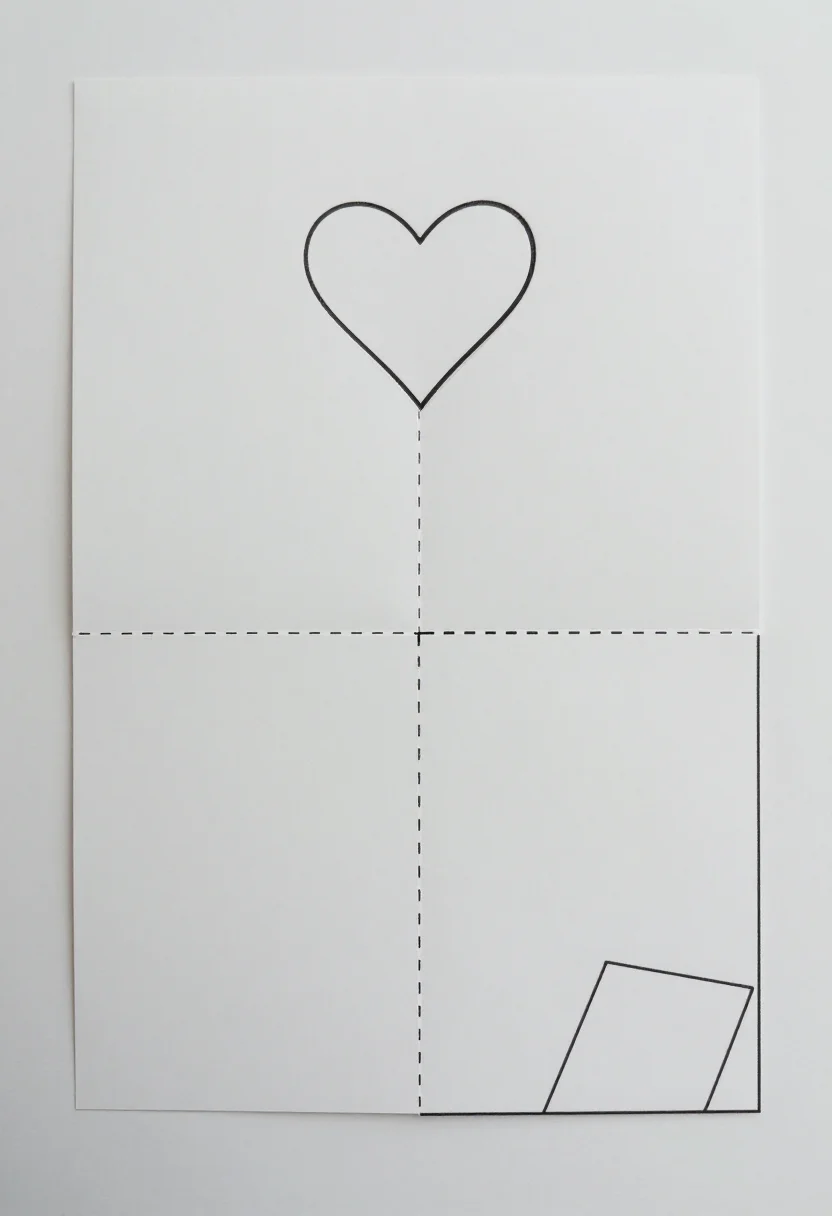
A scrunchie is one strip of fabric sewn into a tube around elastic, often the first thing people sew from scraps. These are printable pattern sheets: the strip drawn to size with its seam allowance dashed, and the folding steps in small diagrams. The three styles are a classic scrunchie, a bow scrunchie with a separate tie, and three strip widths. Type a different size or twist and it is a request, not a guaranteed picture.
- a first sewing project from fabric scraps
- a handout for a sewing class
- a hair accessory for a gift
- a sheet to keep beside the sewing machine
Frequently asked questions
- What is on each sheet?
- The fabric strip drawn to size, its measurements along the edges, the seam allowance dashed, and small diagrams of the steps.
- Are the pieces at real size?
- They are drawn to size with the measurements written on the sheet. Check the printed scale against those measurements before you cut.
- What is the difference between the three styles?
- Clean line is crisp black ink on white, graph paper shows the same drawing on squared paper, and blueprint is white line on deep blue.
- Can I ask for a kids size or a pocket?
- Yes, by typing it as a direction. That is a request; the nine pictures show the three scrunchie styles above.
About toile
This page is a showcase and a starting point: nine samples already rendered, three readings of the pack crossed with three styles, each shown at the size and ratio it was made for. Take any of them further on the wall with a few words, or ask for all nine again under your own direction; a sign-in keeps what you make, and it is free while Toile is new. The recipe behind each sample — the subject, the style, the palette, the framing — travels with the image rather than staying private to the render: it is in the alt text of every sample and in the page's own structured data, so a search engine reads the same handles a person would.