/sleep-trackers · planner
Sleep tracker: hour grid, sleep diary, baby sleep log
Make your ownSleep trackers
Describe yours. We'll remake the whole pack your way.
More like this
the whole catalog →
every sample — three subjects, three styles ↓
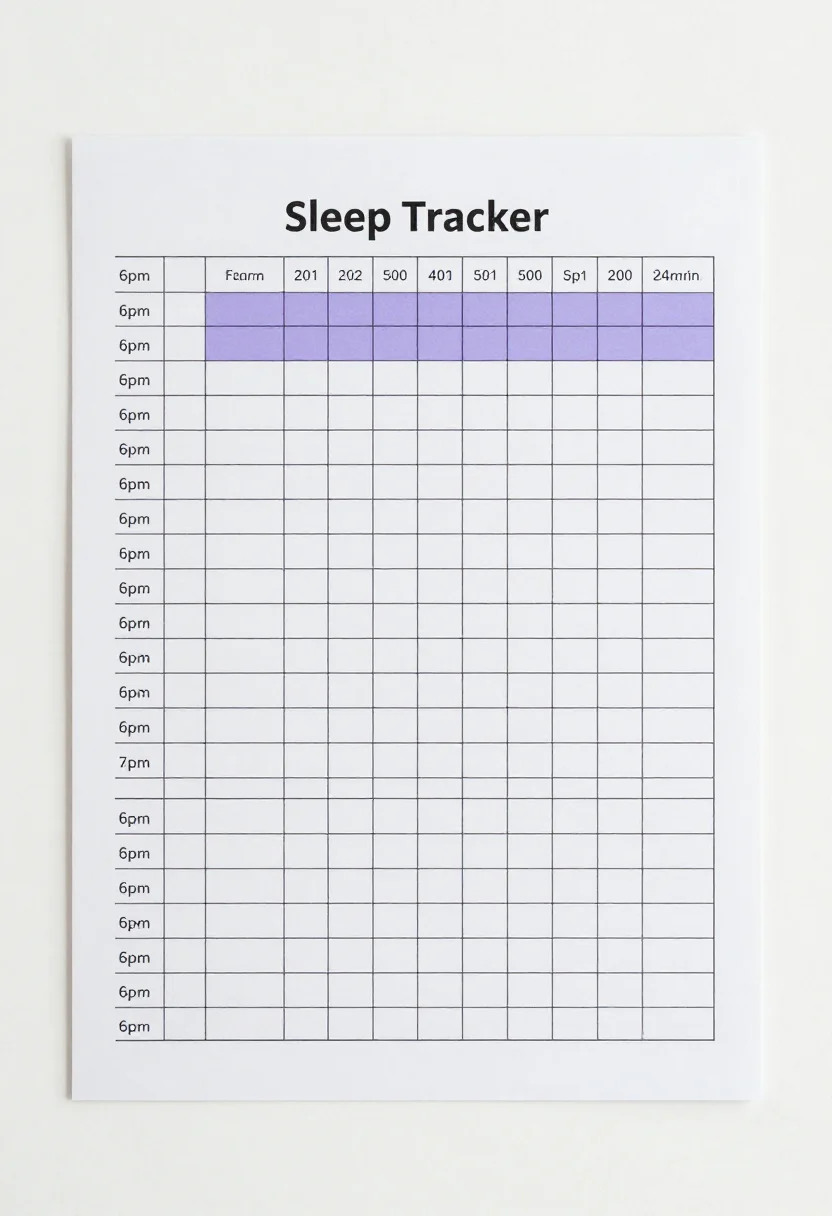
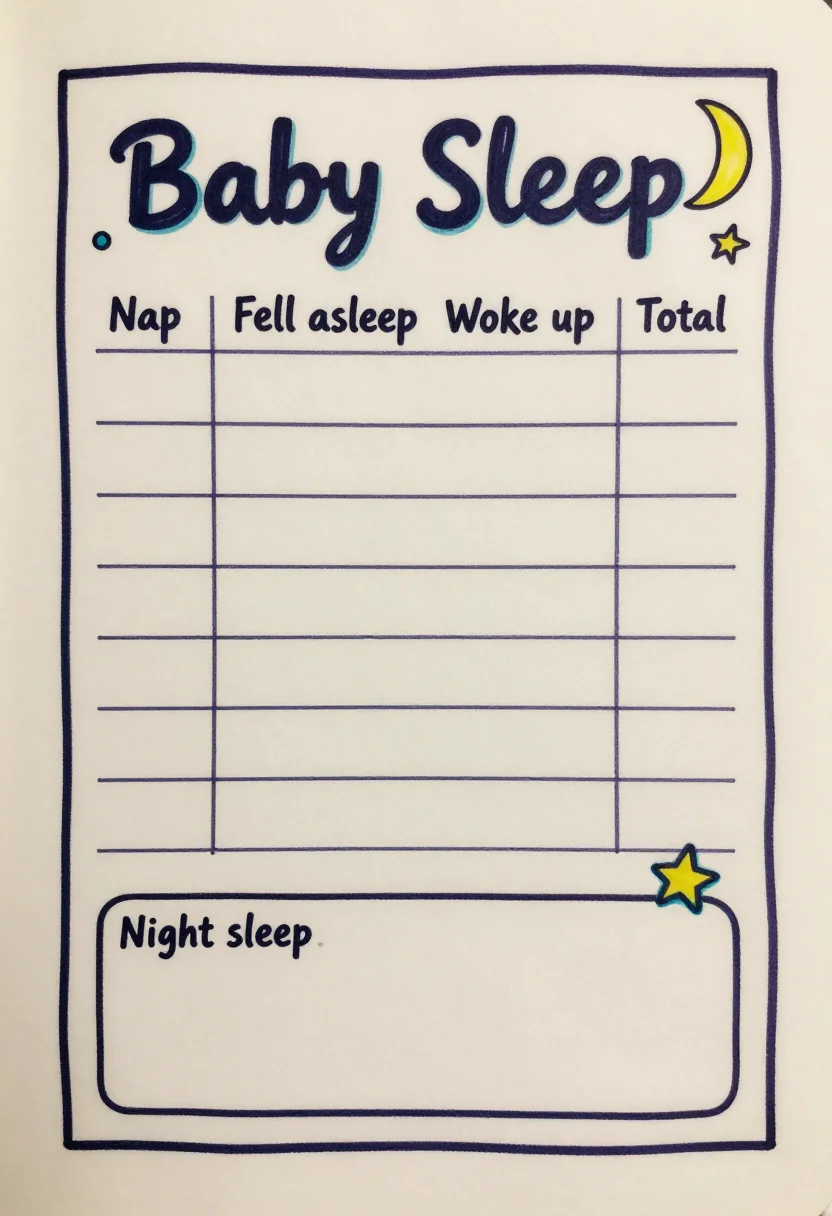
A sleep tracker is a page where you note when sleep starts and ends, so the pattern shows over weeks. These nine show three pages: a monthly grid of 31 rows across a 24-hour timeline, a weekly diary with bedtime, wake time, hours slept and how you feel, and a baby sleep log with six nap rows. Every cell is blank. Type a direction, such as toddler, and the pages follow it.
- a baby's naps and night sleep
- a week of sleep in a diary
- a month of hours on one grid
- a toddler's sleep on the wall
Frequently asked questions
- What is on the hour grid?
- 31 numbered day rows across a 24-hour timeline from 6pm to 6pm, with an empty cell for each hour to shade.
- What is the difference between the three styles?
- Clean minimal has thin black lines and a crisp sans-serif title. Soft pastel uses rounded boxes in muted pastels. Hand-drawn has wobbly marker outlines and a bubbly heading.
- Can I change who the page is for?
- Yes. Type a direction such as newborn. A direction is a request, not a guaranteed result.
About toile
This page is a showcase and a starting point: nine samples already rendered, three readings of the pack crossed with three styles, each shown at the size and ratio it was made for. Take any of them further on the wall with a few words, or ask for all nine again under your own direction; a sign-in keeps what you make, and it is free while Toile is new. The recipe behind each sample — the subject, the style, the palette, the framing — travels with the image rather than staying private to the render: it is in the alt text of every sample and in the page's own structured data, so a search engine reads the same handles a person would.