/swachh-bharat-posters · classroom
Swachh Bharat posters: glasses emblem, clean India, wet and dry bins
Make your ownSwachh Bharat posters
Describe yours. We'll remake the whole pack your way.
More like this
the whole catalog →
every sample — three subjects, three styles ↓
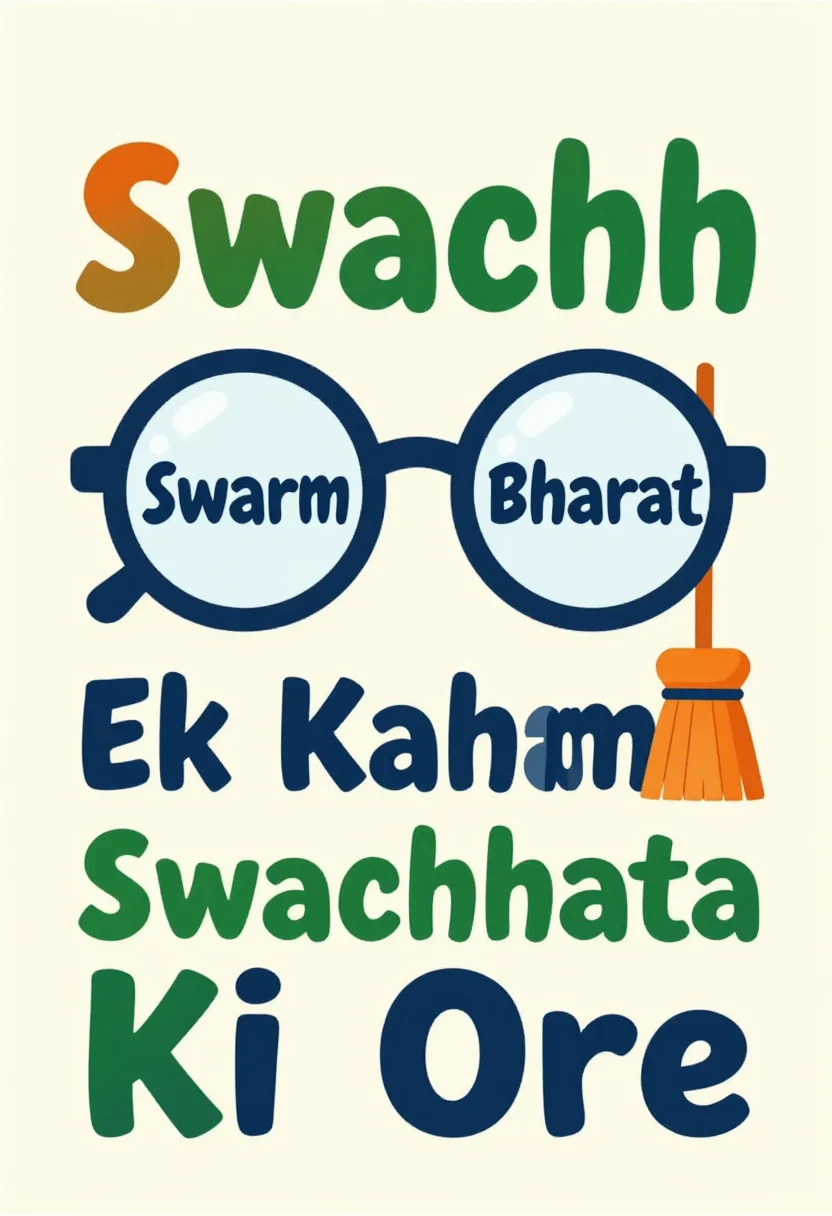
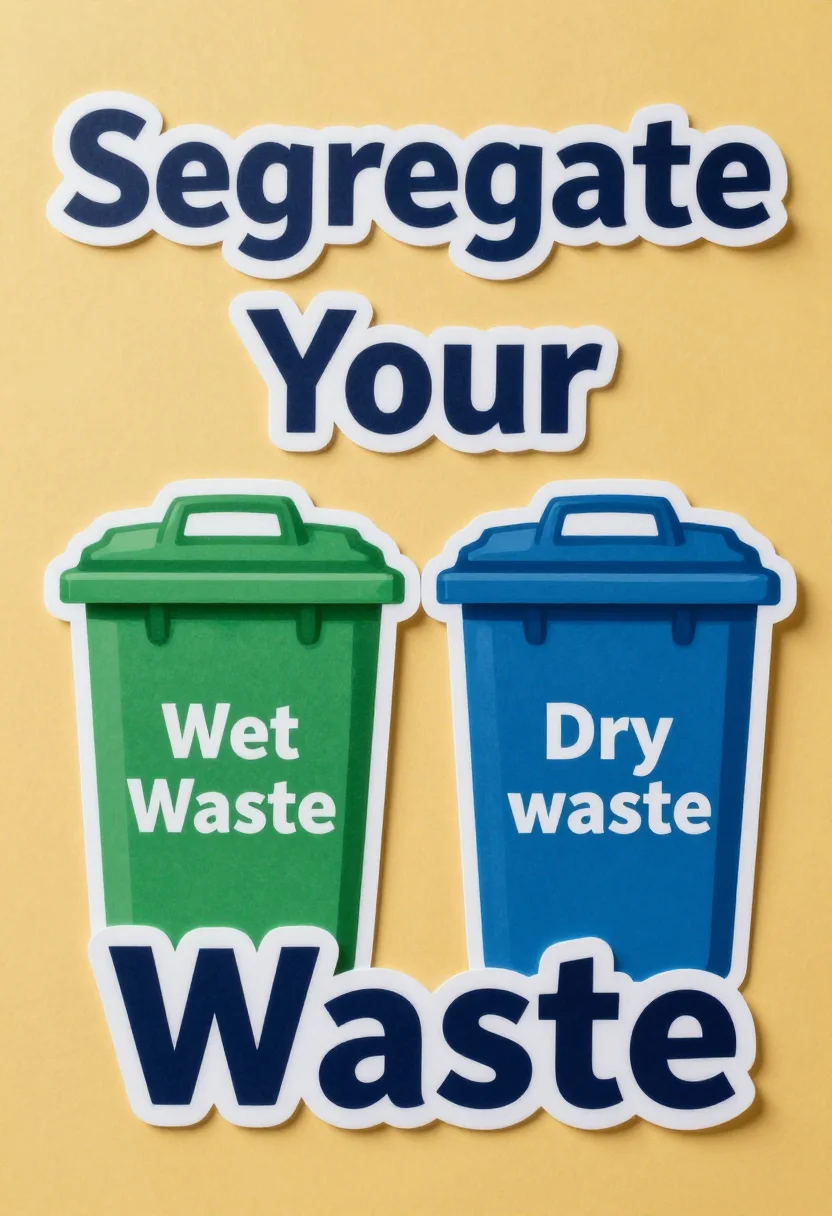
Posters for Swachh Bharat school competitions and the Swachhata Pakhwada drives. The three designs are a pair of round spectacles with a broom, an outline map of India in tricolour with litter swept from its edge, and a green Wet Waste bin beside a blue Dry Waste bin. A direction such as village scene or river clean asks for a different setting; the result is a request, not a promised picture.
- a school Swachh Bharat competition entry
- a Swachhata Pakhwada drive display
- a classroom poster on waste segregation
- a village or panchayat notice board
Frequently asked questions
- What does the glasses design show?
- A round pair of spectacles with the words Swachh and Bharat in the lenses and a broom beside them, with the line Ek Kadam Swachhata Ki Ore.
- How do the three styles differ?
- Flat vector uses bold clean shapes. Crayon looks like a student drawing with uneven strokes on white paper. Cut paper is a layered collage on coloured paper.
- What do the wet and dry bins mean?
- Wet waste is food and organic scraps. Dry waste is paper, plastic and other items that stay dry. The green and blue bins show the two kinds side by side.
- Can I ask for a different setting?
- Yes. A direction such as village scene, river clean or for kids asks for a different setting. It is a request, so the picture may not match the samples.
About toile
This page is a showcase and a starting point: nine samples already rendered, three readings of the pack crossed with three styles, each shown at the size and ratio it was made for. Take any of them further on the wall with a few words, or ask for all nine again under your own direction; a sign-in keeps what you make, and it is free while Toile is new. The recipe behind each sample — the subject, the style, the palette, the framing — travels with the image rather than staying private to the render: it is in the alt text of every sample and in the page's own structured data, so a search engine reads the same handles a person would.