/symptom-trackers · planner
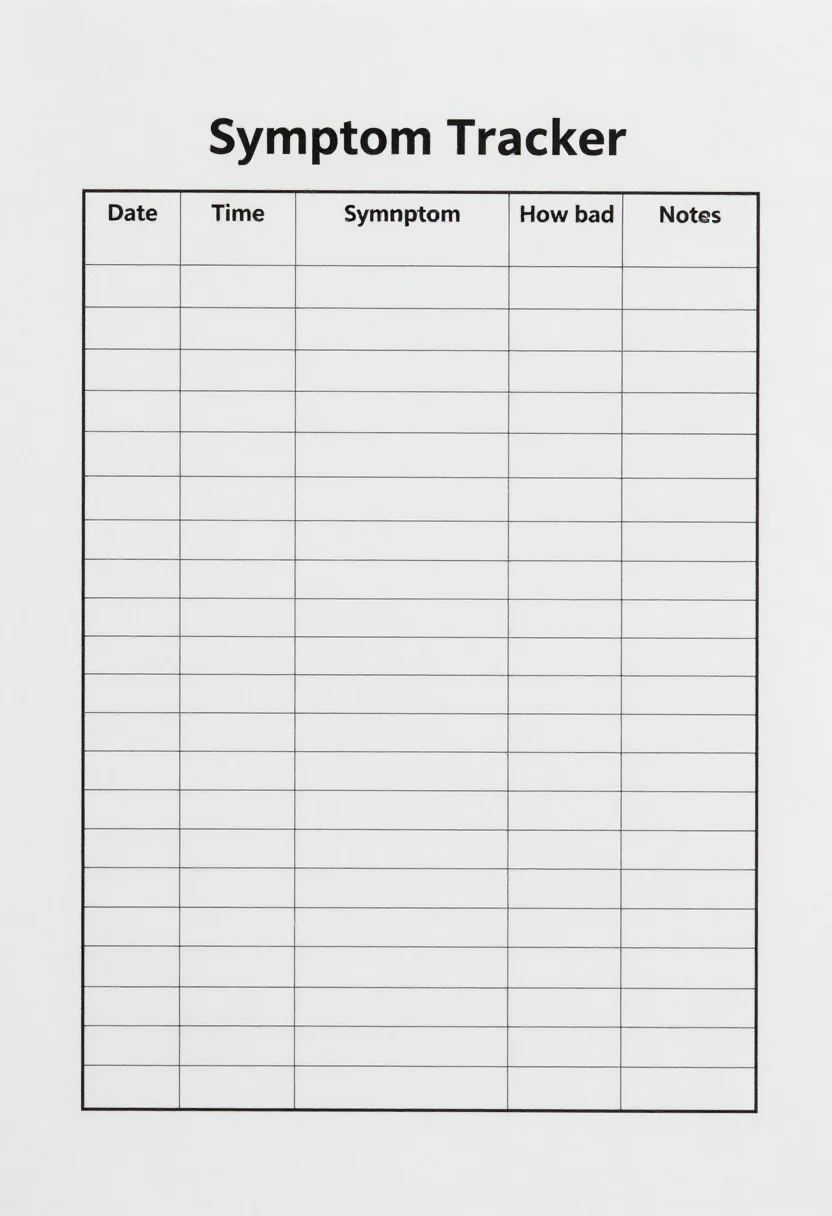
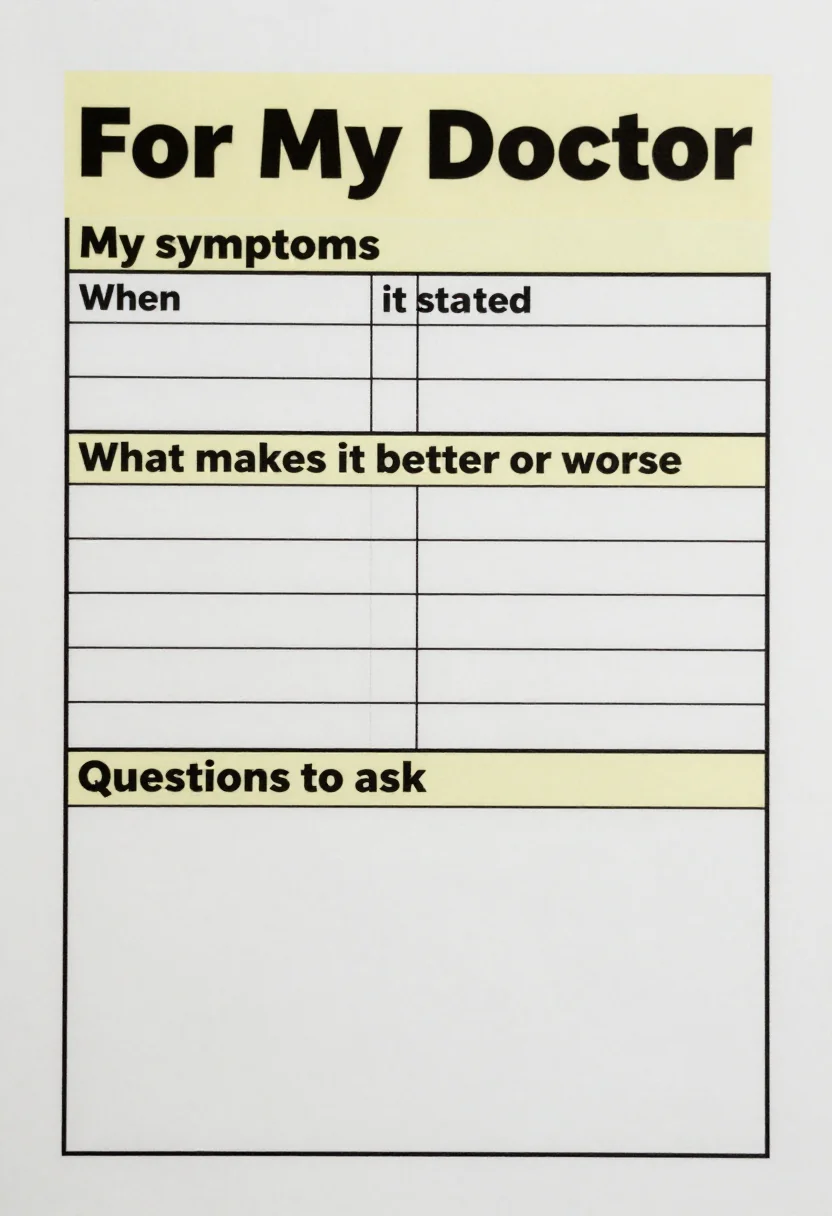
Symptom tracker: daily log, monthly grid, doctor visit page
Make your ownSymptom trackers
Describe yours. We'll remake the whole pack your way.
More like this
the whole catalog →
every sample — three subjects, three styles ↓
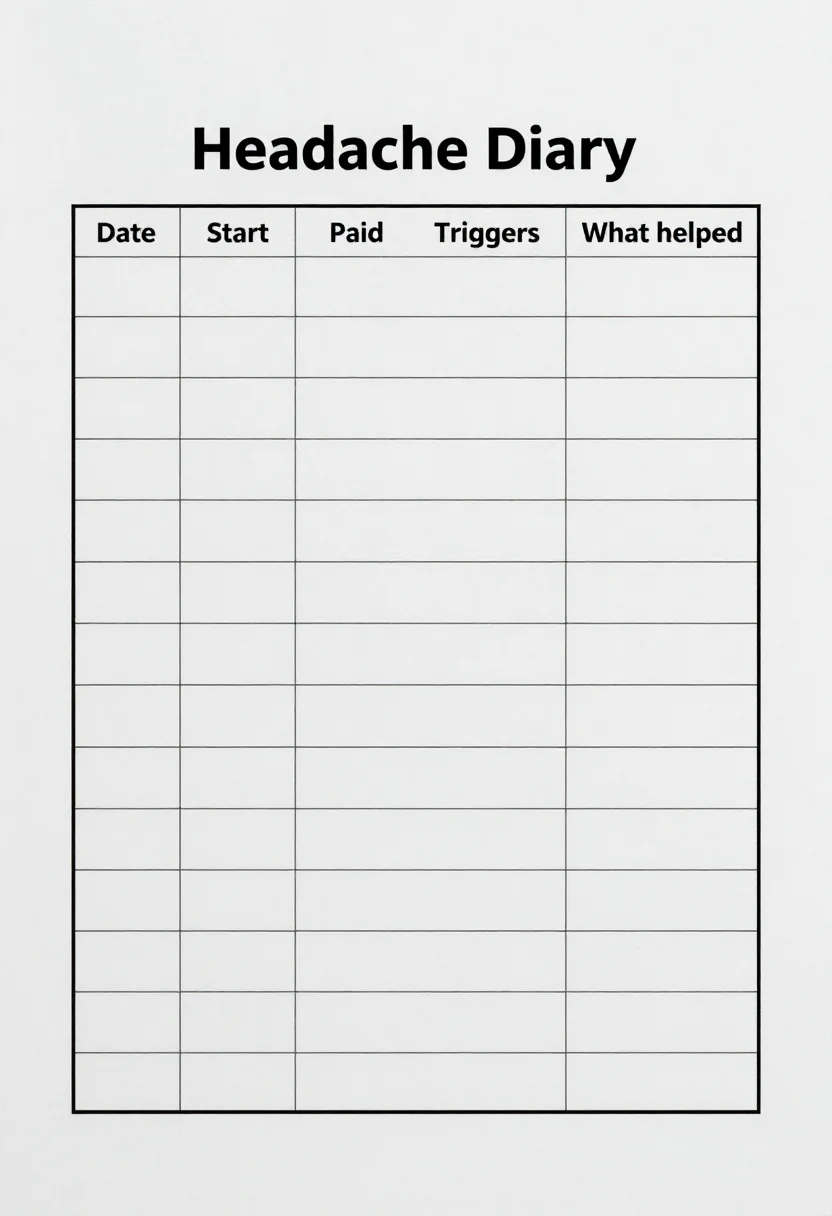
Printable symptom trackers for people with a long illness or an unexplained complaint who want to show a doctor what happened and when. The nine pictures are blank pages: a daily log, a monthly grid with 31 numbered days, and a For My Doctor page with large boxes for symptoms, timing and questions. Every cell is empty. Type a change, such as pain or fatigue, and the layout follows the request.
- a daily record for a doctor's appointment
- a monthly view of symptoms by day
- a page to prepare questions before a visit
- a large-print copy for easier writing
Frequently asked questions
- Does the tracker say what a symptom means?
- No. It is a blank form and prints no diagnosis, values or ranges.
- What are the three pages?
- A daily log, a monthly grid of 31 days with rows for symptoms, and a For My Doctor page with four large boxes.
- Can I focus it on one symptom?
- Yes. Type the change you want, such as pain or fatigue, and the layout follows the request.
- How do the styles differ?
- Clean clinical uses thin black lines with an indigo accent, soft calm uses lavender and soft blue rounded boxes, and large print uses thick lines and big boxes.
About toile
This page is a showcase and a starting point: nine samples already rendered, three readings of the pack crossed with three styles, each shown at the size and ratio it was made for. Take any of them further on the wall with a few words, or ask for all nine again under your own direction; a sign-in keeps what you make, and it is free while Toile is new. The recipe behind each sample — the subject, the style, the palette, the framing — travels with the image rather than staying private to the render: it is in the alt text of every sample and in the page's own structured data, so a search engine reads the same handles a person would.