/talavera · ornament
Talavera pattern: milky glaze, mineral colour
Make your ownTalavera
Describe yours. We'll remake the whole pack your way.
More like this
the whole catalog →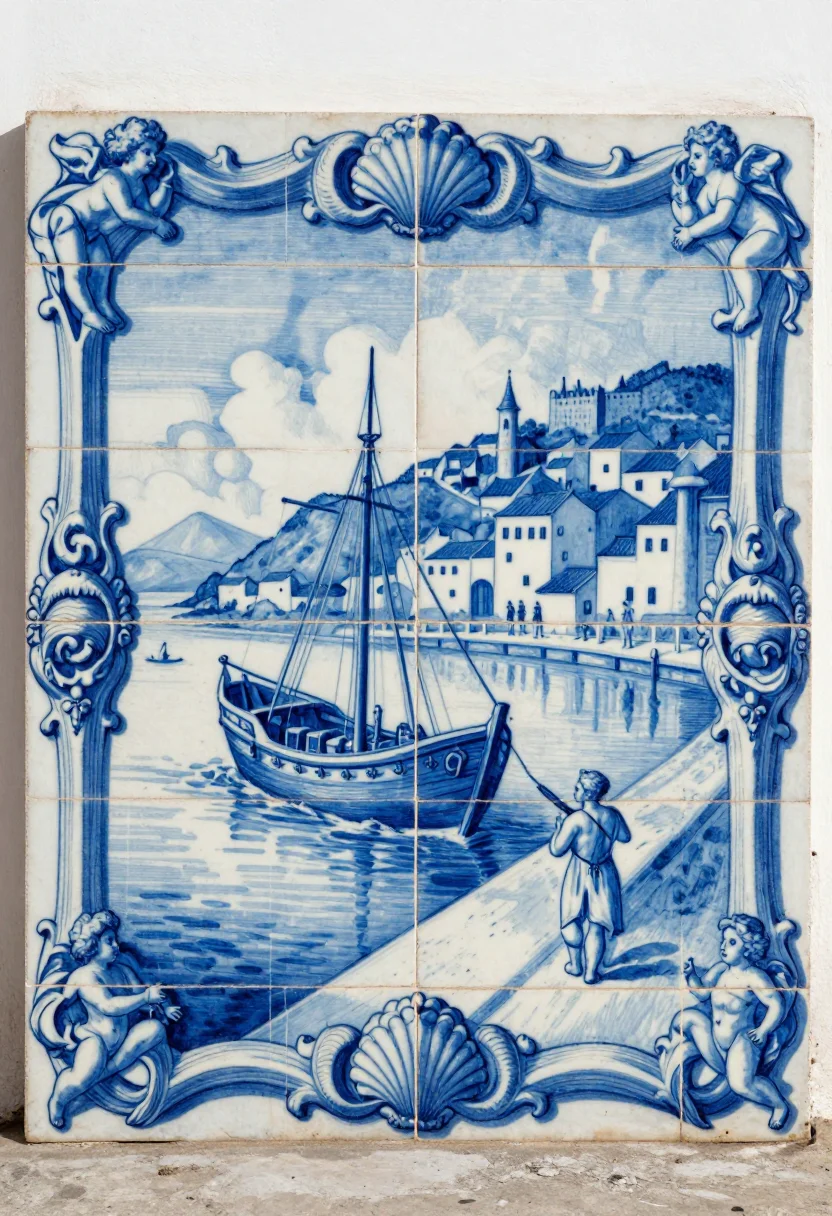
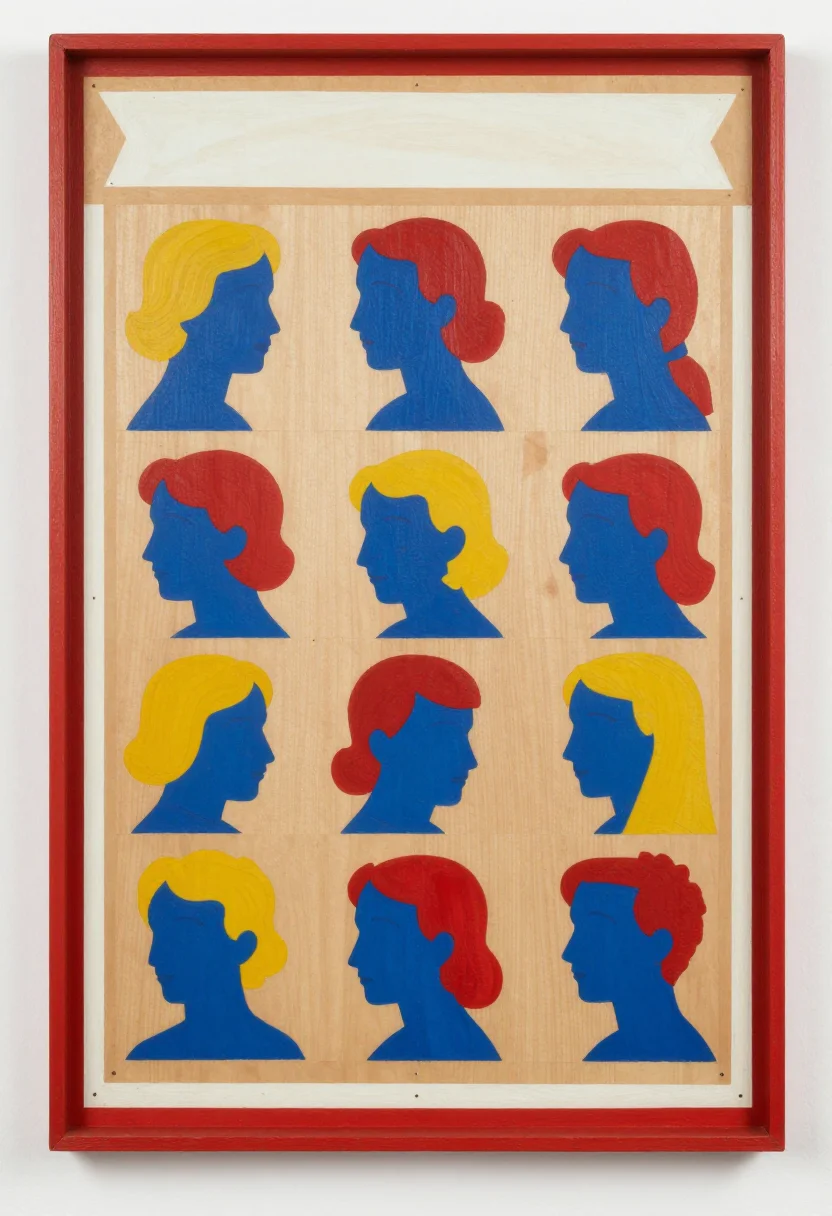
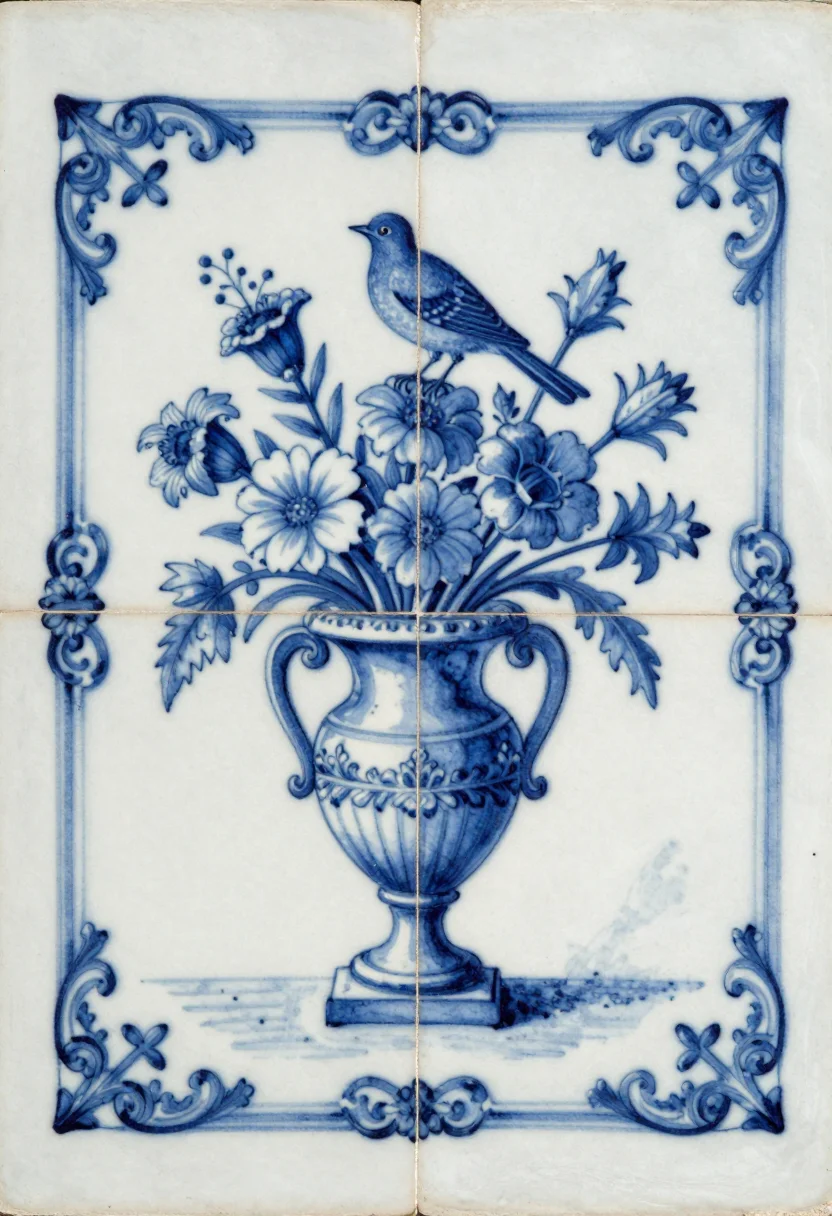
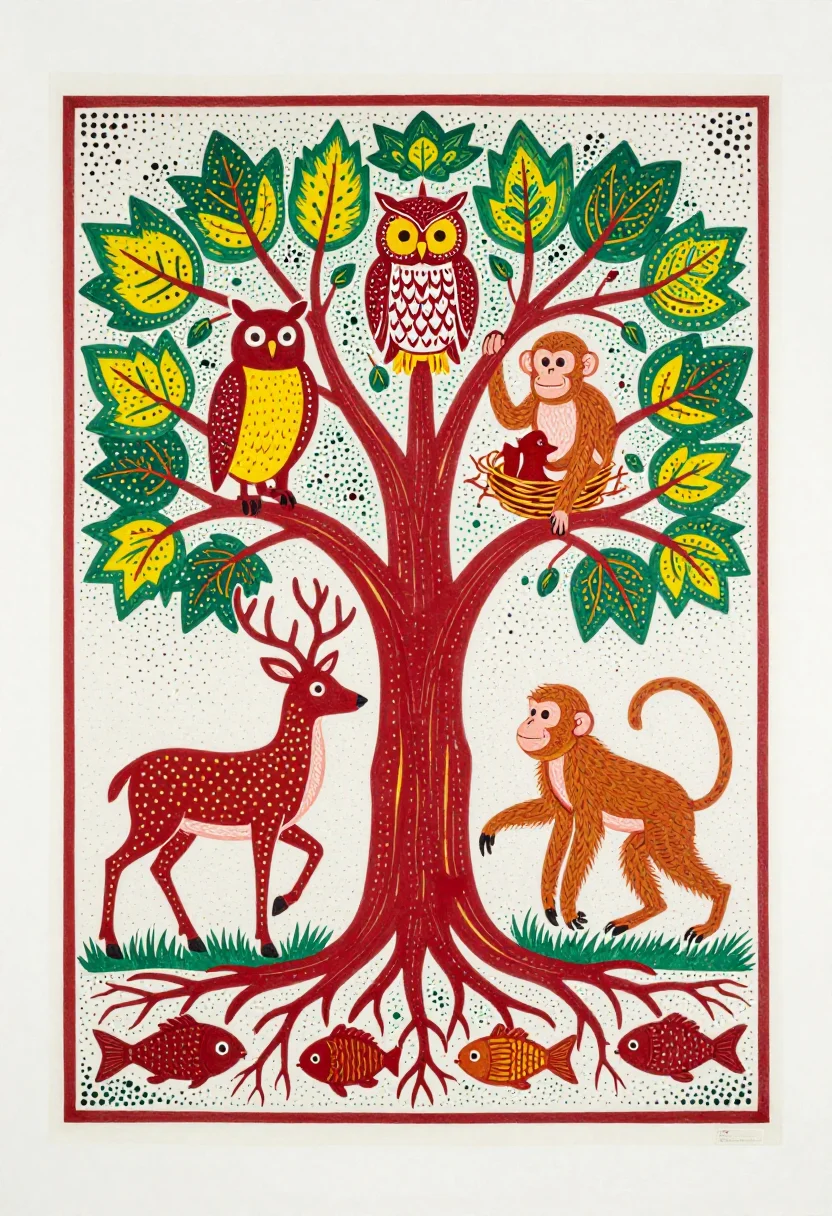
every sample — three subjects, three styles ↓
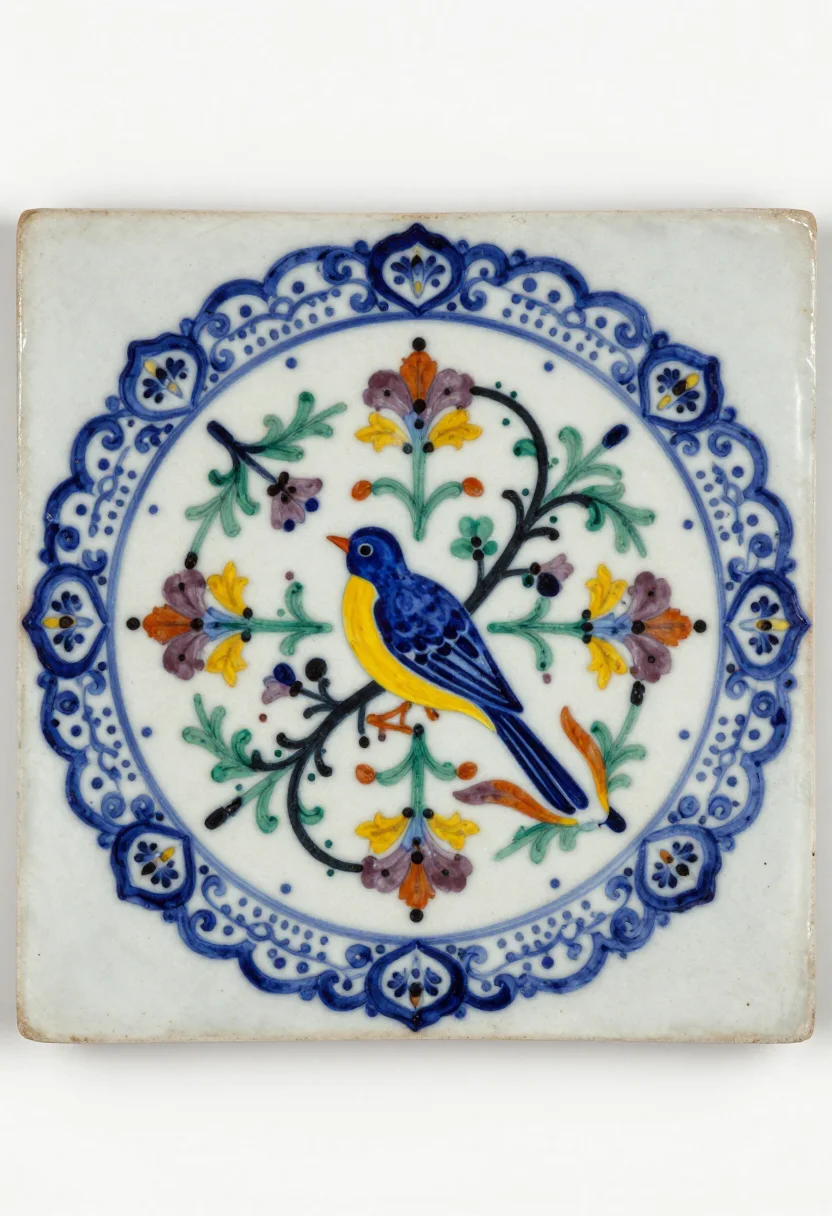
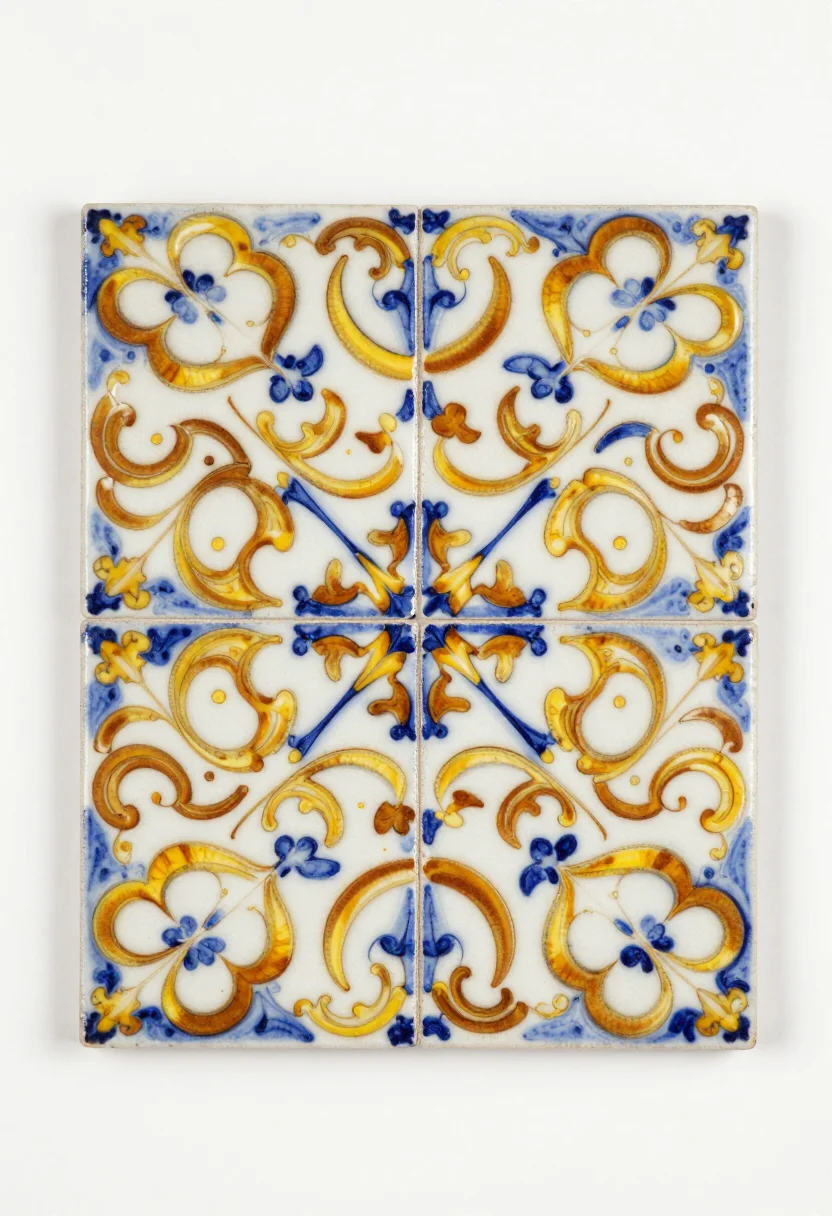
Talavera poblana is tin-glazed earthenware from Puebla: a milky, slightly uneven white, only six permitted colours and all of them from mineral pigment. The painting sinks a little into the raw glaze as it fires, so every line ends up with a soft blurred edge. These nine render a floral motif across three mineral colorways. Ask for a different motif — a bird, a geometric border, a fruit design — and the same soft-edge structure carries it.
- a tile mockup for a renovation
- a pottery or ceramics reference image
- a gift print for a heritage-conscious buyer
- a home decor moodboard
Frequently asked questions
- What size do these print at?
- Each pattern is a seamless repeat scaled for a standard tile format, so it tiles cleanly across a wall or a pottery surface.
- Can I get a different motif, like a bird or a fruit design?
- Yes — the direction field takes any motif, and the same soft-edge mineral-colour structure renders it.
- Why does the line look blurred?
- It mimics how real Talavera glaze fires: the painted line sinks slightly into the raw glaze in the kiln, softening every edge rather than leaving it crisp.
- Is this respectful of real Talavera traditions?
- The set draws on the Puebla talavera tradition's visual technique — mineral colour on milky tin glaze with its soft fired edge — as a style reference for a generated pattern, not a reproduction of any specific artisan's ceramics.
About toile
This page is a showcase and a starting point: nine samples already rendered, three readings of the pack crossed with three styles, each shown at the size and ratio it was made for. Take any of them further on the wall with a few words, or ask for all nine again under your own direction; a sign-in keeps what you make, and it is free while Toile is new. The recipe behind each sample — the subject, the style, the palette, the framing — travels with the image rather than staying private to the render: it is in the alt text of every sample and in the page's own structured data, so a search engine reads the same handles a person would.