/teachers-day-cards · faith
Teachers' Day cards: books and pencil, chalkboard, a note for your teacher
Make your ownTeachers' Day cards
Describe yours. We'll remake the whole pack your way.
More like this
the whole catalog →

every sample — three subjects, three styles ↓
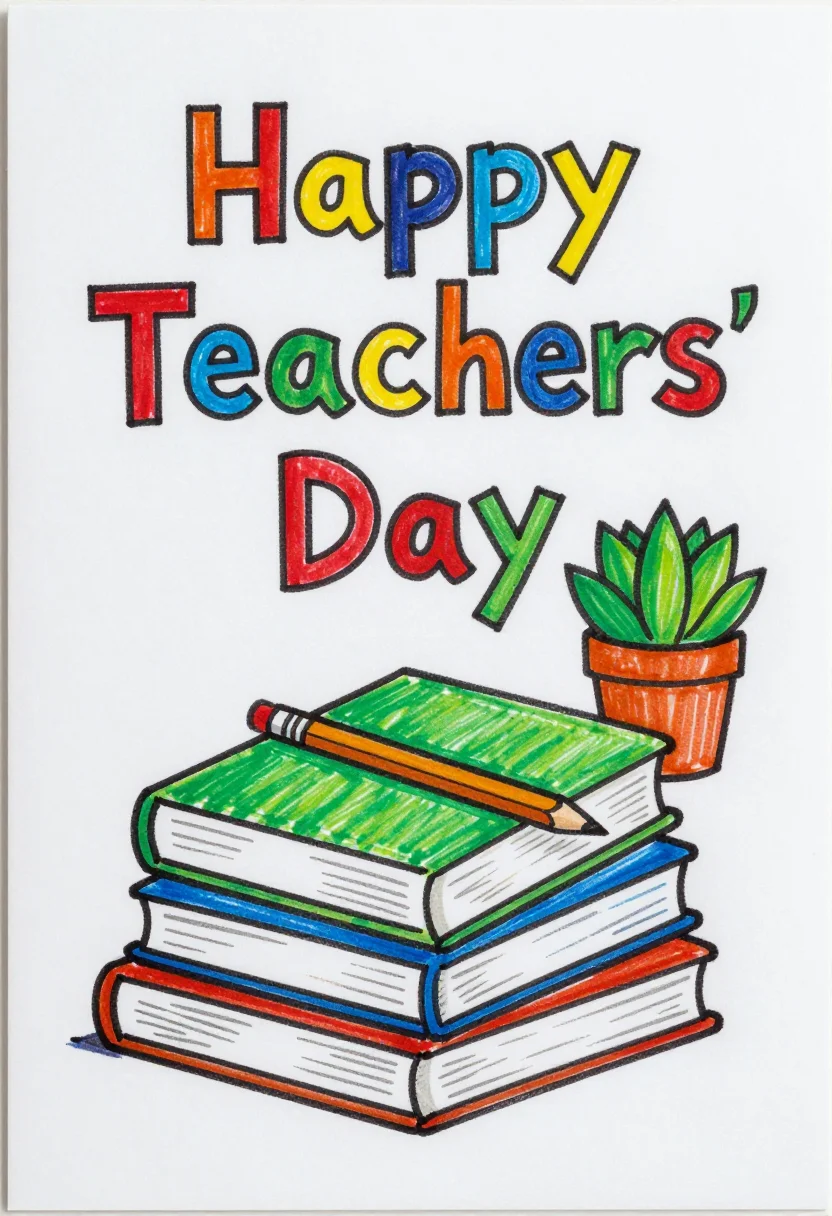
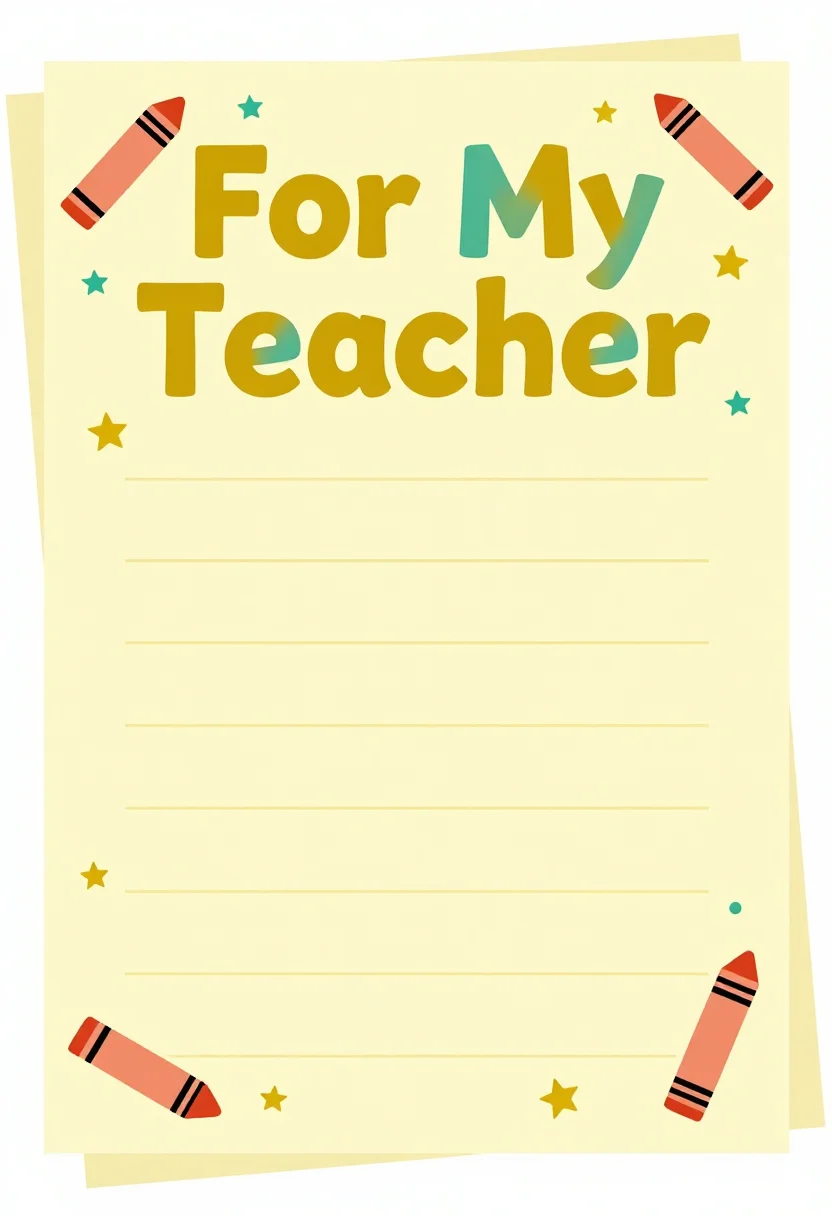
A Teachers' Day card is made or printed by a student for a teacher on 5 September in India, or on the day it falls elsewhere. These nine show a stack of books with a pencil, a green chalkboard with an apple, and a thank-you card with five blank ruled lines. Each card spells its greeting exactly, in crayon, elegant or modern flat style. Type a different greeting or language, such as Hindi, and the same styles carry it.
- a card a student makes at school
- a card printed for a class to sign
- a note for a teacher at the end of term
- a card on a school notice board
Frequently asked questions
- Where do I write my message?
- The thank-you card, For My Teacher, has five blank ruled lines. The other two cards carry a greeting only.
- Can I print it on an ordinary sheet?
- Yes. Each is a portrait card page with a wide margin, and the blank lines are left empty for writing.
- Can I ask for a Hindi greeting?
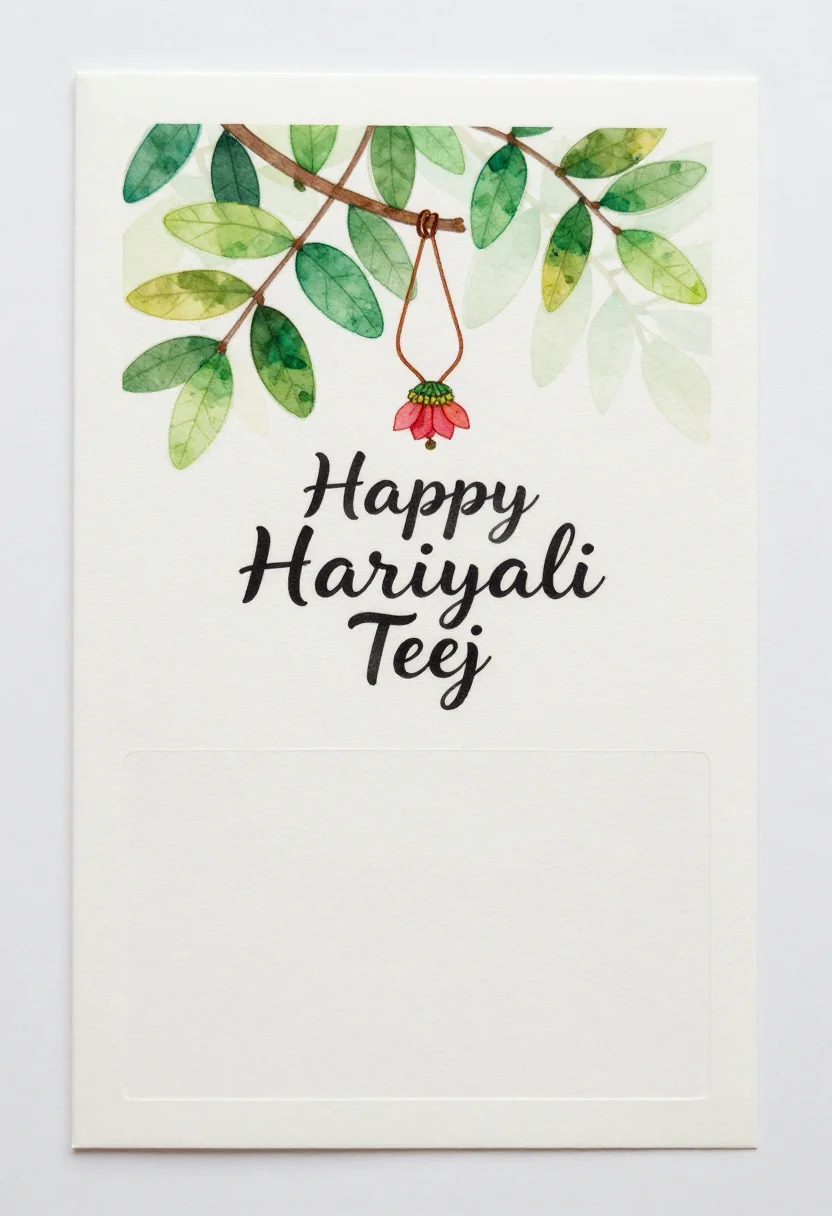
- Yes. Type the greeting you want, such as Hindi. The result is a request, not a guaranteed spelling, so check it before you print.
- What is the difference between the styles?
- Crayon is a child's marker look with bright scribbled fills. Elegant is watercolor with fine pen lines and script lettering. Modern flat uses clean shapes with no outlines and bold sans-serif letters.
About toile
This page is a showcase and a starting point: nine samples already rendered, three readings of the pack crossed with three styles, each shown at the size and ratio it was made for. Take any of them further on the wall with a few words, or ask for all nine again under your own direction; a sign-in keeps what you make, and it is free while Toile is new. The recipe behind each sample — the subject, the style, the palette, the framing — travels with the image rather than staying private to the render: it is in the alt text of every sample and in the page's own structured data, so a search engine reads the same handles a person would.