/textured-canvas-paintings · home
3D textured canvas painting: plaster waves, gold leaf, raised roses
Make your ownTextured canvas paintings
Describe yours. We'll remake the whole pack your way.
More like this
the whole catalog →
every sample — three subjects, three styles ↓
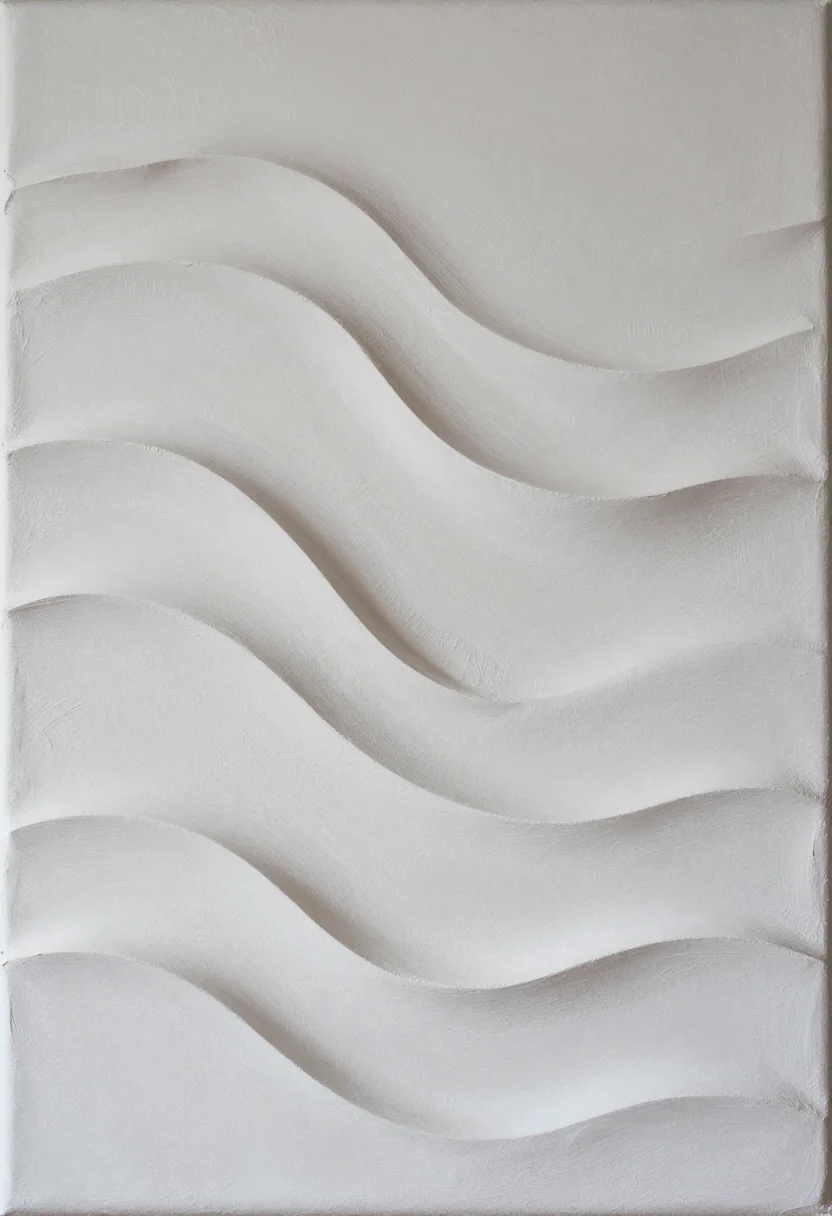
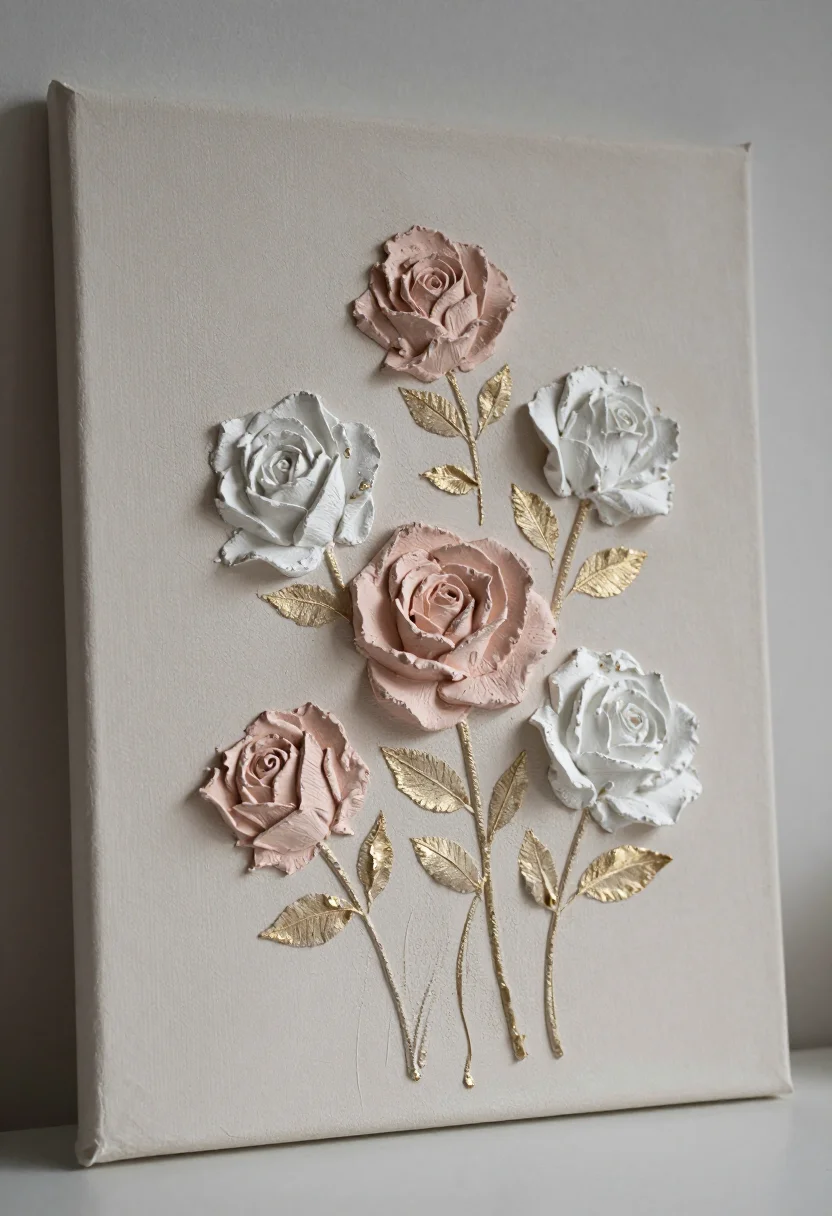
A modern textured canvas made with plaster or modelling paste, for a wall that needs relief. The three pictures show the canvas in side light: white plaster waves with soft shadows in the ridges, a beige abstract with cracks of gold leaf, and raised blush roses on a smooth neutral canvas. Each comes as sculpted plaster, a Japandi neutral or a metallic relief. Type a direction such as ocean blue or black canvas and the relief is shown that way.
- a feature wall with relief
- a bedroom with soft light
- an entrance with a sculpted look
- a neutral room that needs texture
Frequently asked questions
- Why is the light from the side?
- The pictures are lit from the side so the ridges and the shadows in the relief read clearly.
- How do the three finishes differ?
- The sculpted plaster has deep grooves beside smooth plateaus, the Japandi neutral is matte sand paste in broad arcs, and the metallic relief has gold and champagne on the ridges.
- Can I ask for a different colour?
- Yes. Type ocean blue or black canvas, and the relief is shown in that direction.
About toile
This page is a showcase and a starting point: nine samples already rendered, three readings of the pack crossed with three styles, each shown at the size and ratio it was made for. Take any of them further on the wall with a few words, or ask for all nine again under your own direction; a sign-in keeps what you make, and it is free while Toile is new. The recipe behind each sample — the subject, the style, the palette, the framing — travels with the image rather than staying private to the render: it is in the alt text of every sample and in the page's own structured data, so a search engine reads the same handles a person would.