/tree-coloring-pages · coloring
Tree coloring pages: oak tree, four seasons tree, family tree

Make your ownTree coloring pages
Describe yours. We'll remake the whole pack your way.
More like this
the whole catalog →

every sample — three subjects, three styles ↓
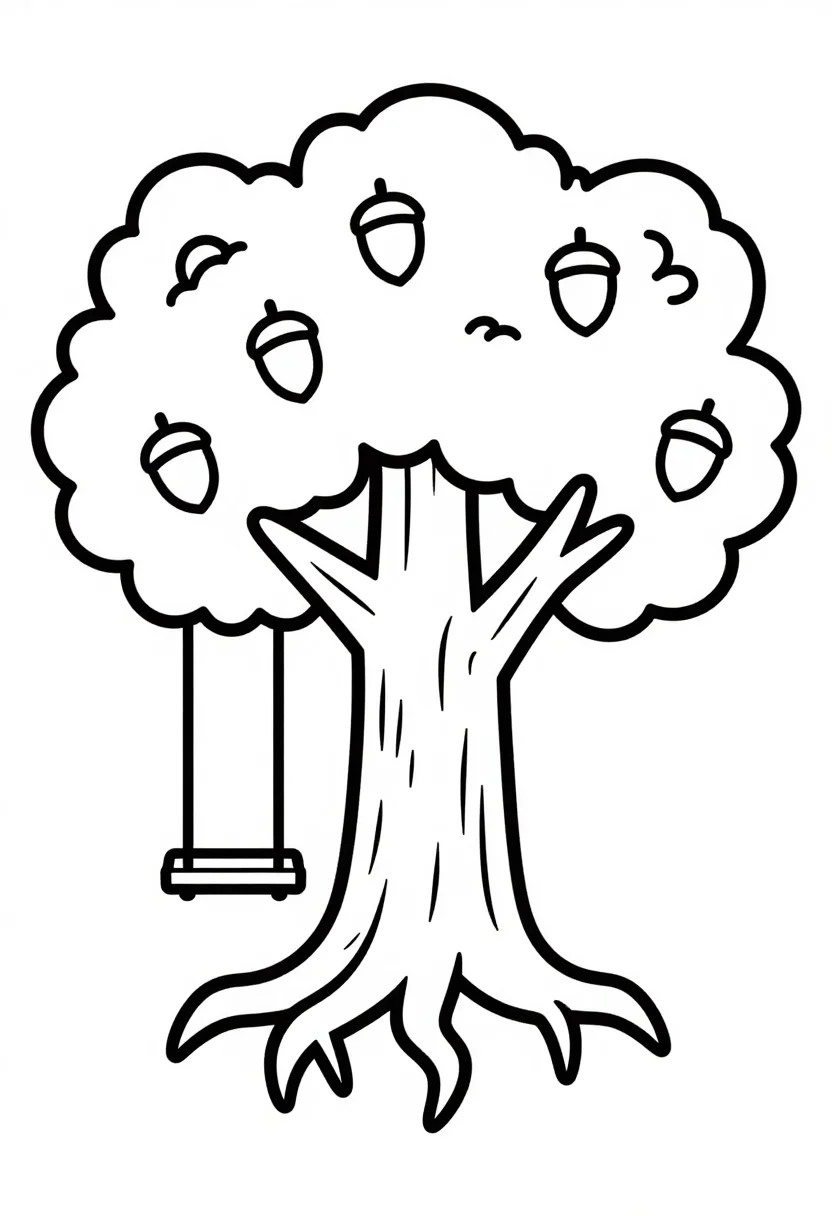
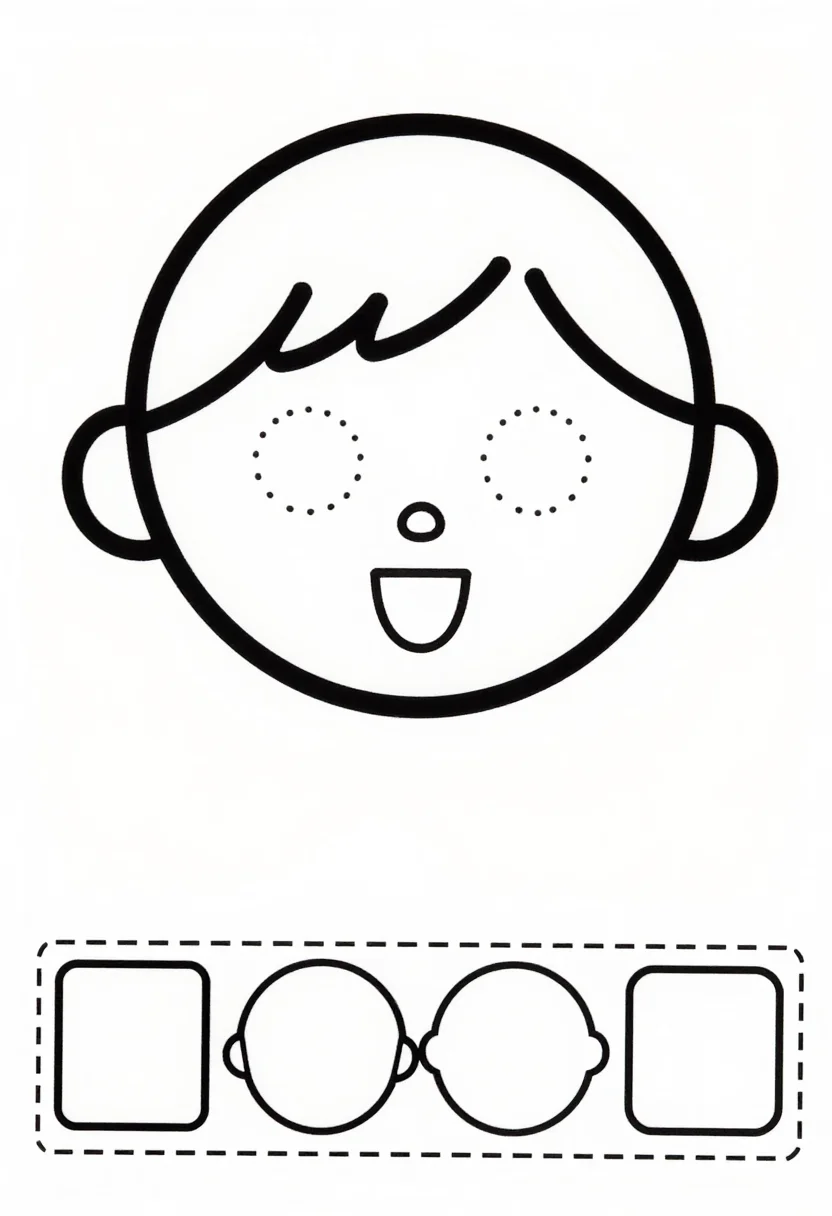
Tree coloring pages for nature lessons, family projects and calm adult coloring. The nine pages show a great oak with a swing, a tree split into the four seasons and a family tree with empty name panels to fill in. The styles are bold, fine detail and zentangle. Type a different tree, such as a palm tree or a bonsai, and the same style carries it.
- a family tree project for a school or a home
- a seasons lesson for young children
- a gift page for a grandparent with name panels
- a calm detailed page for an adult colorer
Frequently asked questions
- How does the family tree page work?
- The tree has empty name panels drawn into its branches, so the family's names can be written in as the page is colored.
- What is the difference between the styles?
- Bold uses thick outlines and large simple shapes. Fine detail closes the bark ridges, leaves and roots as small shapes, and zentangle fills the trunk and crown with repeating patterns.
- Can I ask for a different tree?
- Yes. A tree you type, such as a palm tree, a bonsai or a pine tree, is a request; the page keeps the same style but may not match it exactly.
- Are the pages in color?
- No. Each page is a black line drawing on white paper, ready to print and color.
About toile
This page is a showcase and a starting point: nine samples already rendered, three readings of the pack crossed with three styles, each shown at the size and ratio it was made for. Take any of them further on the wall with a few words, or ask for all nine again under your own direction; a sign-in keeps what you make, and it is free while Toile is new. The recipe behind each sample — the subject, the style, the palette, the framing — travels with the image rather than staying private to the render: it is in the alt text of every sample and in the page's own structured data, so a search engine reads the same handles a person would.