/water-harvesting-posters · classroom
Rainwater harvesting posters: a rooftop tank, a recharge pit, a village pond
Make your ownRainwater harvesting posters
Describe yours. We'll remake the whole pack your way.
More like this
the whole catalog →
every sample — three subjects, three styles ↓
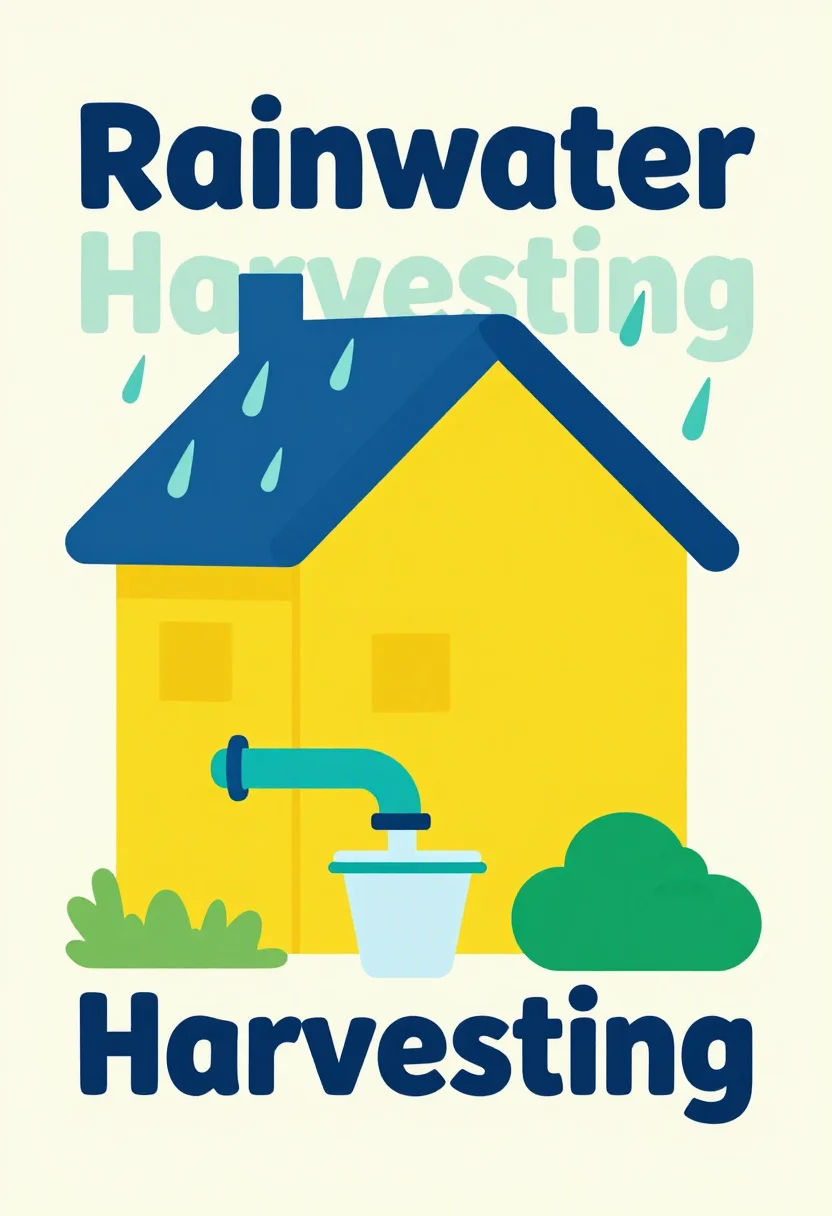
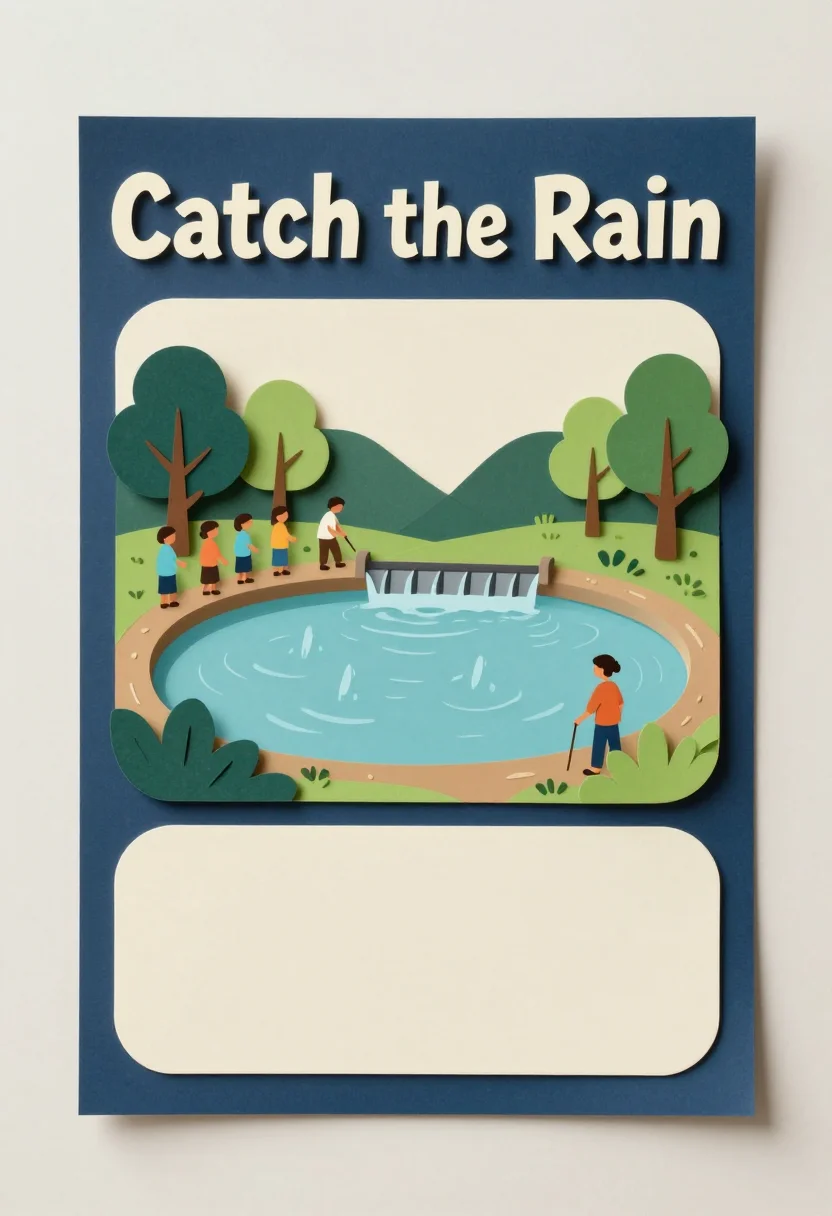
Rainwater harvesting posters for a science model, a geography project or a school competition, where judges look for how water is caught and stored. Three designs: rain running off a roof through a filter into a tank, a recharge pit in cross-section feeding a well, and villagers beside a full pond. Each comes in flat vector, crayon and paper cut. Type a direction to ask for a change; it is a request, not a guaranteed result.
- a science model display
- a geography project
- a school competition entry
- a classroom chart on water storage
Frequently asked questions
- Does the recharge pit design show the ground?
- Yes. It is a cross-section, with pebbles and sand in the pit and water going down to a well.
- What is the title of the rooftop design?
- Rainwater Harvesting.
- How do the three styles differ?
- Flat vector uses bold shapes with no outlines. Crayon looks hand-drawn in wax with uneven fills. Paper cut is layered paper with crisp edges and soft shadows between the layers.
About toile
This page is a showcase and a starting point: nine samples already rendered, three readings of the pack crossed with three styles, each shown at the size and ratio it was made for. Take any of them further on the wall with a few words, or ask for all nine again under your own direction; a sign-in keeps what you make, and it is free while Toile is new. The recipe behind each sample — the subject, the style, the palette, the framing — travels with the image rather than staying private to the render: it is in the alt text of every sample and in the page's own structured data, so a search engine reads the same handles a person would.