/wedding-menus · occasions
Wedding menus: three-course, wine pairings and stations formats in three styles
Make your ownWedding menus
Describe yours. We'll remake the whole pack your way.
More like this
the whole catalog →
every sample — three subjects, three styles ↓
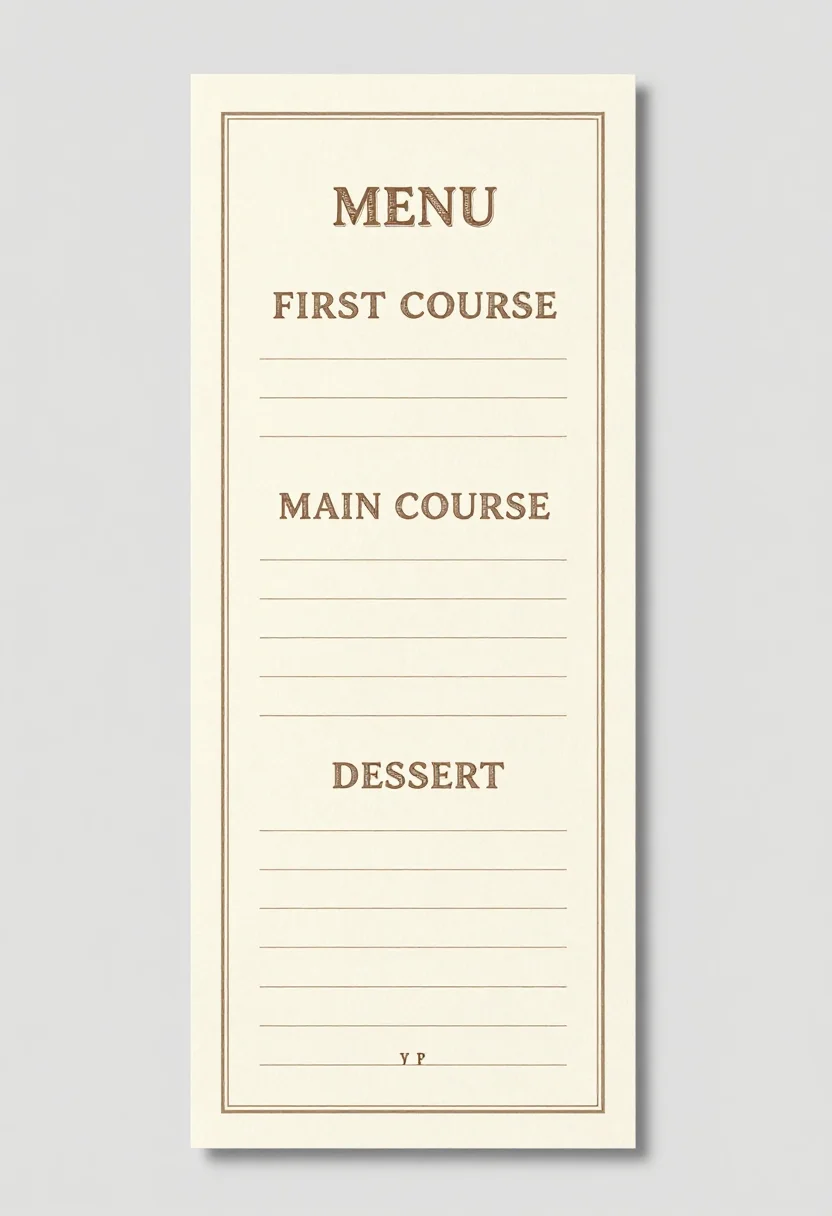
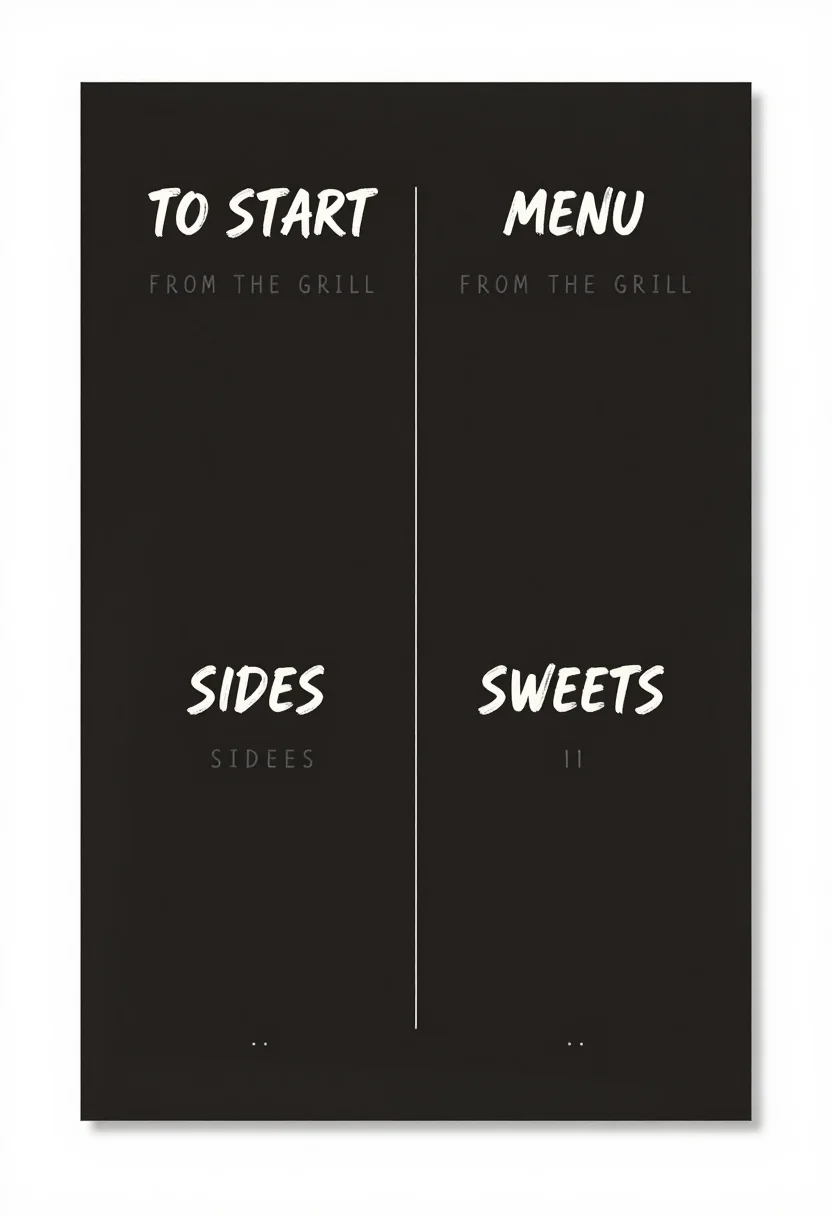
A wedding menu is a small, precise card: MENU at the top, course headers with ruled space for the dishes, the couple's initials at the foot. These nine cover a classic three-course layout, a wine-pairing column, and a stations format for a buffet-style reception — drawn on cream with a deckled edge, sage with gold, or black with white script. Ask for a vegetarian mark added, or a rehearsal-dinner version, and it redraws.
- a menu card for each place setting
- a wine-pairing menu for a seated dinner
- a stations-format menu for a buffet reception
- a rehearsal-dinner menu in the same design family
Frequently asked questions
- Do I fill in the actual dishes myself?
- Yes — the course headers and ruled lines are drawn in; the specific dishes are added afterward, by hand or in a text program.
- What size is the menu card?
- Drawn tall and narrow at portrait A4 proportions, trimmed down to the standard menu-card size that sits on a plate or table setting.
- Can I mark a vegetarian option?
- Yes — type 'with a vegetarian mark' in the direction field and a small marker is added to the layout.
- Does the menu match a wedding invitation or place-card set?
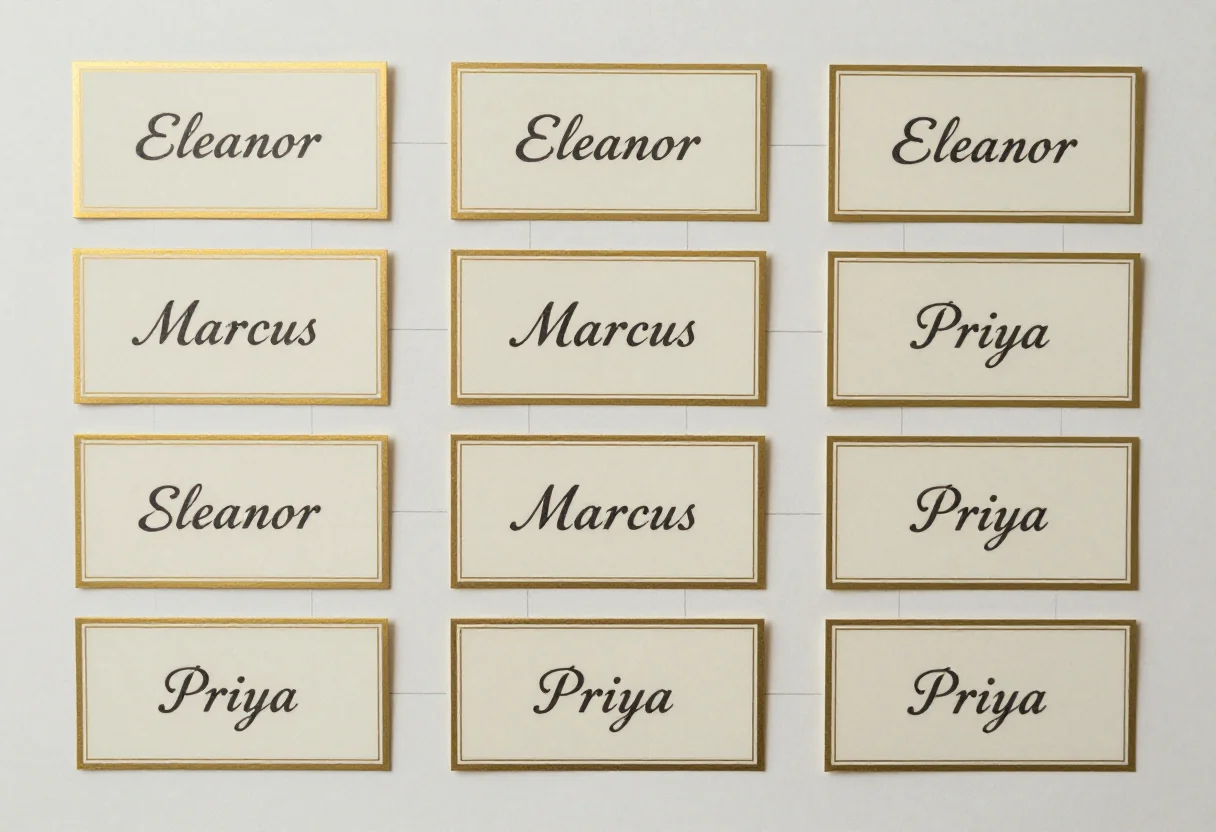
- The three finishes — deckled cream, sage and gold, black script — are drawn to sit alongside the matching place-card and save-the-date styles.
About toile
This page is a showcase and a starting point: nine samples already rendered, three readings of the pack crossed with three styles, each shown at the size and ratio it was made for. Take any of them further on the wall with a few words, or ask for all nine again under your own direction; a sign-in keeps what you make, and it is free while Toile is new. The recipe behind each sample — the subject, the style, the palette, the framing — travels with the image rather than staying private to the render: it is in the alt text of every sample and in the page's own structured data, so a search engine reads the same handles a person would.