/wig-length-charts · beauty
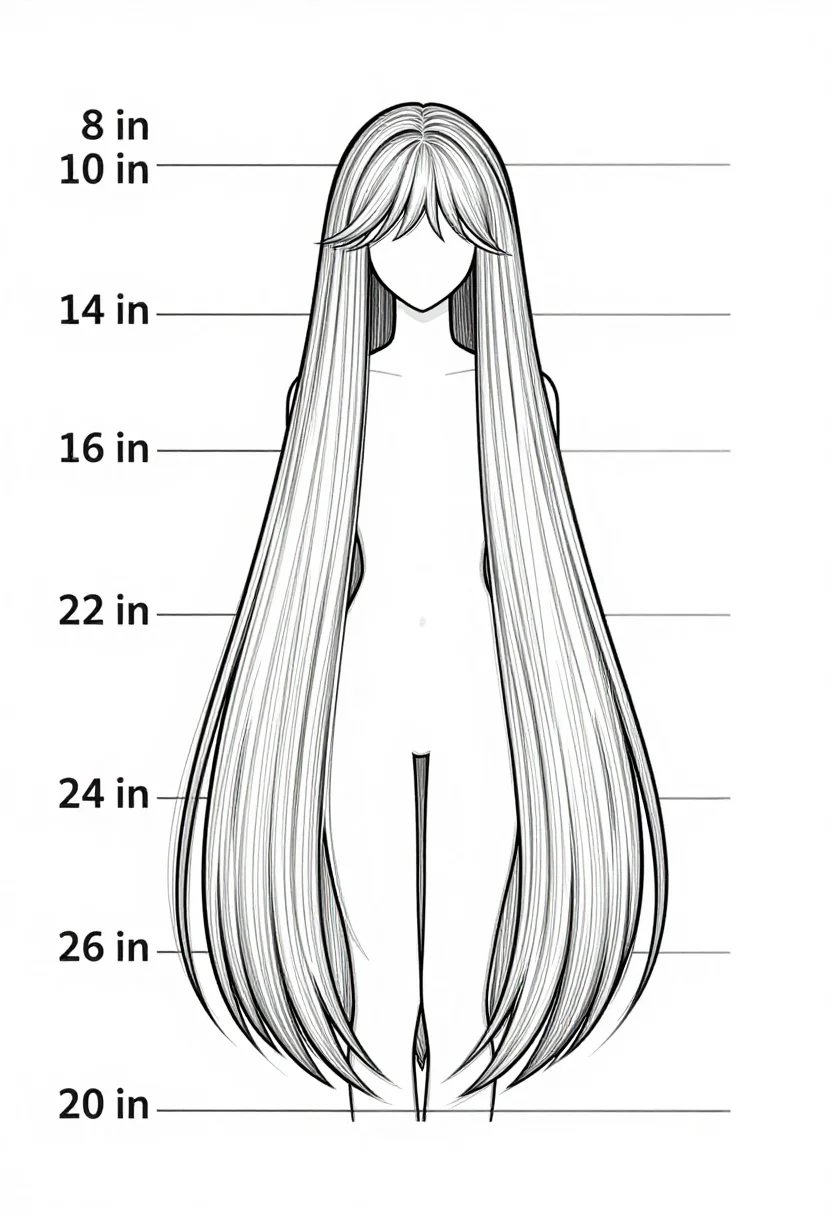
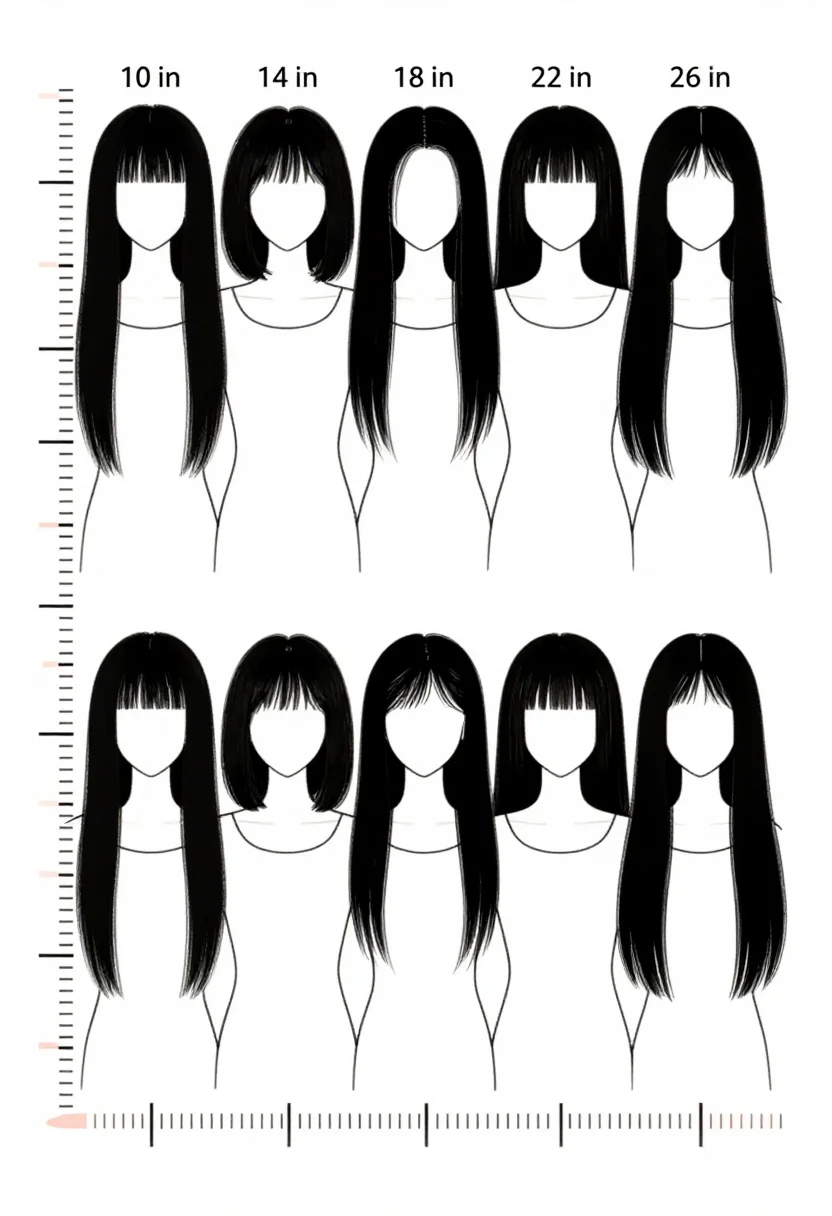
Wig length chart: straight hair, curly hair, side by side
Make your ownWig length charts
Describe yours. We'll remake the whole pack your way.
More like this
the whole catalog →

every sample — three subjects, three styles ↓
A wig length chart shows where a length in inches falls on the body, for buyers and sellers. The nine pictures show figures with hair marked at each inch: straight hair from the back, curly hair from the front, and five lengths side by side. Type a different subject or twist, such as kinky curly, and the page asks for it in the same three styles.
- checking a wig length before ordering
- describing a length to a seller or a stylist
- a reference for a wig shop
- a printed chart to keep with your wigs
Frequently asked questions
- Can I print them?
- Yes. They are drawn charts with labels, not photographs, so they print as reference sheets.
- Why do curly lengths stop at a shorter inch mark?
- The curly figure carries a note that curls sit shorter than the stretched length, so its marks run from 10 in to 22 in.
- What is the difference between the styles?
- Clean lines is black line art with flowing strands and no shading. Salon chart adds a warm brown wash to the hair. Ruler scale fills the hair solid black with a measuring ruler down the left edge.
- Can I ask for a different subject?
- Yes. Type a direction, such as kinky curly, and the page asks for that subject in the same three styles. It is a request, not a guaranteed result.
About toile
This page is a showcase and a starting point: nine samples already rendered, three readings of the pack crossed with three styles, each shown at the size and ratio it was made for. Take any of them further on the wall with a few words, or ask for all nine again under your own direction; a sign-in keeps what you make, and it is free while Toile is new. The recipe behind each sample — the subject, the style, the palette, the framing — travels with the image rather than staying private to the render: it is in the alt text of every sample and in the page's own structured data, so a search engine reads the same handles a person would.