/world-building-sheets · tabletop
World building sheets: kingdom sheet, city sheet, pantheon sheet
Make your ownWorld building sheets
Describe yours. We'll remake the whole pack your way.
More like this
the whole catalog →
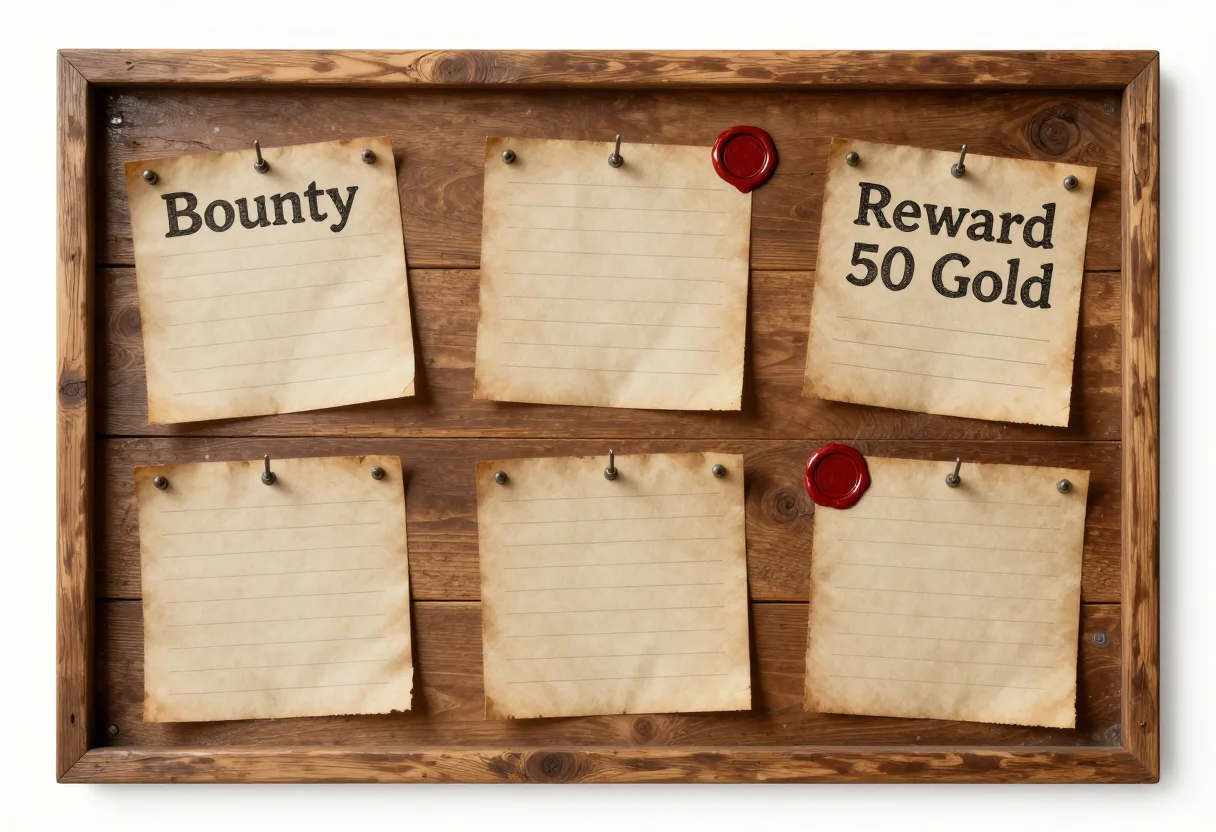
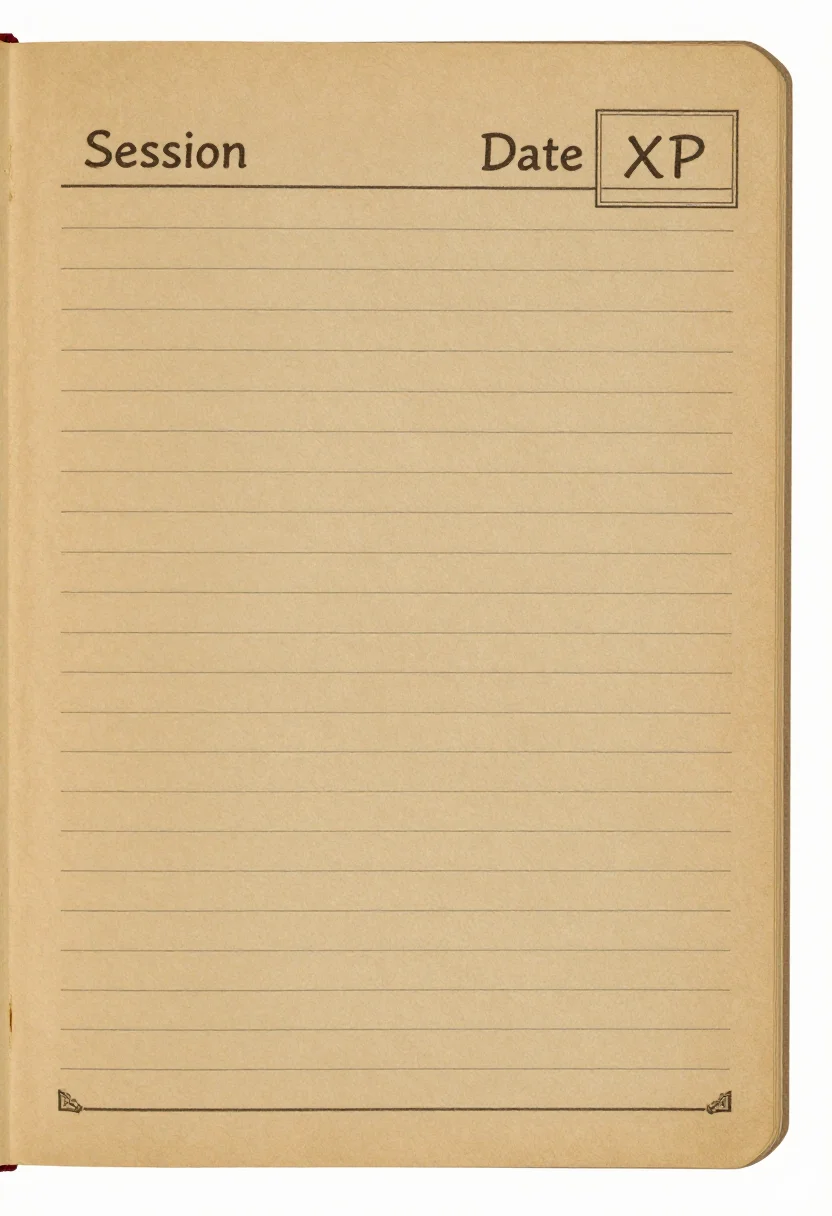
every sample — three subjects, three styles ↓
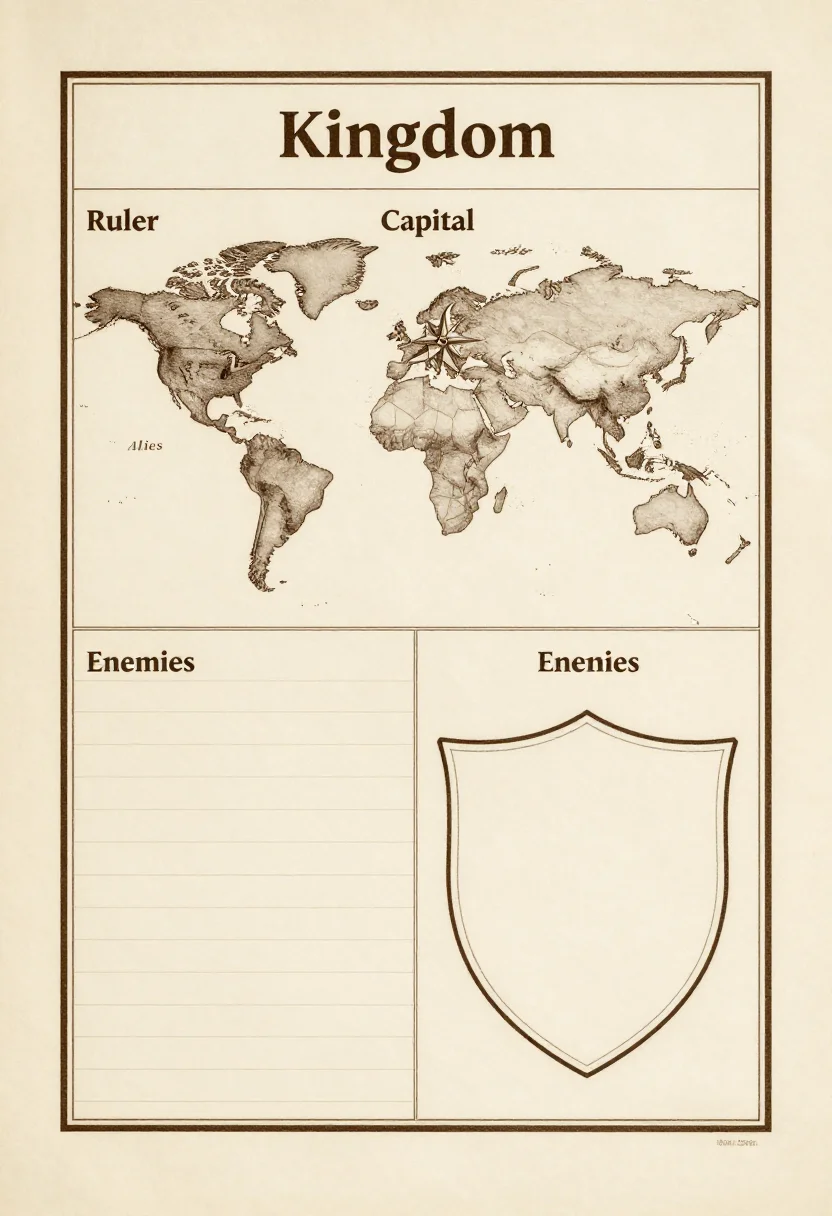
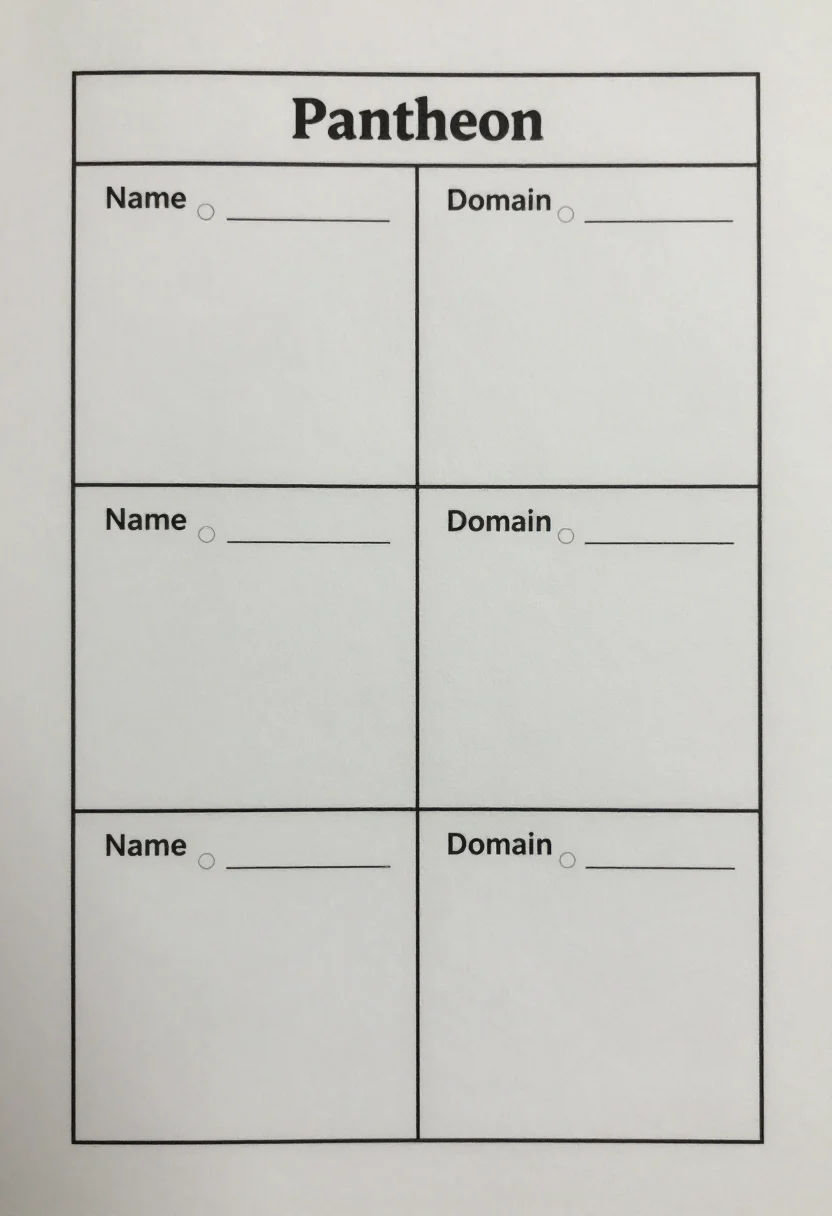
Writers and game masters fill in these sheets to build a setting piece by piece: a kingdom, a city or a pantheon. This pack shows a kingdom sheet with an empty heraldry shield, a city sheet with a large map box, and a pantheon sheet with six boxes for gods. Each comes as an old atlas page, a heraldic banner or a plain worksheet. Type a setting, such as a space empire, and the sheet keeps its open boxes.
- a kingdom for a campaign setting
- a city map box for a town the party visits
- a pantheon of gods for a game world
- a worksheet for the setting of a story
Frequently asked questions
- What do the nine pictures show?
- Three readings in three styles: a kingdom sheet, a city sheet with a map box, and a pantheon sheet of six gods.
- Is the map box empty?
- Yes. The city sheet has a large empty square map box in the upper half, for drawing the city.
- What does the heraldic style add?
- A bordered banner header, shield motifs in the corners, and deep red and gold on cream.
- What is the plain worksheet?
- Thin ruled boxes, bold headings and empty map space, in black ink only.
About toile
This page is a showcase and a starting point: nine samples already rendered, three readings of the pack crossed with three styles, each shown at the size and ratio it was made for. Take any of them further on the wall with a few words, or ask for all nine again under your own direction; a sign-in keeps what you make, and it is free while Toile is new. The recipe behind each sample — the subject, the style, the palette, the framing — travels with the image rather than staying private to the render: it is in the alt text of every sample and in the page's own structured data, so a search engine reads the same handles a person would.