/body-type-references · illustration
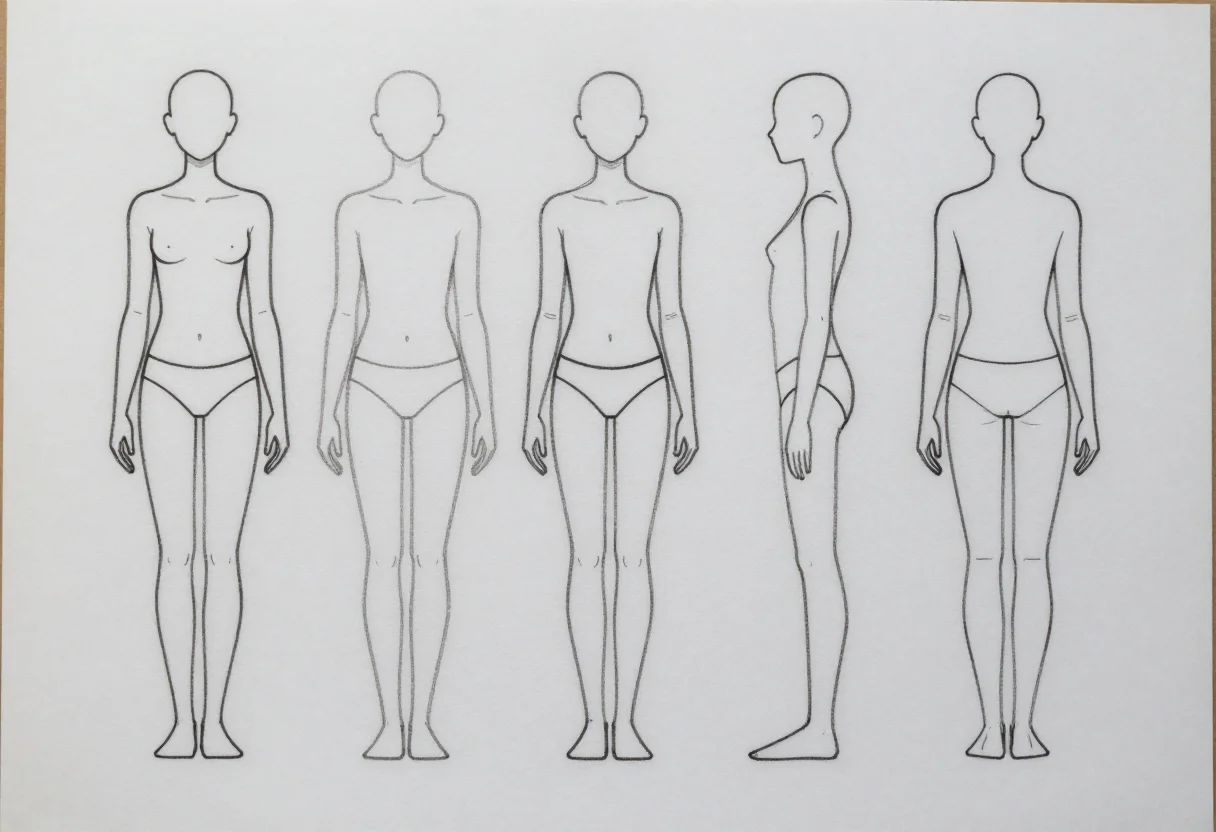
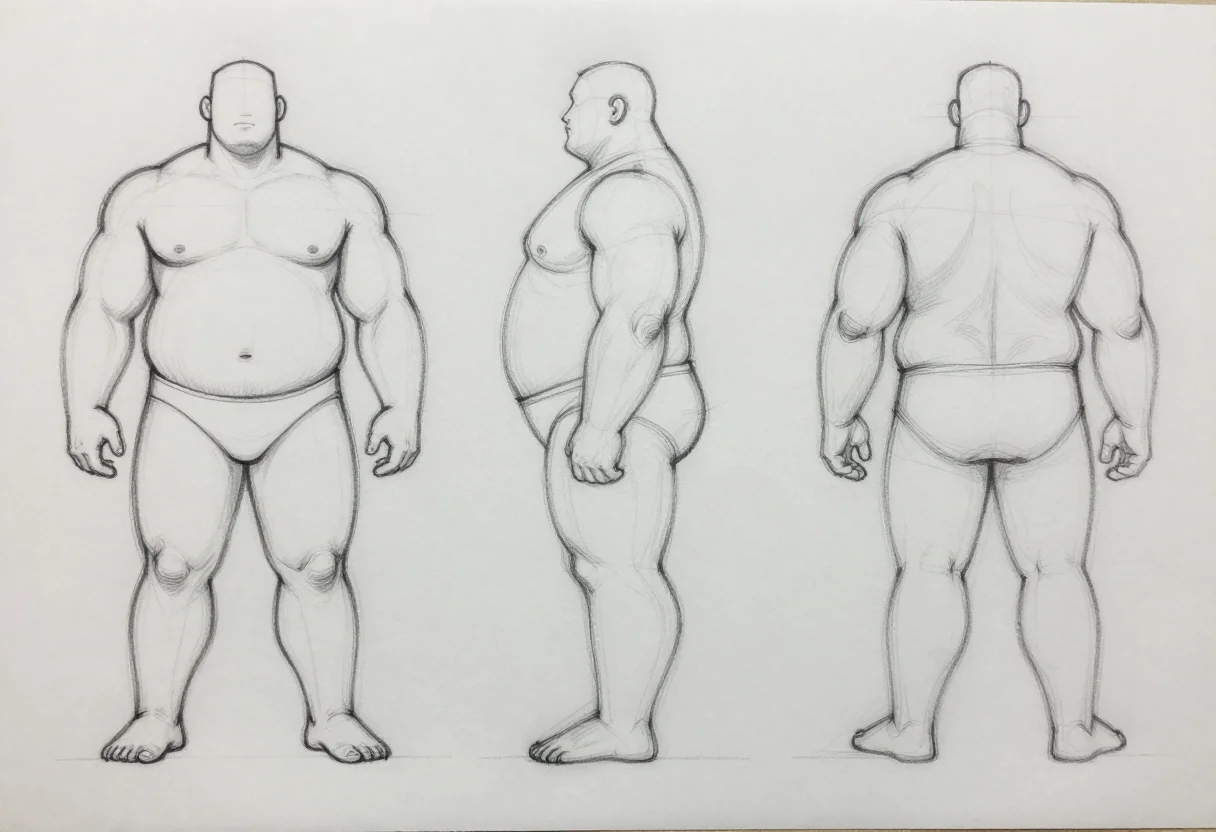
Body type reference: slim, curvy and strong figures
Make your ownBody type references
Describe yours. We'll remake the whole pack your way.
More like this
the whole catalog →
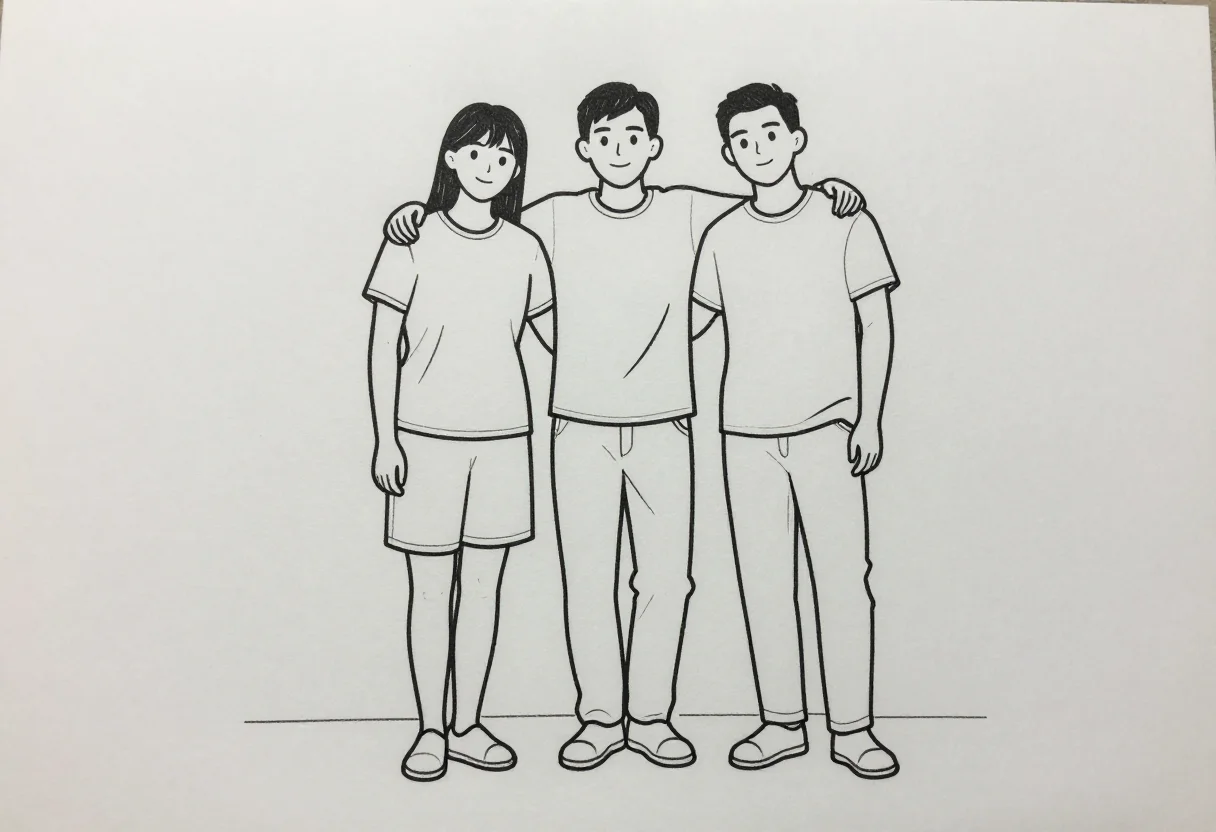
every sample — three subjects, three styles ↓
Characters are not all one shape, and each build needs its own reference. These sheets show a slim figure with long limbs, a curvy figure with soft round hips and arms, and a strong figure with a thick neck, wide chest and heavy legs. Each is drawn front, side and three-quarter, so the proportions carry from view to view. Type a different build, such as tall and thin, and the same three shapes carry it.
- a character design sheet for a cast
- a proportion study for a new figure
- a reference for body shapes in a comic
- a sketchbook page on how a body changes with build
Frequently asked questions
- What body types are shown?
- A slim figure, a curvy figure and a strong figure, each drawn from the front, the side and three-quarter.
- What is the difference between the three styles?
- Clean contour is outlines only with no shading, graphite has soft tonal shading, and gesture is a loose sketch with the construction lines left visible.
- Are these photographs?
- No. Each row is a flat drawing on a plain white page with plain underwear-style clothing and no face detail.
- Can I ask for a different build?
- Yes. Type a direction such as short and stocky or athletic, and it is a request for that, not a promised result.
About toile
This page is a showcase and a starting point: nine samples already rendered, three readings of the pack crossed with three styles, each shown at the size and ratio it was made for. Take any of them further on the wall with a few words, or ask for all nine again under your own direction; a sign-in keeps what you make, and it is free while Toile is new. The recipe behind each sample — the subject, the style, the palette, the framing — travels with the image rather than staying private to the render: it is in the alt text of every sample and in the page's own structured data, so a search engine reads the same handles a person would.