/classroom-labels · classroom
Classroom labels: supplies, library and centers in three styles
Make your ownClassroom labels
Describe yours. We'll remake the whole pack your way.
More like this
the whole catalog →
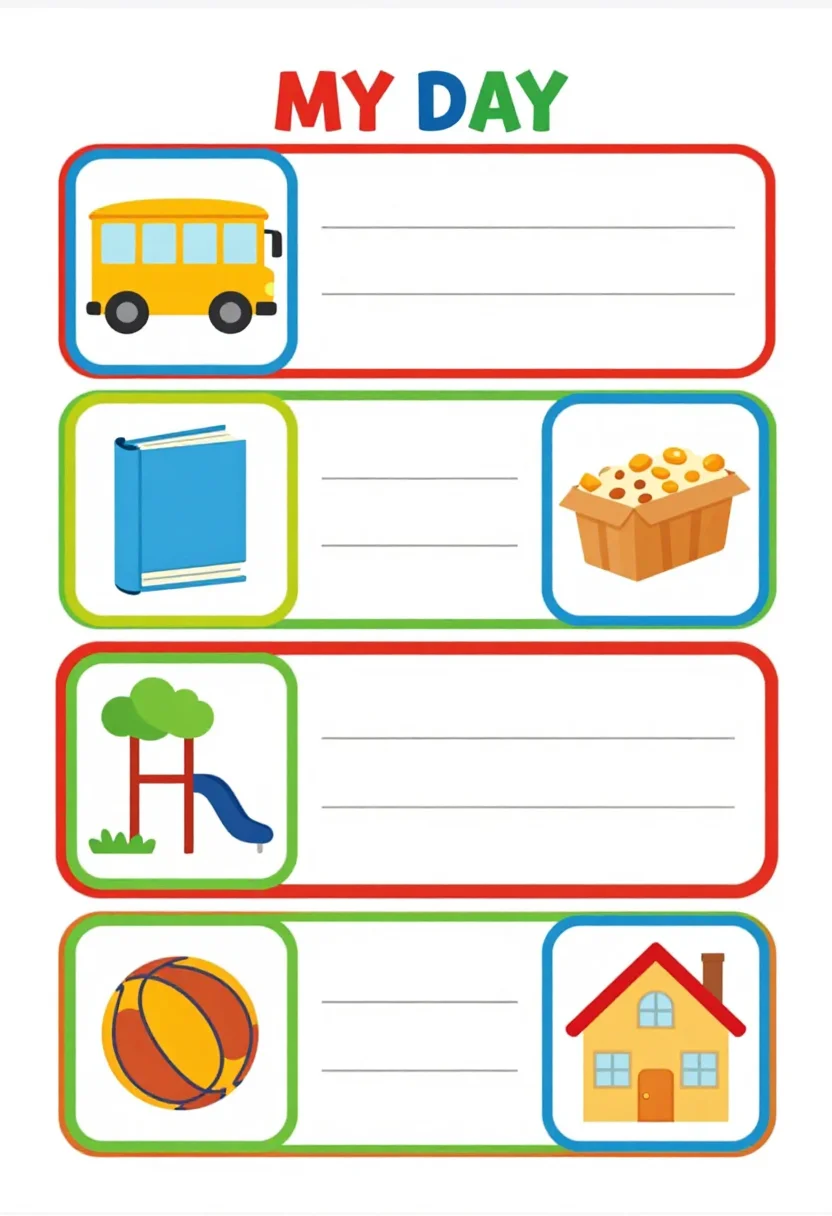
every sample — three subjects, three styles ↓
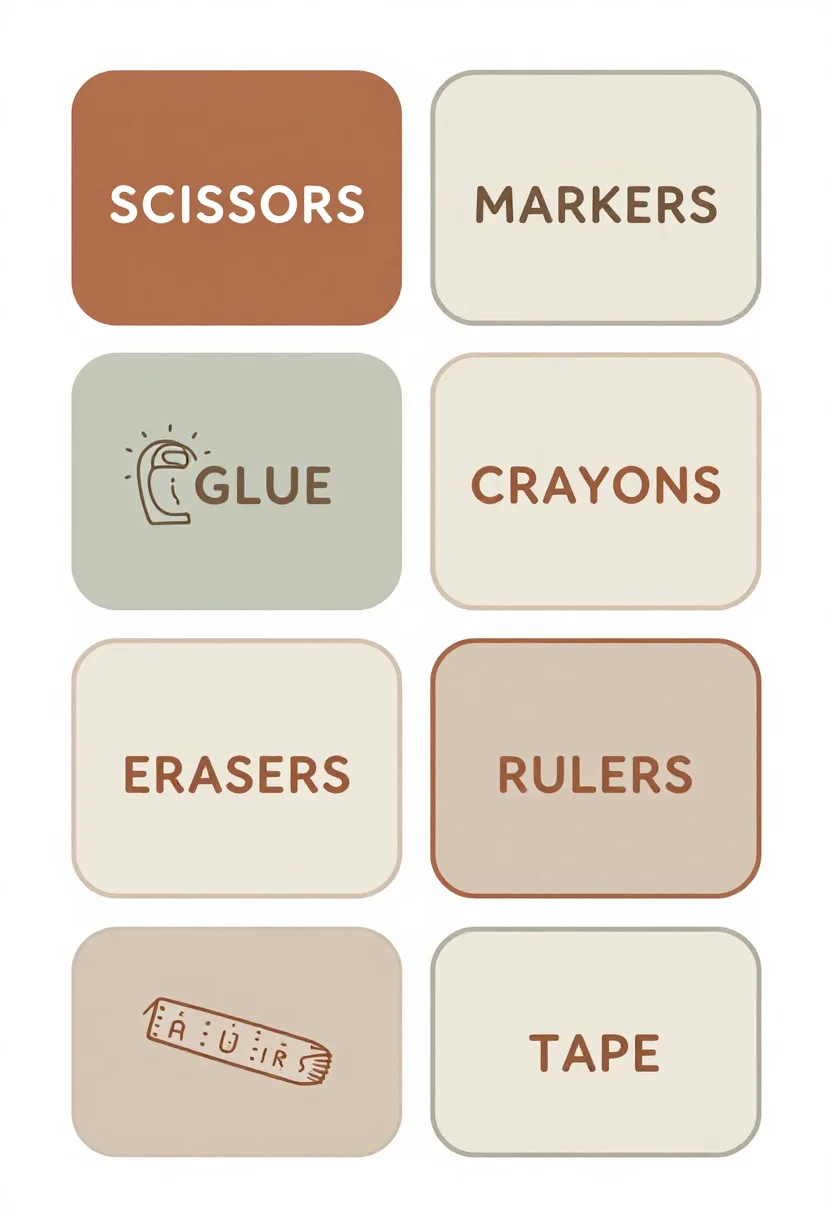
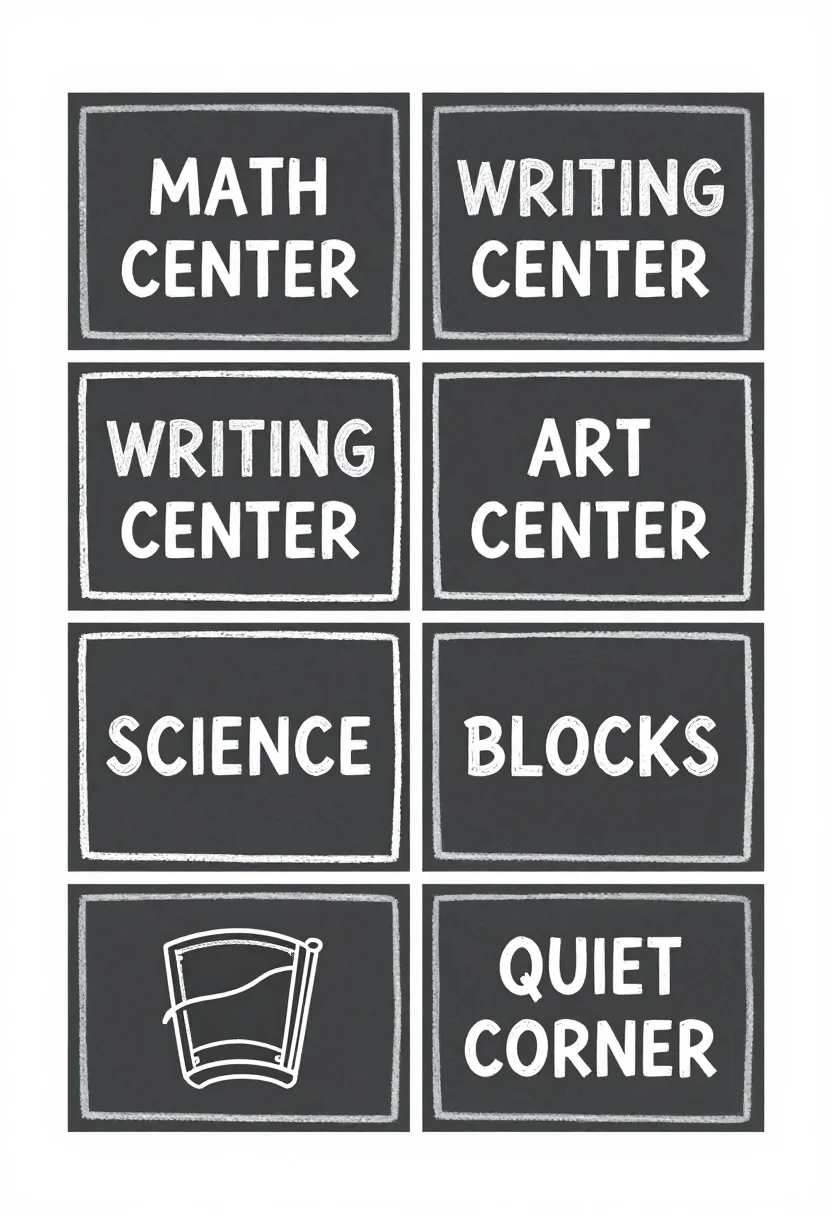
The label on every bin and shelf: SCISSORS with a picture of scissors, MARKERS, GLUE, LIBRARY BOOKS — a big word, a matching icon, one color family across the room. These nine print sheets of eight to twelve labels with cut lines, across three sets — supplies, library, centers — in three looks: boho-neutral, bright primary, chalkboard. Type a different supply or center name and the label redraws the same way.
- bin and shelf labels
- a classroom library label set
- learning-center signage
- a supply-closet organization system
Frequently asked questions
- How many labels print per sheet?
- Eight to twelve labels per sheet with cut lines, depending on the set, so one print run labels a whole shelf or bin row.
- Can I get a label for a specific item?
- Yes — type a different supply, book category or center name and it redraws in the same three styles.
- Do the labels include a picture?
- Yes — every label pairs the word with a matching icon so pre-readers can match by picture.
About toile
This page is a showcase and a starting point: nine samples already rendered, three readings of the pack crossed with three styles, each shown at the size and ratio it was made for. Take any of them further on the wall with a few words, or ask for all nine again under your own direction; a sign-in keeps what you make, and it is free while Toile is new. The recipe behind each sample — the subject, the style, the palette, the framing — travels with the image rather than staying private to the render: it is in the alt text of every sample and in the page's own structured data, so a search engine reads the same handles a person would.