/clue-cards · tabletop
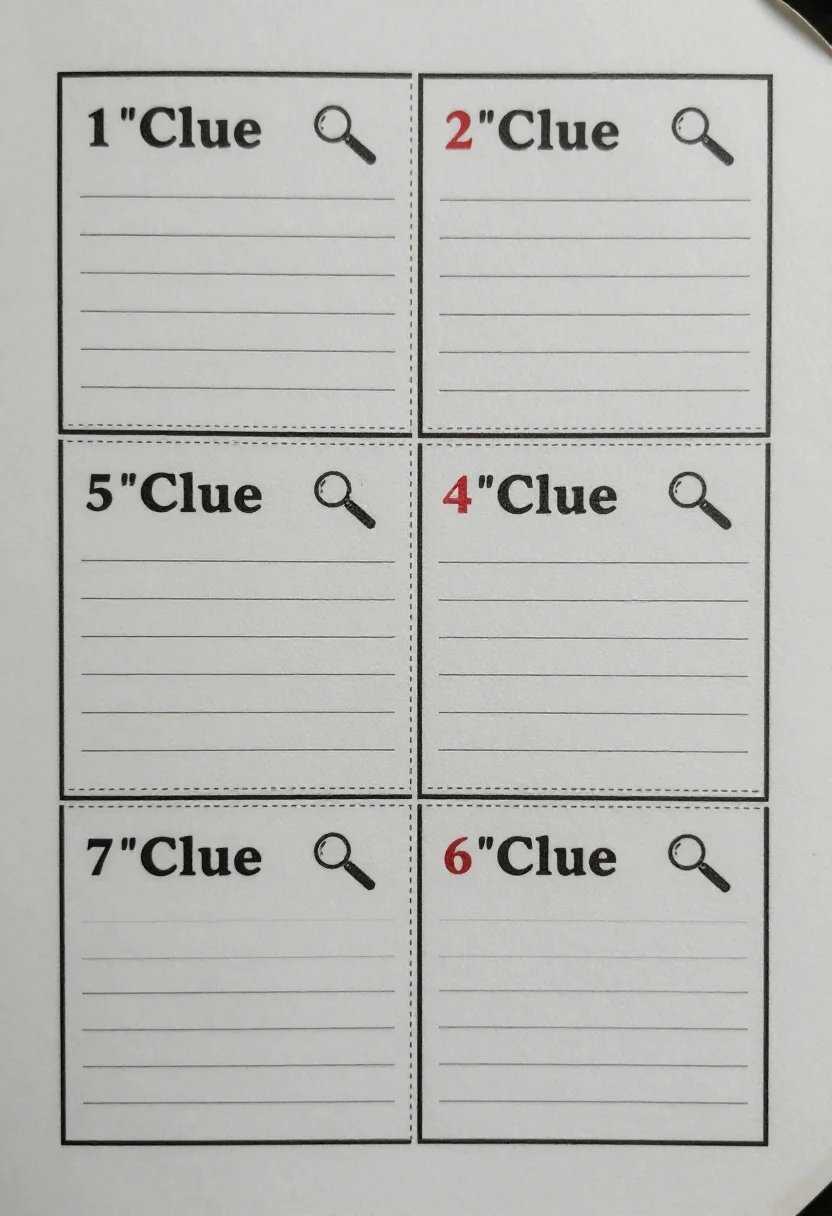
Clue cards: numbered clues, evidence card, blank clue card
Make your ownClue cards
Describe yours. We'll remake the whole pack your way.
More like this
the whole catalog →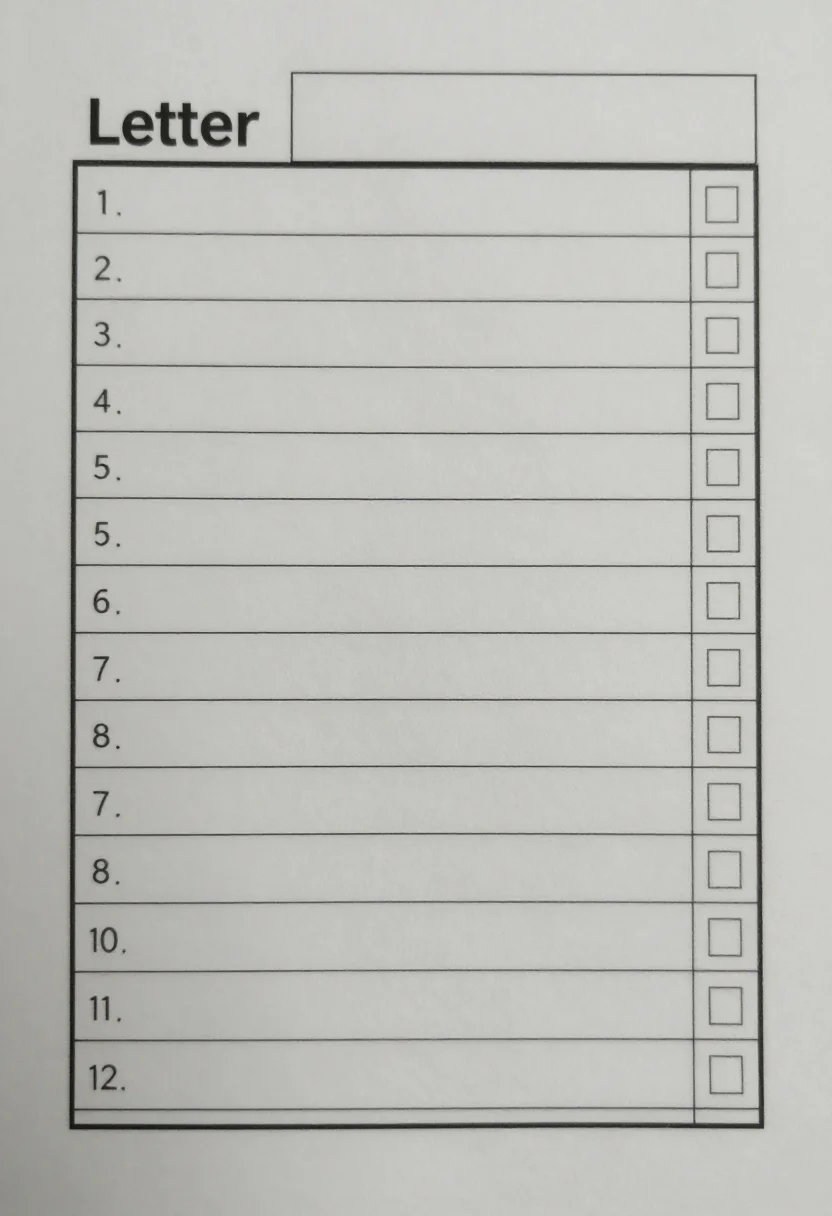
every sample — three subjects, three styles ↓
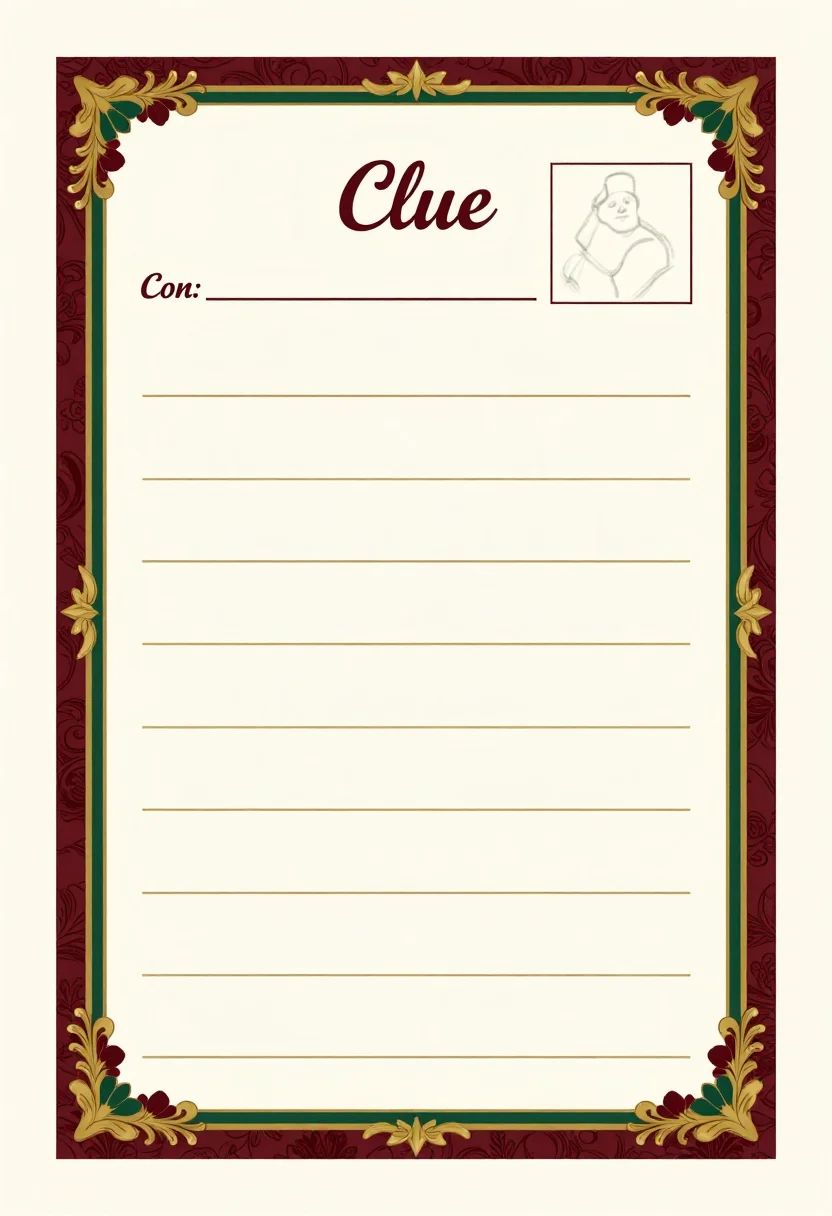
Clue cards are handed out one by one at a murder mystery party or a detective game. This pack shows a sheet of six numbered clues, an evidence card with a torn letter and a key, and a blank clue card with ruled lines. Each comes as a noir case-file look, a manila file or a parlour style. Type a setting, such as a train or a pirate ship, and the cards keep their numbers.
- clues for a murder mystery dinner
- a detective game for a family evening
- a blank clue for a plot you write
- an evidence card for an item found in the game
Frequently asked questions
- What do the nine pictures show?
- Three readings in three styles: a sheet of six numbered clue cards, a single evidence card, and a blank clue card to fill in.
- How are the clues numbered?
- The sheet shows six clue cards, each headed Clue with its number from 1 to 6, so you can hand them out in order.
- Can I write my own clues?
- Yes. The blank clue card has a title line, a small sketch box and five ruled lines for the clue.
- What is the difference between the styles?
- Noir is grey-white paper with typewriter lettering and one red stamp. Case file is manila with a tabbed folder edge. Parlour is burgundy, green and gold on ivory.
About toile
This page is a showcase and a starting point: nine samples already rendered, three readings of the pack crossed with three styles, each shown at the size and ratio it was made for. Take any of them further on the wall with a few words, or ask for all nine again under your own direction; a sign-in keeps what you make, and it is free while Toile is new. The recipe behind each sample — the subject, the style, the palette, the framing — travels with the image rather than staying private to the render: it is in the alt text of every sample and in the page's own structured data, so a search engine reads the same handles a person would.