/scattergories-sheets · tabletop
Scattergories sheets: answer sheet, category list, letter cards
Make your ownScattergories sheets
Describe yours. We'll remake the whole pack your way.
More like this
the whole catalog →
every sample — three subjects, three styles ↓
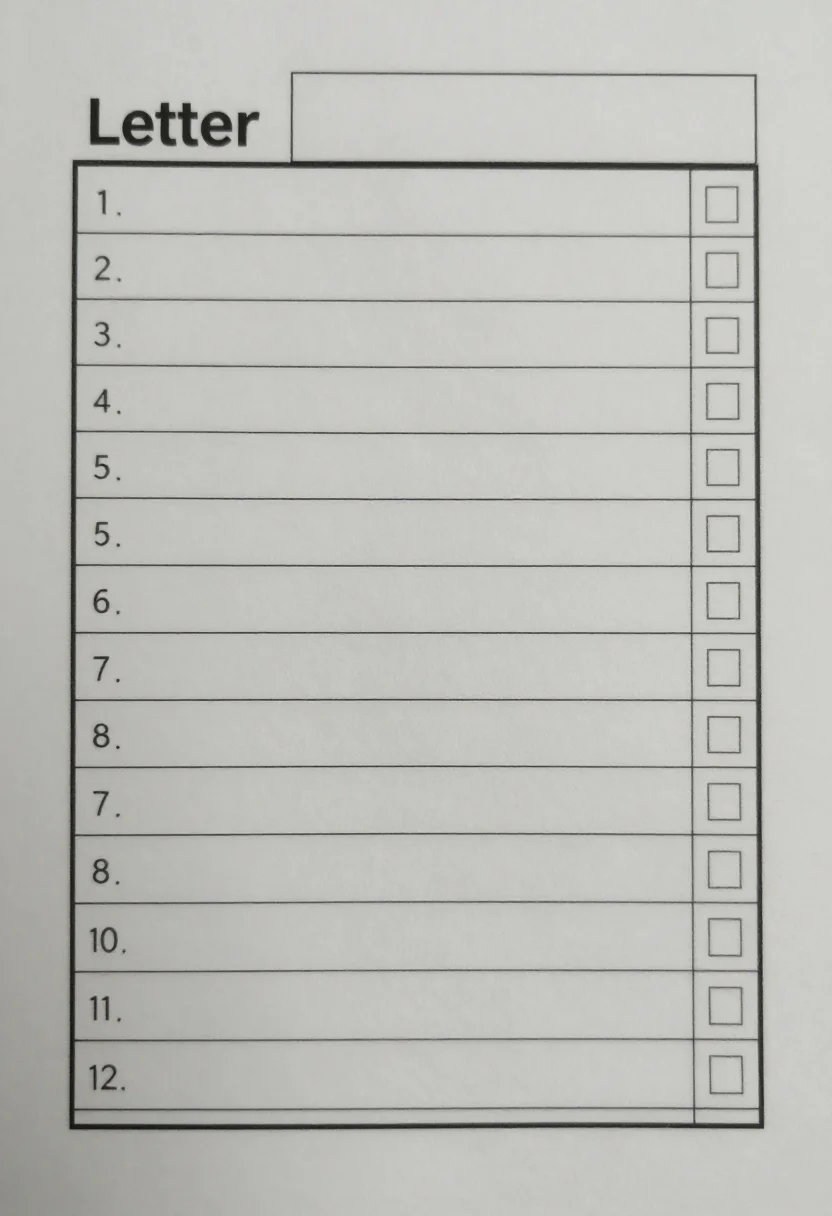
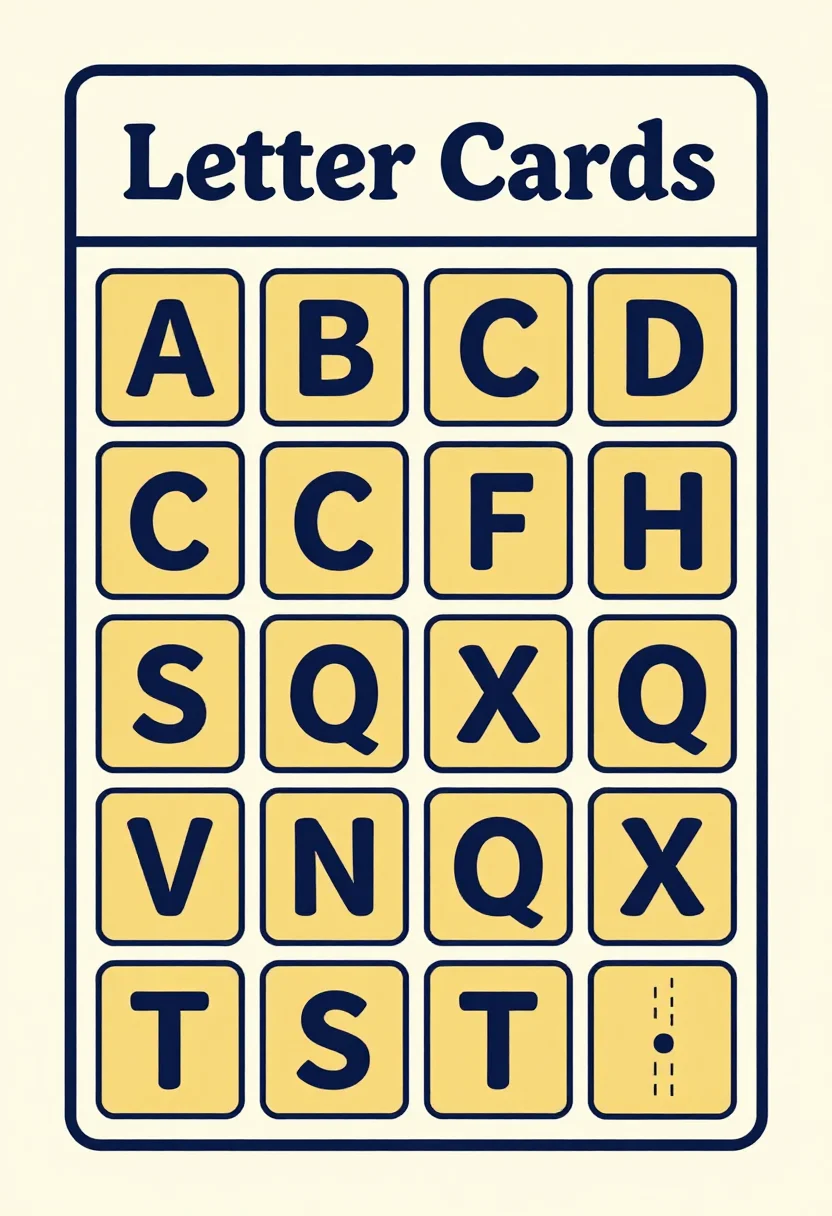
Families and classes print an answer sheet for each player in the list game where every answer starts with one letter. This pack shows an answer sheet with a letter box and 12 numbered lines, a category list, and 20 letter cards from A to T. Each comes as a clean ruled worksheet, a bright family page or a retro board look. Type a category set, such as for kids, and the sheet keeps its lines.
- a family game night
- a class list game in a lesson
- a party game with a sheet for each player
- a set of letter cards for each round
Frequently asked questions
- What do the nine pictures show?
- Three readings in three styles: a player answer sheet, a category list, and a sheet of letter cards.
- How many answer lines are on the sheet?
- 12 numbered answer lines, with three narrow score columns down the right edge.
- What are the letter cards for?
- Each round one letter is drawn and every answer starts with it; the 20 cards hold one large letter each, from A to T.
- Can I change the categories?
- Yes. The category list is a sheet of 12 numbered lines, and a set for kids or a holiday theme can be asked for.
About toile
This page is a showcase and a starting point: nine samples already rendered, three readings of the pack crossed with three styles, each shown at the size and ratio it was made for. Take any of them further on the wall with a few words, or ask for all nine again under your own direction; a sign-in keeps what you make, and it is free while Toile is new. The recipe behind each sample — the subject, the style, the palette, the framing — travels with the image rather than staying private to the render: it is in the alt text of every sample and in the page's own structured data, so a search engine reads the same handles a person would.