/constructivism · style
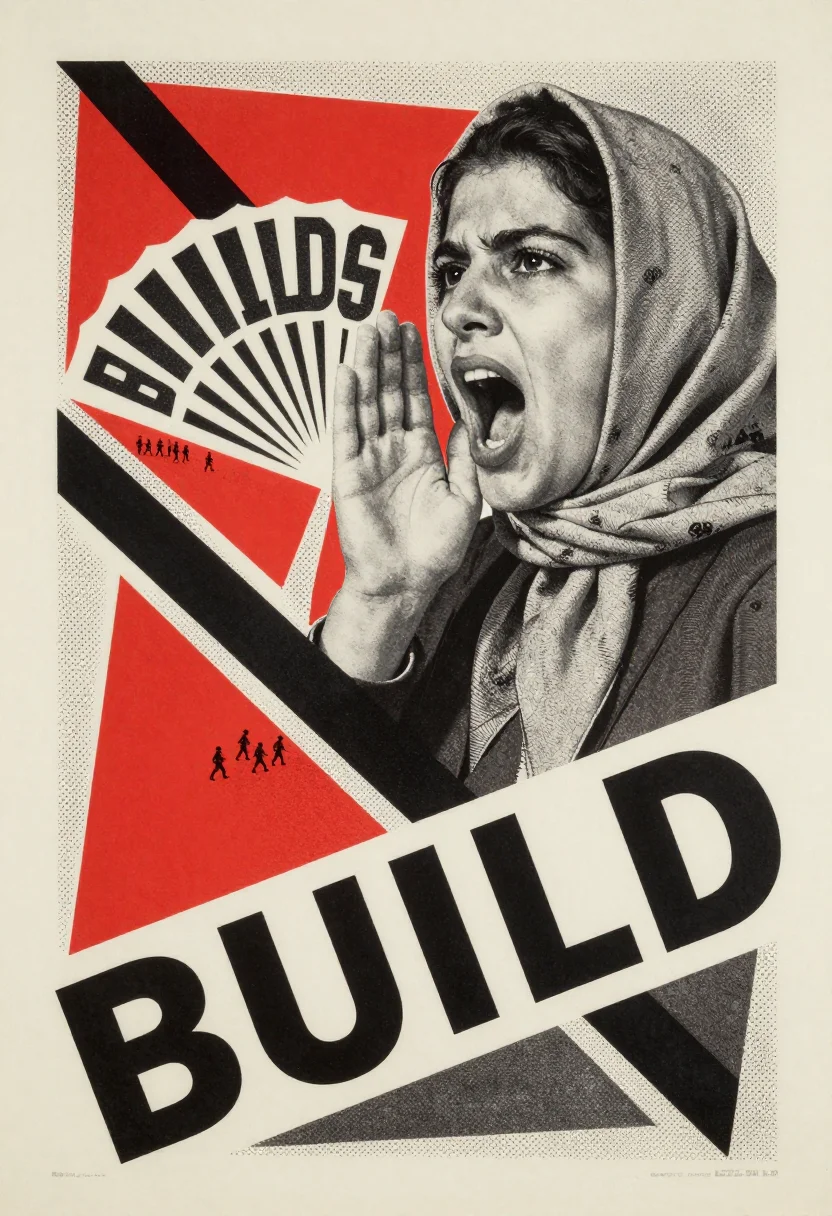
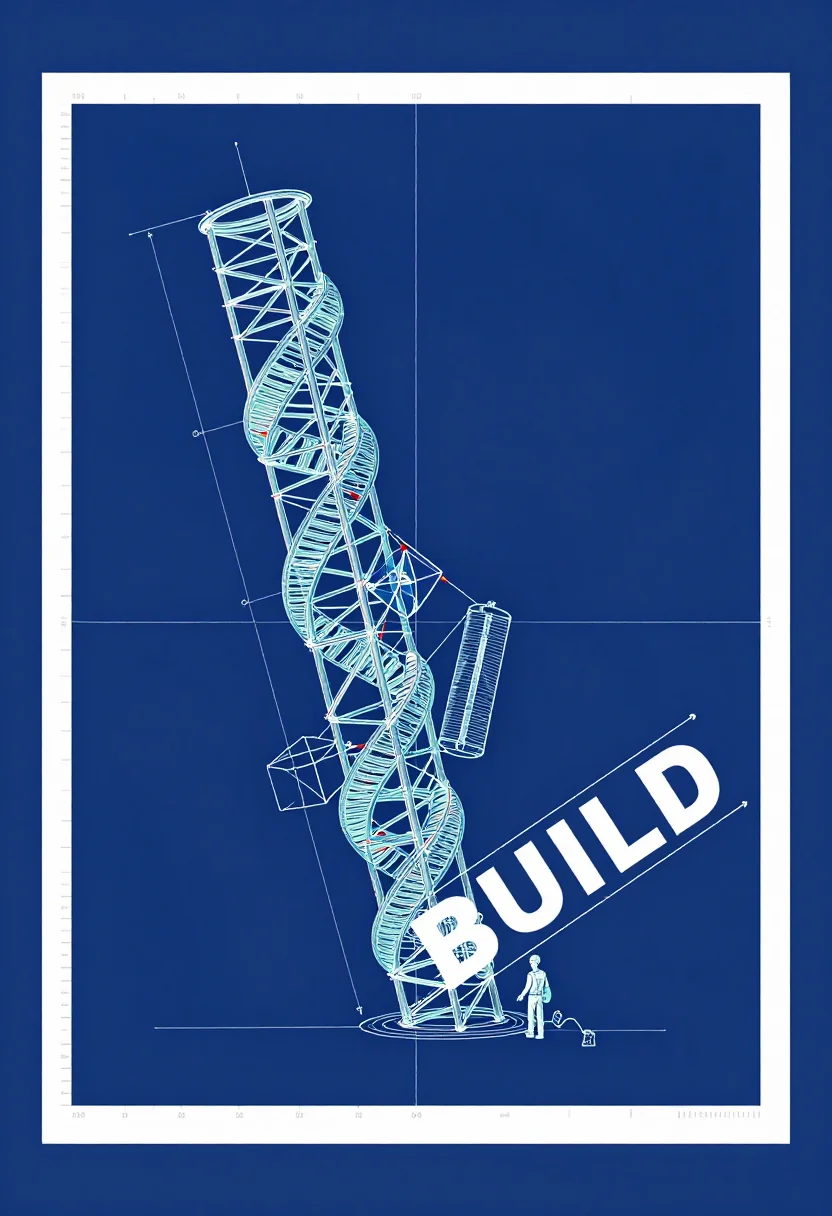
Constructivist art: a shouting worker, a red wedge and a spiral tower
Make your ownConstructivism
Describe yours. We'll remake the whole pack your way.
More like this
the whole catalog →

every sample — three subjects, three styles ↓
Constructivism is the Soviet avant-garde poster language — diagonals, photomontage, red and black on cream. These nine cross a photomontage worker shouting through a cupped hand, an abstract red wedge striking a white circle and a spiral steel-lattice tower, rendered as Rodchenko photomontage, an El Lissitzky Proun and an engineer's blueprint. Type your own subject and the same diagonal language takes it.
- a concert or event poster
- a print for a design or architecture studio
- reference art for a graphic-design history set
- a bold statement print for a bold room
Frequently asked questions
- What size do these print at?
- Each image is drawn in portrait format (832×1216) with an even margin — prints clean on A4 held vertically.
- Can I use my own subject instead of the three shown?
- Yes — that's what the direction field on the page is for. Type your own idea and the same three hands draw it in the same three styles.
- Can I get a poster of my own event or object?
- Yes — type your own subject (a rocket launch poster is the built-in example) and the same three constructivist hands render it.
- Is this real historical artwork, or new images?
- These are new images drawn in the spirit of Alexander Rodchenko's photomontage, El Lissitzky's Proun compositions and technical engineering blueprints — not scans or reproductions of existing work.
About toile
This page is a showcase and a starting point: nine samples already rendered, three readings of the pack crossed with three styles, each shown at the size and ratio it was made for. Take any of them further on the wall with a few words, or ask for all nine again under your own direction; a sign-in keeps what you make, and it is free while Toile is new. The recipe behind each sample — the subject, the style, the palette, the framing — travels with the image rather than staying private to the render: it is in the alt text of every sample and in the page's own structured data, so a search engine reads the same handles a person would.