/cricket-coloring-pages · coloring
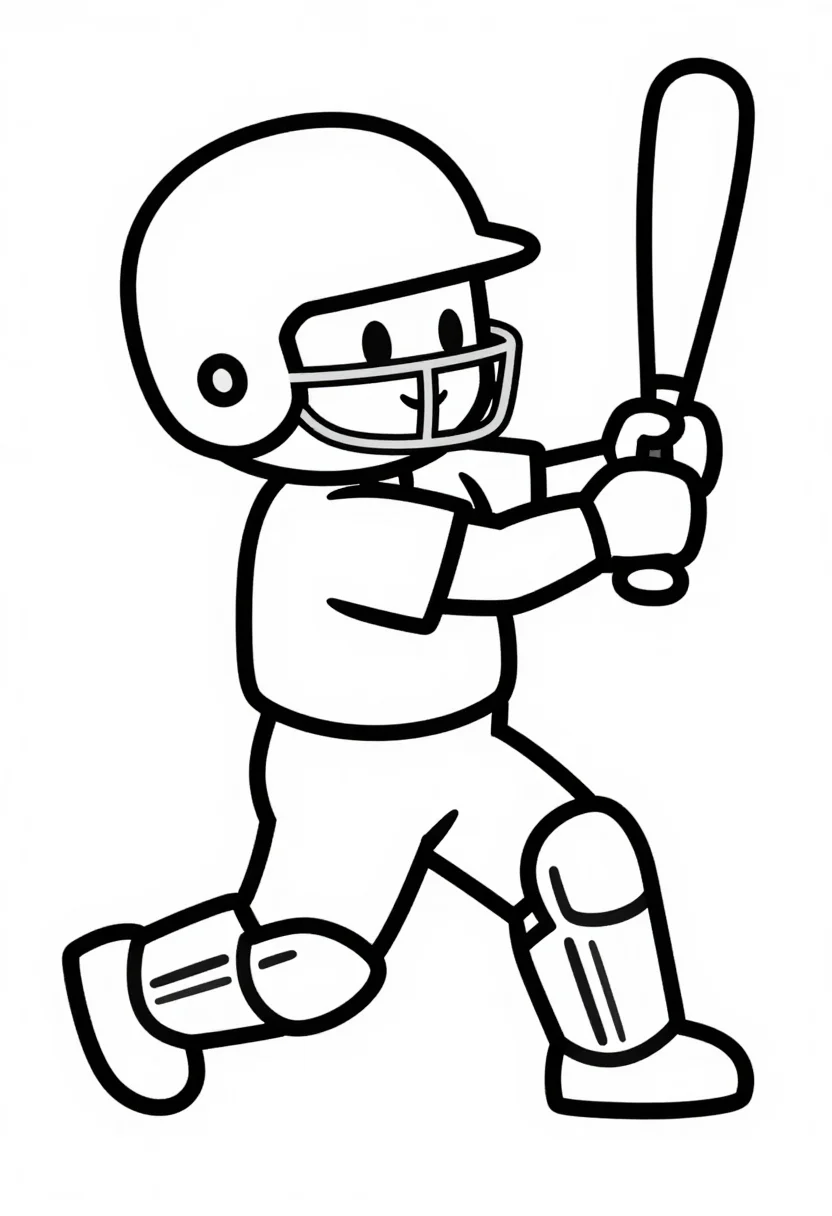
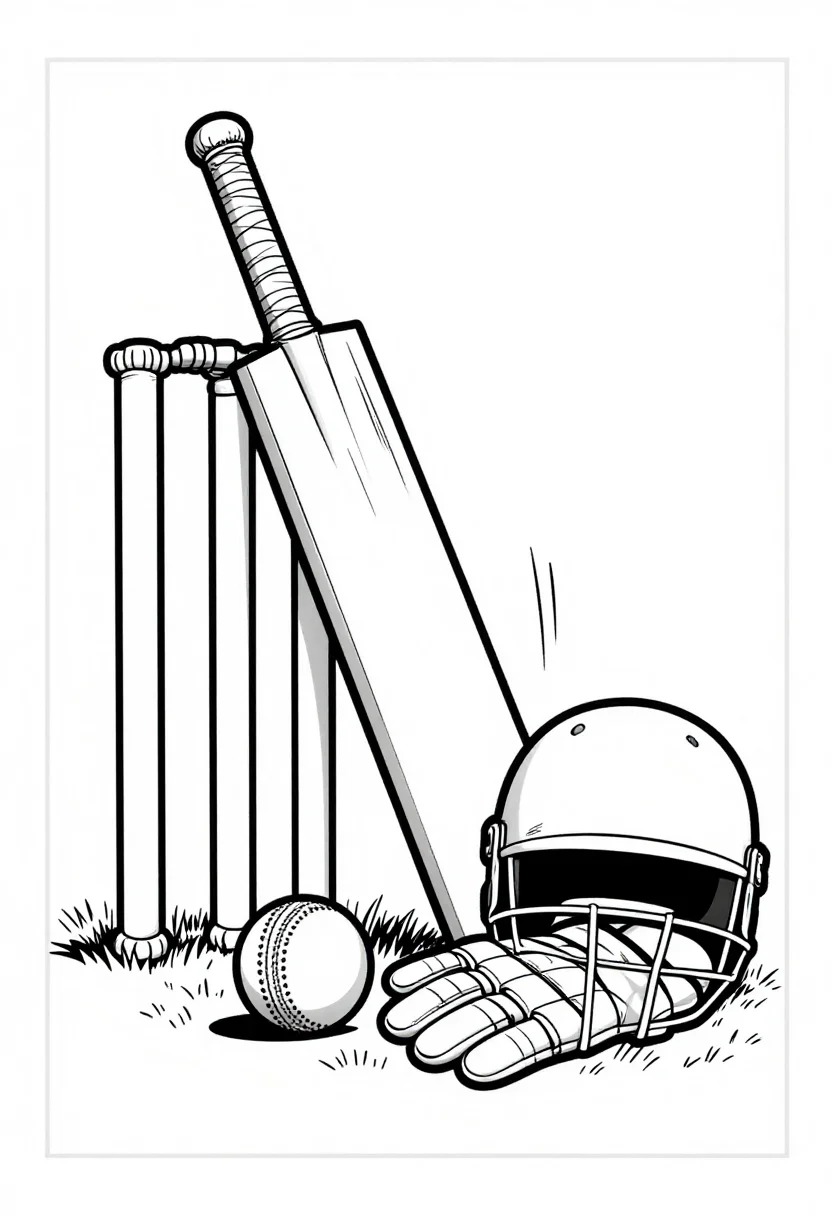
Cricket coloring pages: batter, fast bowler, cricket kit
Make your ownCricket coloring pages
Describe yours. We'll remake the whole pack your way.
More like this
the whole catalog →



every sample — three subjects, three styles ↓
Cricket coloring pages for young cricket fans in India, Pakistan, Australia, England and everywhere the game is played. The nine pages show a batter playing a cover drive, a fast bowler in delivery stride, and the kit itself: bat, ball, stumps and helmet. The styles are easy, sketch and comic. Type a different subject, such as a wicketkeeper or a trophy, and the same style carries it.
- a coloring page for a cricket club or school team
- a page for a young fan's bedroom wall
- a sports day activity in a classroom
- a page to color before a match on TV
Frequently asked questions
- What is the difference between the styles?
- Easy uses thick outlines and a big smiling head for young children. Sketch is a realistic line drawing with accurate kit, and comic uses bold action inking with motion lines.
- Are the strokes and kit drawn correctly?
- The sketch style draws correct body proportions and accurate cricket kit; the easy and comic styles simplify the figures for coloring.
- Can I ask for a different subject?
- Yes. A subject you type, such as a wicketkeeper, a stadium or a trophy, is a request; the page keeps the same style but may not match it exactly.
- Are the pages in color?
- No. Each page is a black line drawing on white paper, ready to print and color.
About toile
This page is a showcase and a starting point: nine samples already rendered, three readings of the pack crossed with three styles, each shown at the size and ratio it was made for. Take any of them further on the wall with a few words, or ask for all nine again under your own direction; a sign-in keeps what you make, and it is free while Toile is new. The recipe behind each sample — the subject, the style, the palette, the framing — travels with the image rather than staying private to the render: it is in the alt text of every sample and in the page's own structured data, so a search engine reads the same handles a person would.