/french-art-prints · wall-art
French art prints: Belle Époque woman, water-lily pond, paper cut-out figure
Make your ownFrench art prints
Describe yours. We'll remake the whole pack your way.
More like this
the whole catalog →

every sample — three subjects, three styles ↓
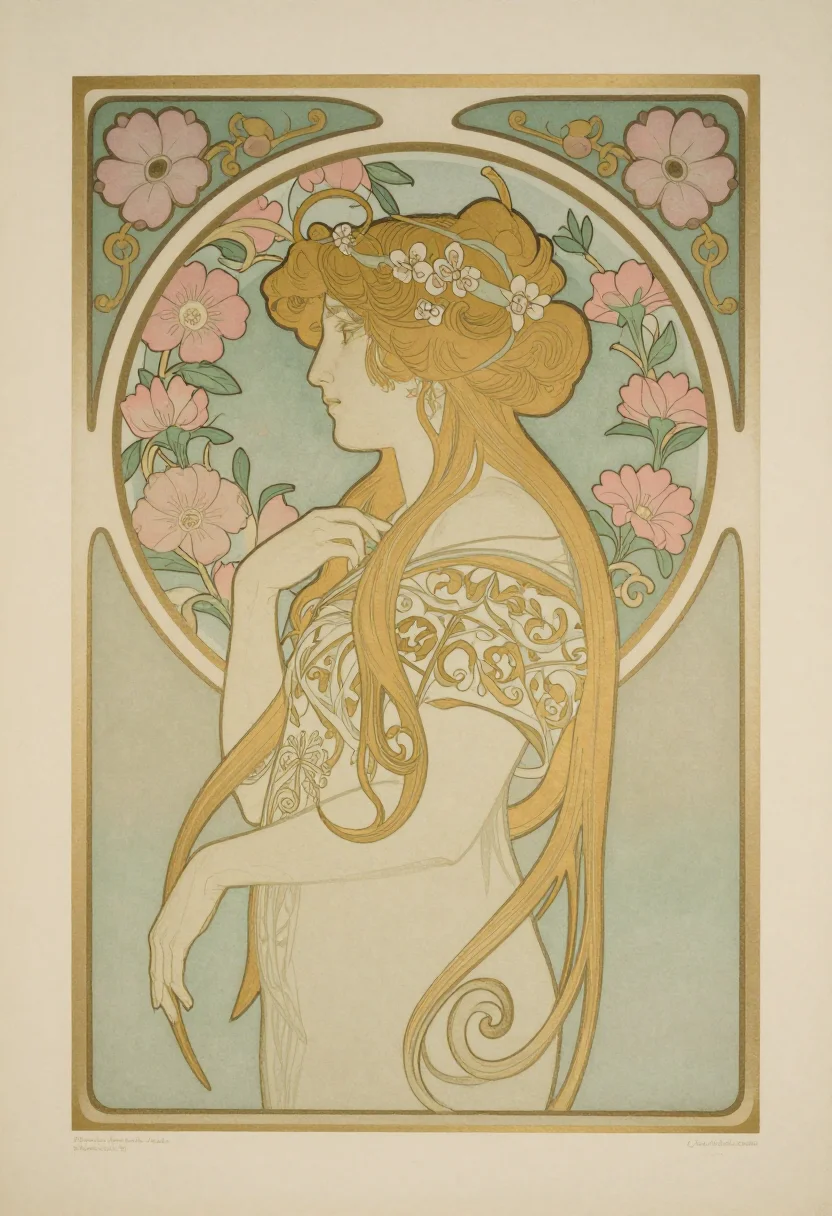
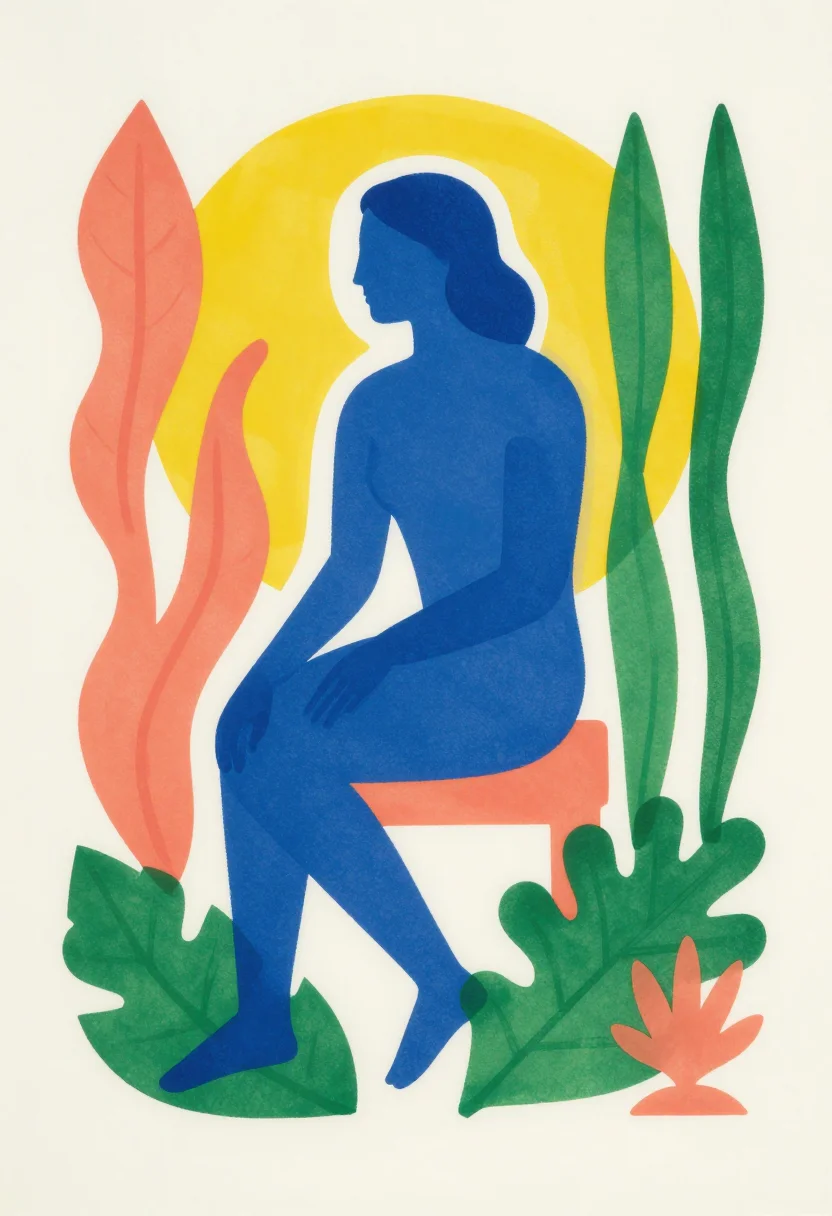
The three looks of French painting and posters: a woman in profile framed by flowers in an Art Nouveau poster, a pond of water lilies with a green arched footbridge, and a seated blue figure cut from paper among large leaves. Each is shown as a Belle Époque lithograph, as a gouache in the manner of a museum print, and as a Riviera screen print. The direction field takes another subject, such as the Eiffel Tower, as a request.
- a wall for someone who loves France
- a café or a Paris-themed room
- a gift for a francophile
Frequently asked questions
- Which looks are in the pack?
- Belle Époque, the Impressionist garden and the paper cut-out. Each look is shown in all three print styles.
- What is the difference between the three styles?
- The lithograph has muted ochre, sage and dusty rose with fine dark contour. The gouache has soft Giverny blues and lilac in visible brush strokes. The screen print has bold clean shapes, Mediterranean blue and coral, and no outlines.
- Can I ask for a different subject?
- Yes. Type it in the direction field, such as the Eiffel Tower or lavender fields; it is a request, not a promised match.
- Are these photographs?
- No. They are rendered pictures in the styles described.
About toile
This page is a showcase and a starting point: nine samples already rendered, three readings of the pack crossed with three styles, each shown at the size and ratio it was made for. Take any of them further on the wall with a few words, or ask for all nine again under your own direction; a sign-in keeps what you make, and it is free while Toile is new. The recipe behind each sample — the subject, the style, the palette, the framing — travels with the image rather than staying private to the render: it is in the alt text of every sample and in the page's own structured data, so a search engine reads the same handles a person would.