/marwari-mehndi · tattoo
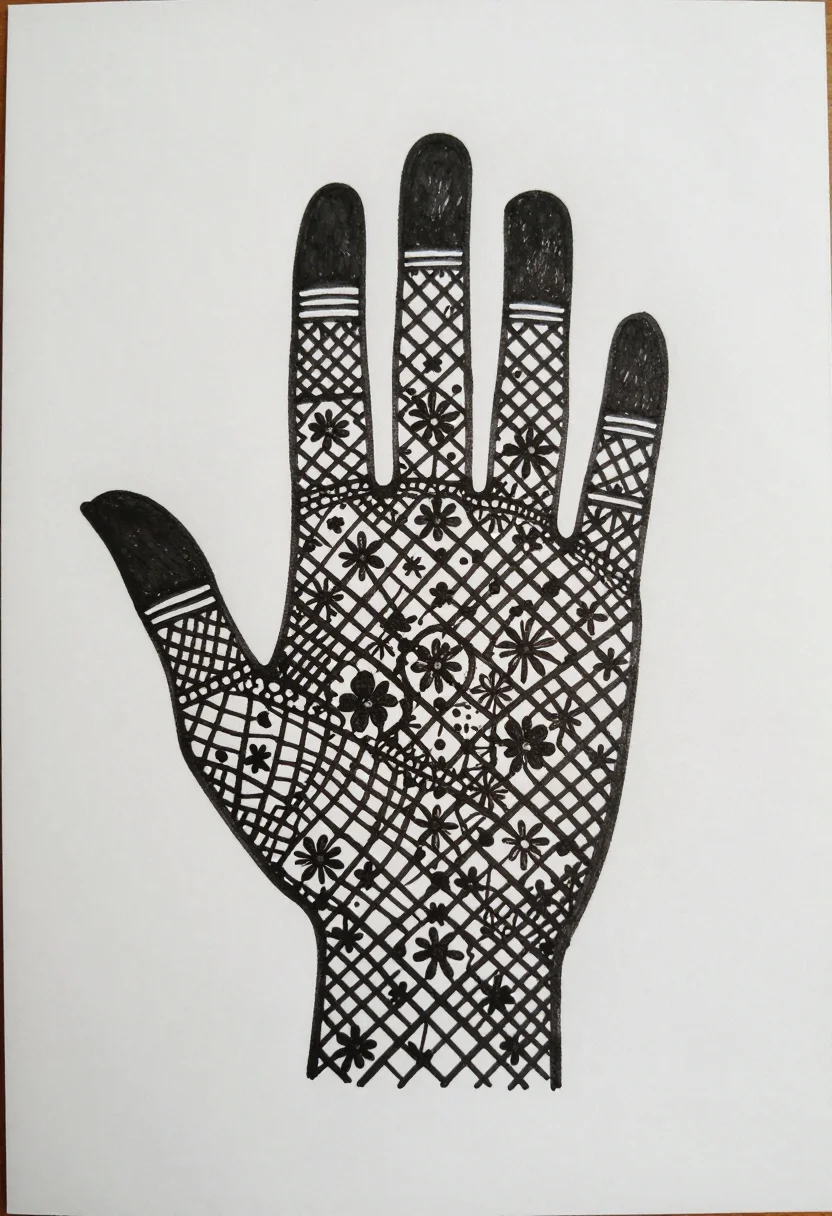
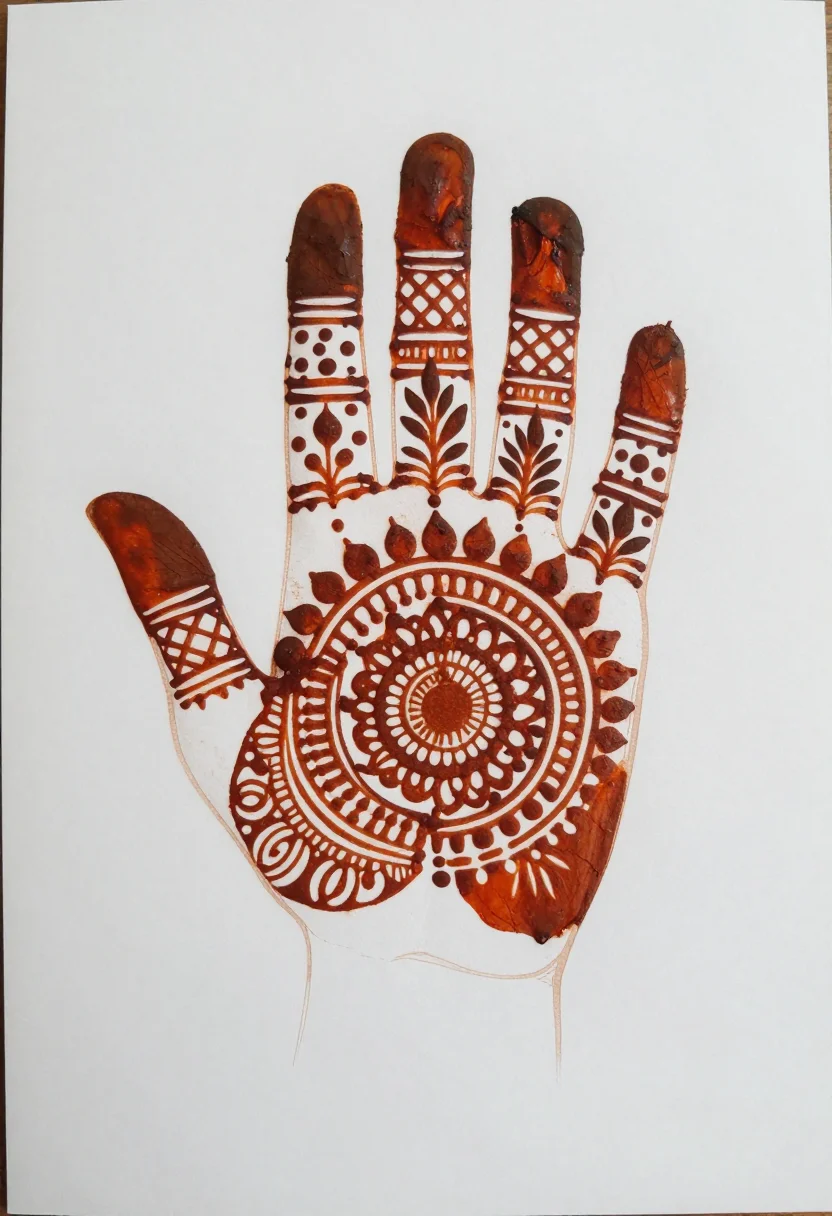
Marwari mehndi design: jaal net, kalash, finger bands
Make your ownMarwari mehndi
Describe yours. We'll remake the whole pack your way.
More like this
the whole catalog →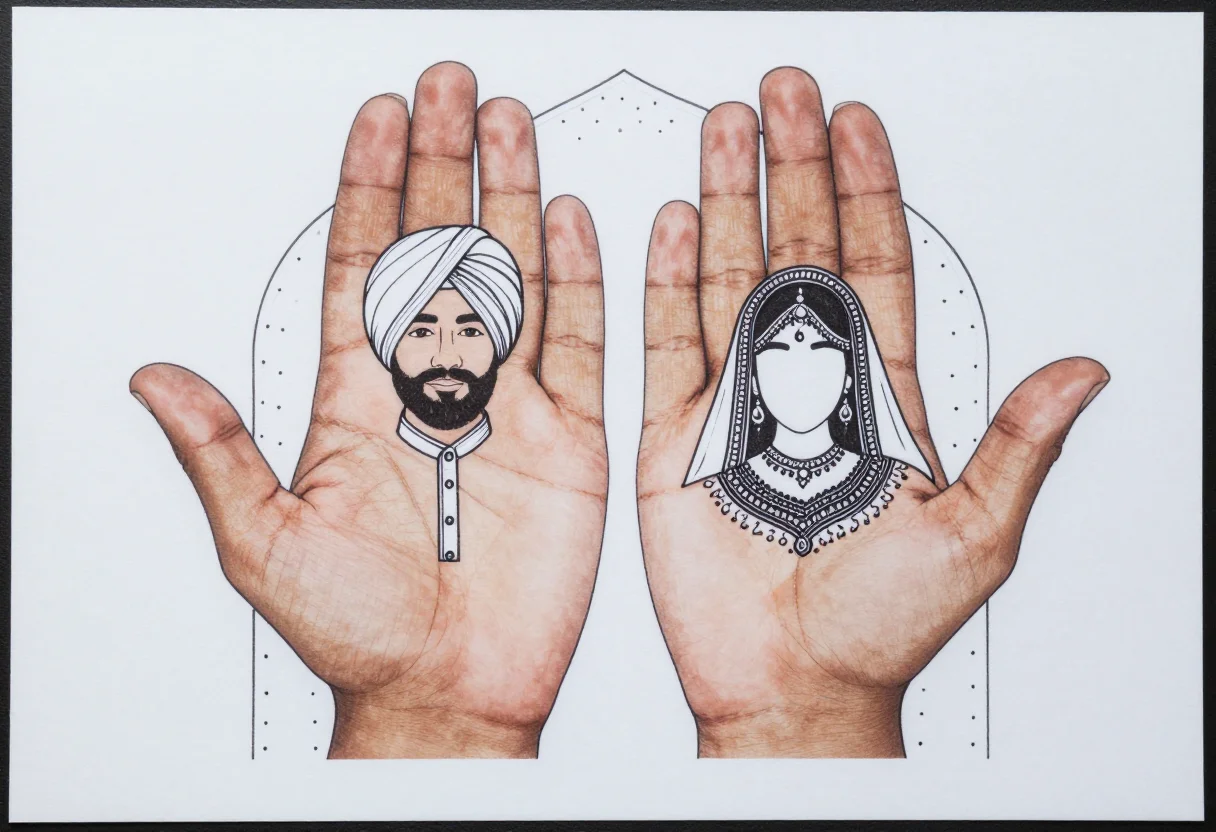
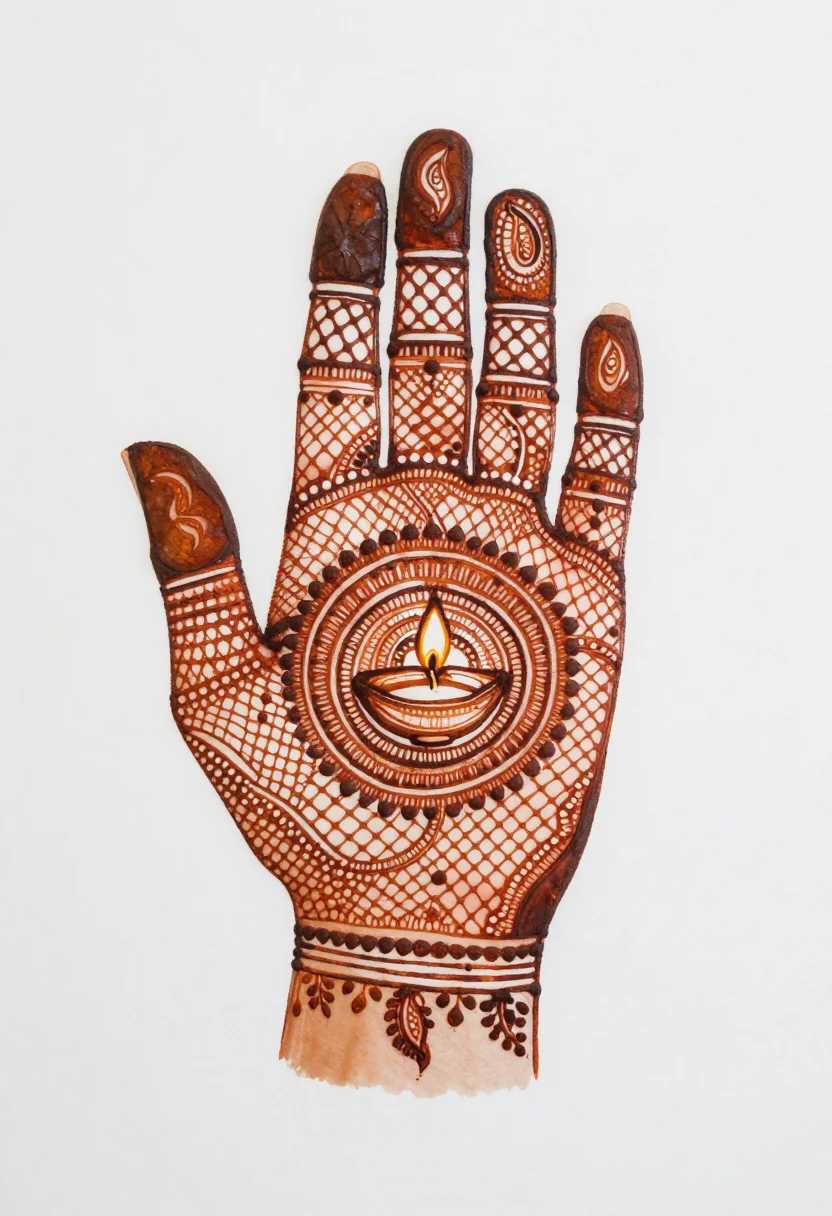
every sample — three subjects, three styles ↓
Marwari mehndi is known for very fine lines and almost no bare skin, worn at Teej, Gangaur, and weddings. The designs are a fine jaal net over the back of the hand with a flower in every cell, a kalash pot with mango leaves on the palm, and every finger divided into narrow bands. Type a subject of your own and the design is drawn with it as a request.
- a Teej or Gangaur design
- a dense bridal design
- a fine design for the back of the hand
- a reference for packed-line henna work
Frequently asked questions
- How dense is this style?
- Very. The three designs leave little bare skin, with nets and motifs packed close together.
- What is the difference between the styles?
- Packed uses a fine line with the fingertips filled solid, fine detail uses an even line with dot rows, and henna brown shows the reddish stroke of dried henna.
- Can I change the subject?
- Yes. Type a subject of your own and the design is drawn with it, as a request rather than a fixed result.
- Are these drawn on real hands?
- No. Each is a drawing on white paper, showing the design over a hand outline.
About toile
This page is a showcase and a starting point: nine samples already rendered, three readings of the pack crossed with three styles, each shown at the size and ratio it was made for. Take any of them further on the wall with a few words, or ask for all nine again under your own direction; a sign-in keeps what you make, and it is free while Toile is new. The recipe behind each sample — the subject, the style, the palette, the framing — travels with the image rather than staying private to the render: it is in the alt text of every sample and in the page's own structured data, so a search engine reads the same handles a person would.