/origami-animals · craft
Origami animals: fox face, penguin, rabbit
Make your ownOrigami animals
Describe yours. We'll remake the whole pack your way.
More like this
the whole catalog →
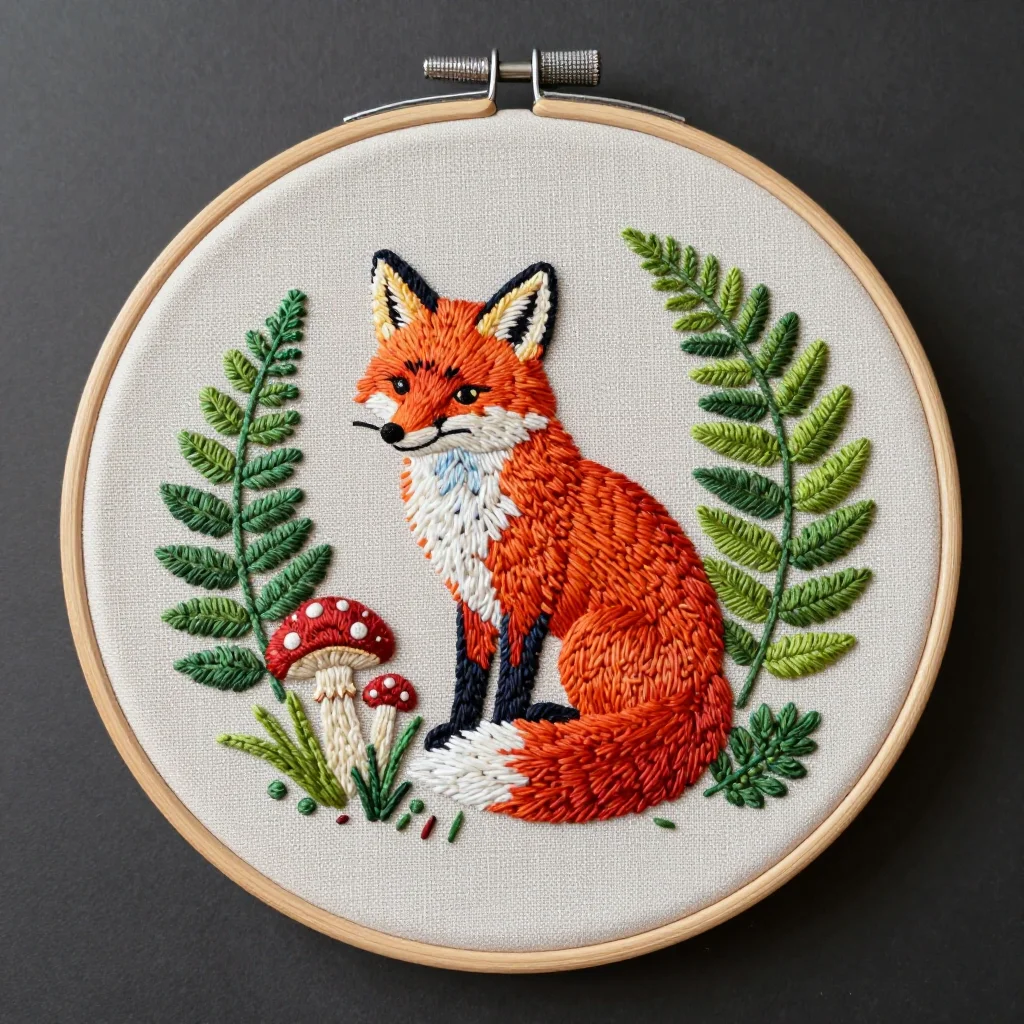
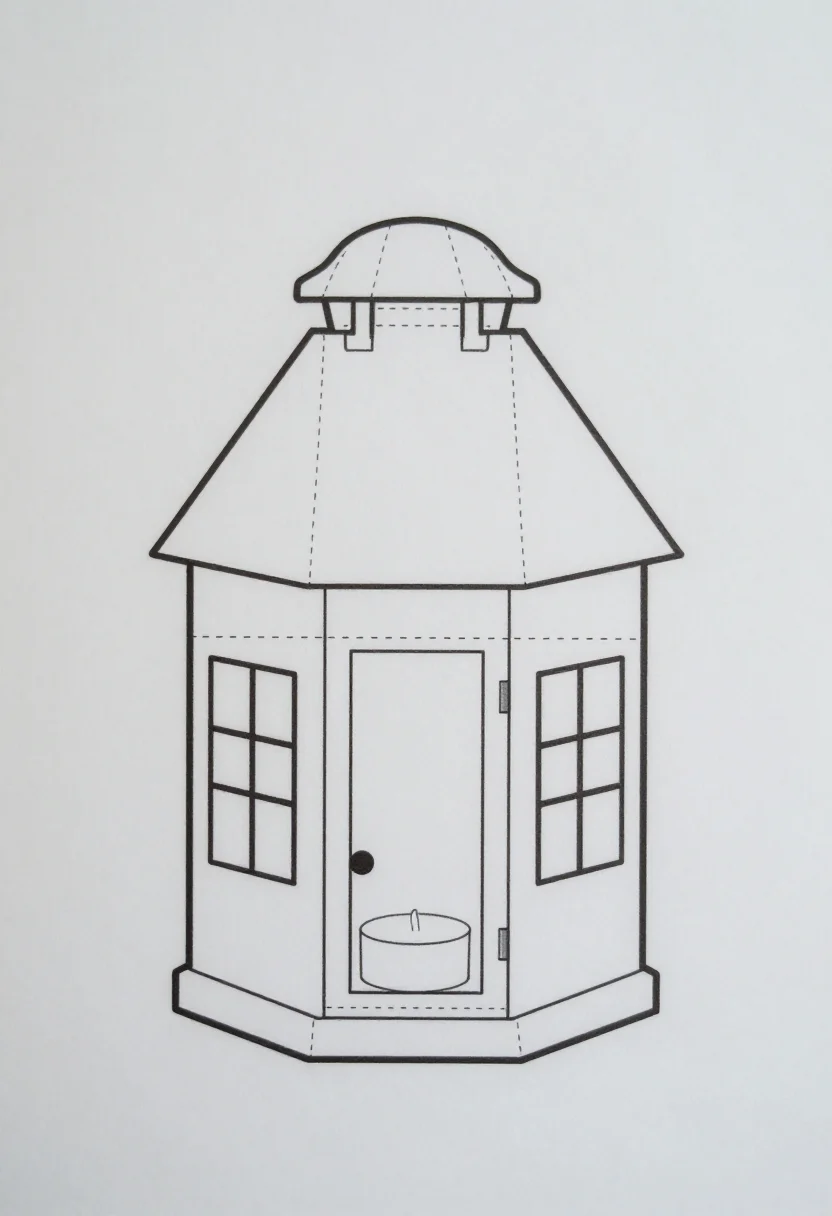
every sample — three subjects, three styles ↓
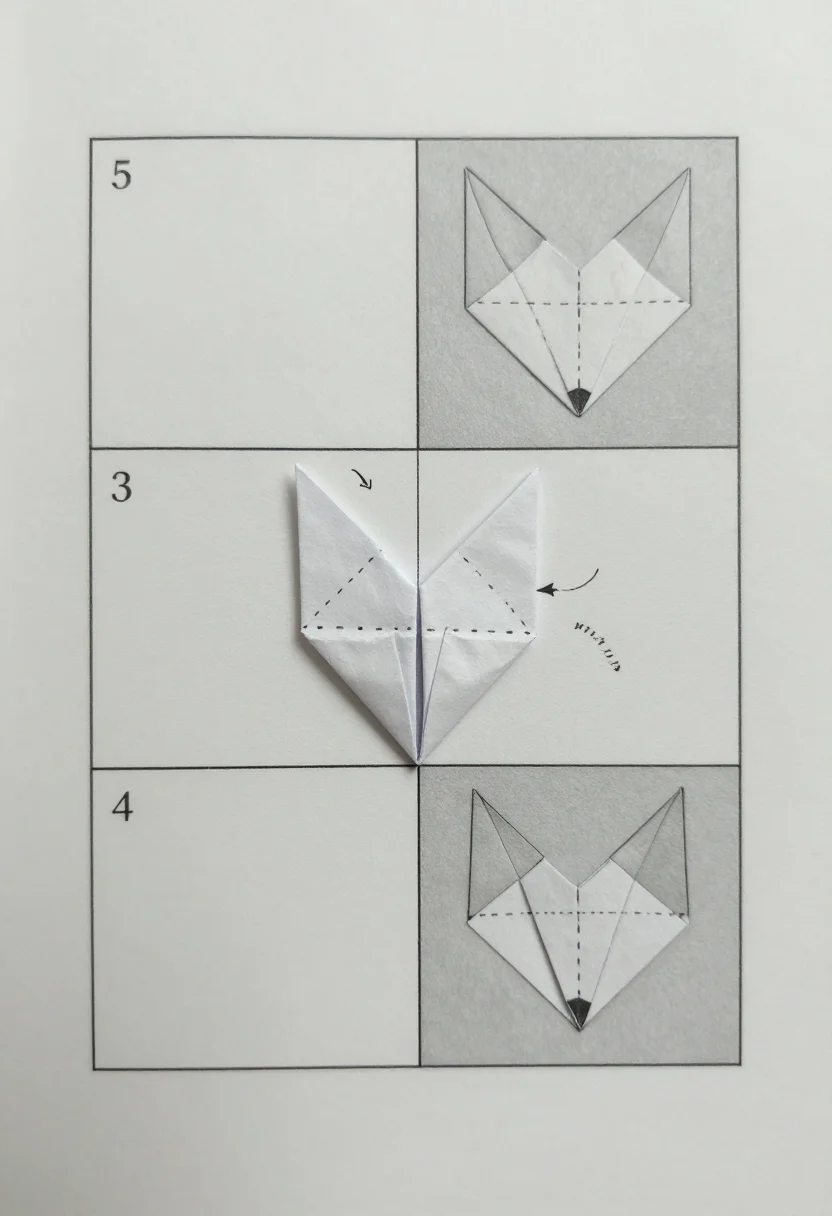
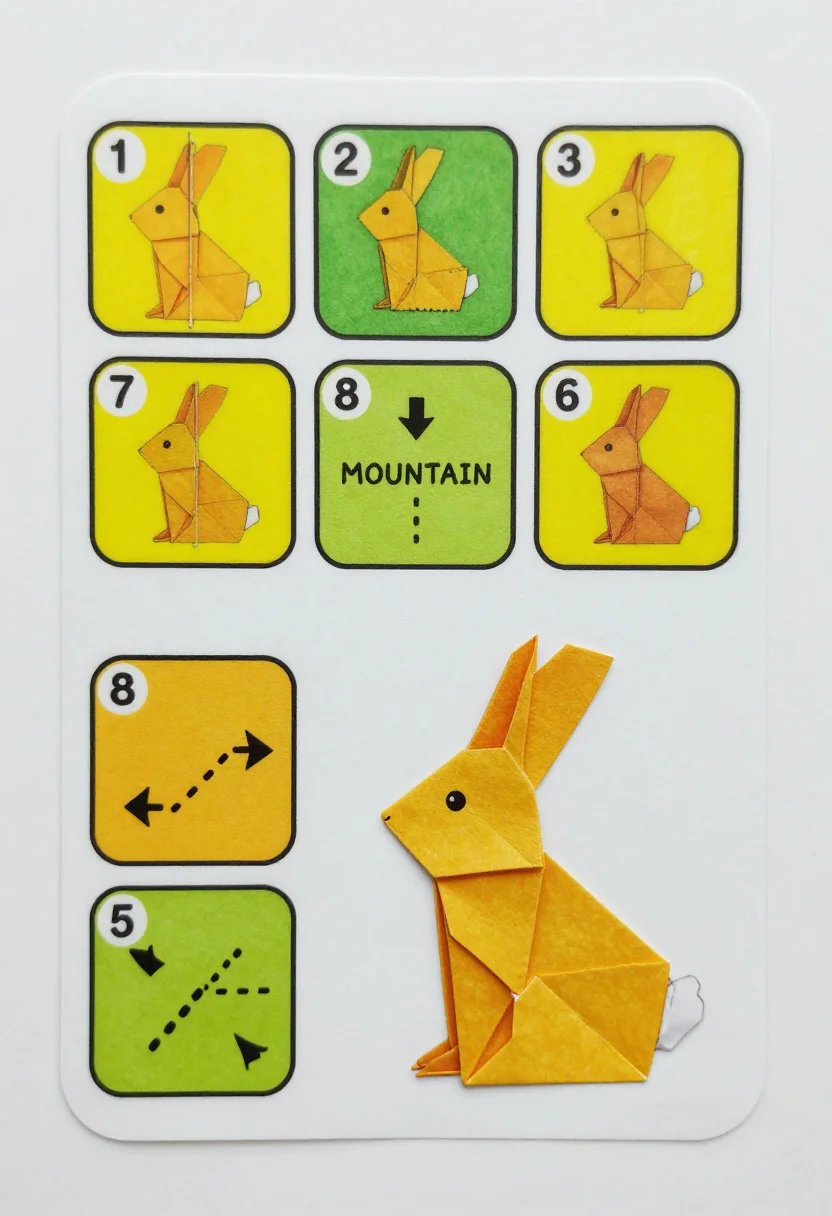
Origami diagrams show each fold as a numbered panel, with dashed valley folds, dot-dashed mountain folds and arrows. These nine pictures cover three easy animals from one square: a fox face in six steps, a standing penguin in eight, and a sitting rabbit in ten. Each comes as an origami-book diagram, on two-tone paper and as a children's sheet. Type another animal, such as an elephant or a cat, and the step layout stays the same.
- a folding lesson for a child and a parent
- a rainy-afternoon craft at home
- a classroom origami station
- a step guide to keep beside the paper
Frequently asked questions
- What do the nine pictures show?
- Step diagrams for a fox face, a penguin and a rabbit, each in the origami-book, two-tone and children's styles.
- How many steps does each animal take?
- The fox has six numbered panels, the penguin eight and the rabbit ten. The finished animal is drawn in the last panel.
- What do the lines mean?
- Dashed lines are valley folds, folded toward you, and dot-dashed lines are mountain folds, folded away from you. Arrows show the direction to move.
- Can I ask for a different animal?
- Yes, type an animal such as an elephant or a dinosaur. The sheet keeps the same numbered steps, but that is a request and the diagram may differ from the sample.
About toile
This page is a showcase and a starting point: nine samples already rendered, three readings of the pack crossed with three styles, each shown at the size and ratio it was made for. Take any of them further on the wall with a few words, or ask for all nine again under your own direction; a sign-in keeps what you make, and it is free while Toile is new. The recipe behind each sample — the subject, the style, the palette, the framing — travels with the image rather than staying private to the render: it is in the alt text of every sample and in the page's own structured data, so a search engine reads the same handles a person would.