/play-camping · classroom
Camping pretend play: packing list, campsite sign, nature spotting
Make your ownCamping pretend play
Describe yours. We'll remake the whole pack your way.
More like this
the whole catalog →
every sample — three subjects, three styles ↓
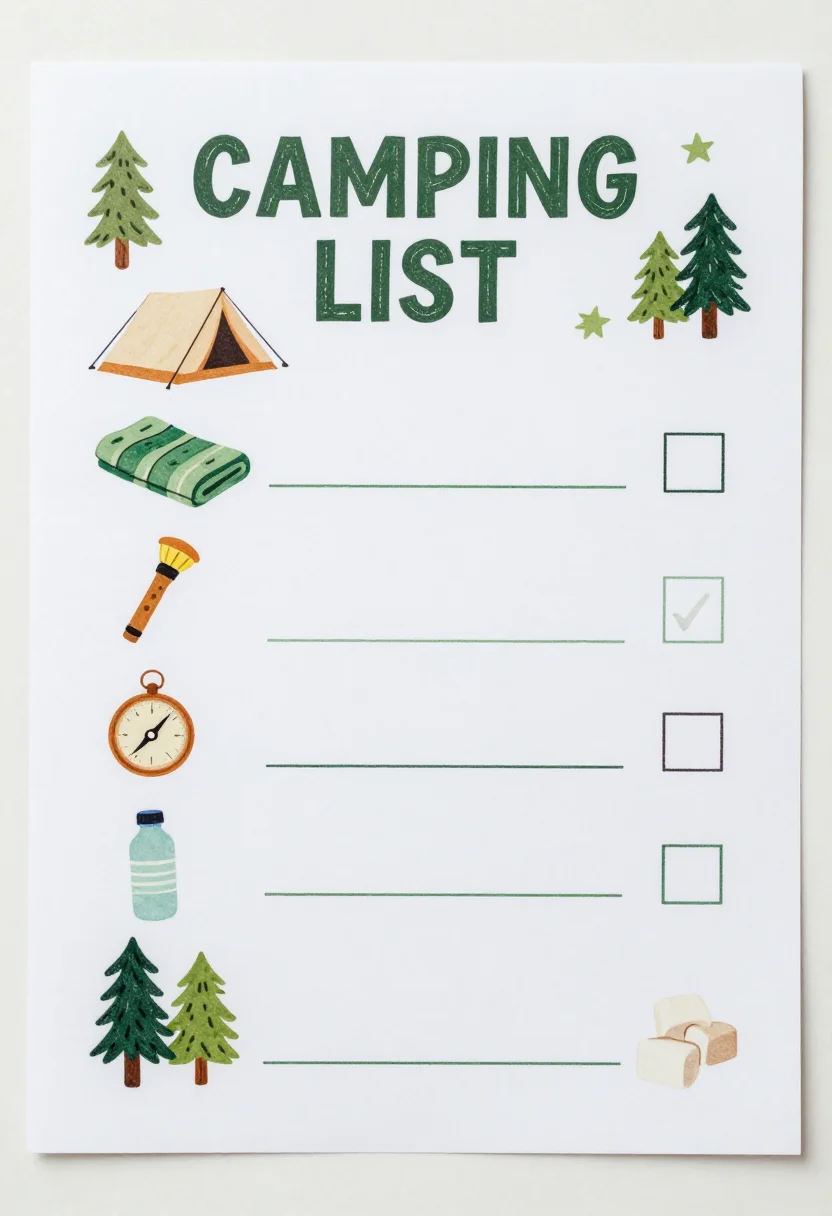
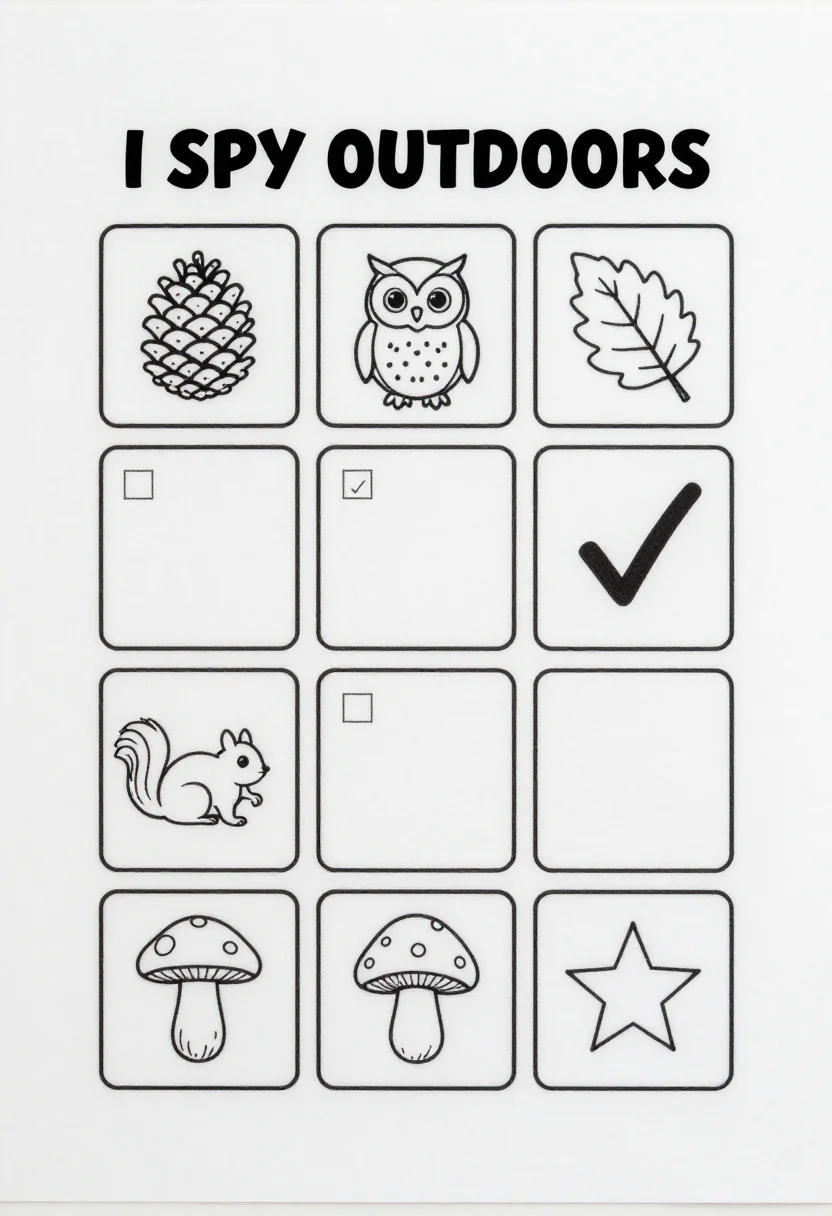
A camping game for children who pitch a blanket tent in the living room or the classroom. A child packs the tent, sleeping bag, torch and marshmallows from the checklist, hangs the campsite sign at the tent, and spots pinecones, owls and leaves on the nature sheet. Type a different trip, such as a beach day, a desert trek or a night hike, and the same sheets are drawn for it.
- an indoor camp on a rainy day
- a nature spotting game for a class
- a packing and checklist activity before a trip
Frequently asked questions
- How do I print the sheets?
- Print each sheet at full page size on plain paper or card. Every sheet keeps a wide white margin, so it prints cleanly.
- What is the difference between the three styles?
- Woodland is a natural, earthy look. Scout badge is a patch-style look. Black and white is clean line art with nothing shaded.
- Can I change the trip?
- Yes. Type a different trip, such as a beach day or a night hike, and the same sheets are drawn for it. The nine pictures on this page are fixed; a trip is a request, not a promised picture.
- Is there a checklist?
- Yes. The packing list shows a tent, sleeping bag, torch, compass, water bottle and marshmallows, each beside a tick box.
About toile
This page is a showcase and a starting point: nine samples already rendered, three readings of the pack crossed with three styles, each shown at the size and ratio it was made for. Take any of them further on the wall with a few words, or ask for all nine again under your own direction; a sign-in keeps what you make, and it is free while Toile is new. The recipe behind each sample — the subject, the style, the palette, the framing — travels with the image rather than staying private to the render: it is in the alt text of every sample and in the page's own structured data, so a search engine reads the same handles a person would.