/cover-letter-templates · office
Cover letter templates: classic, modern, minimal
Make your ownCover letter templates
Describe yours. We'll remake the whole pack your way.
More like this
the whole catalog →
every sample — three subjects, three styles ↓
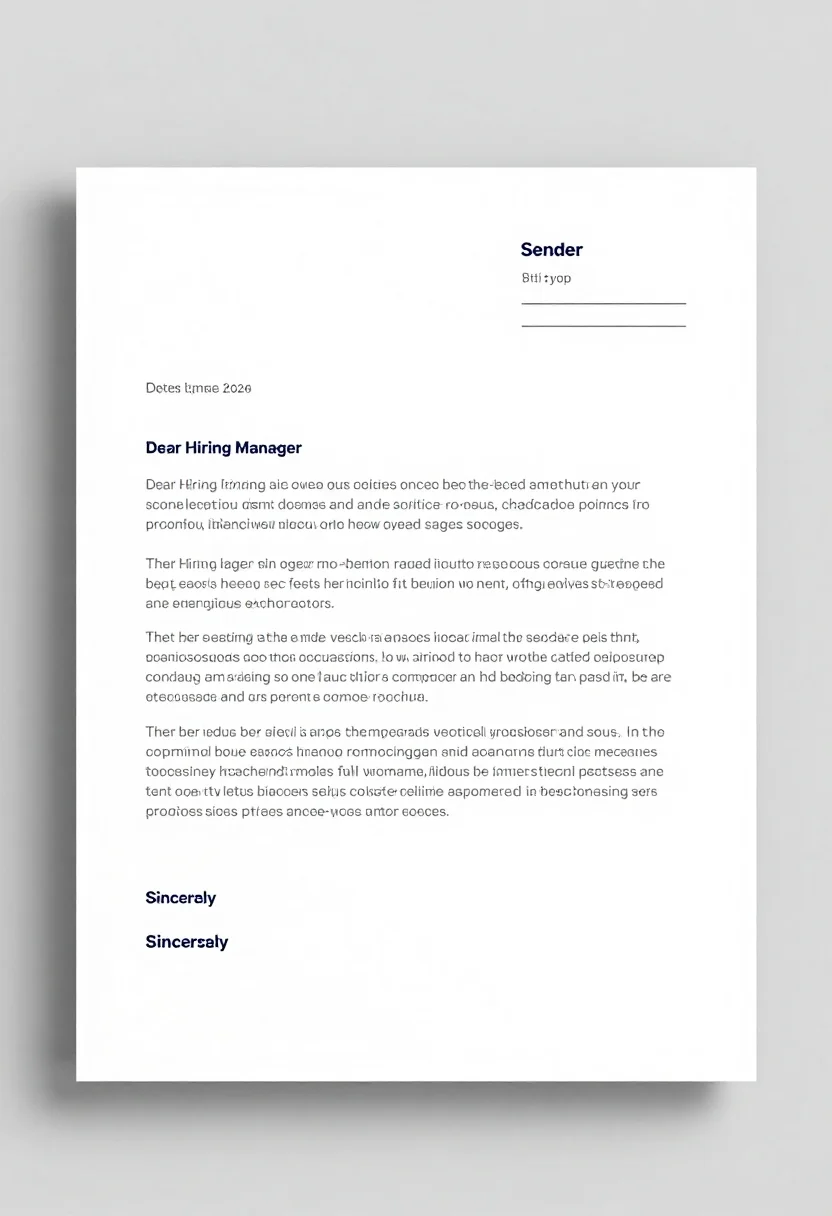
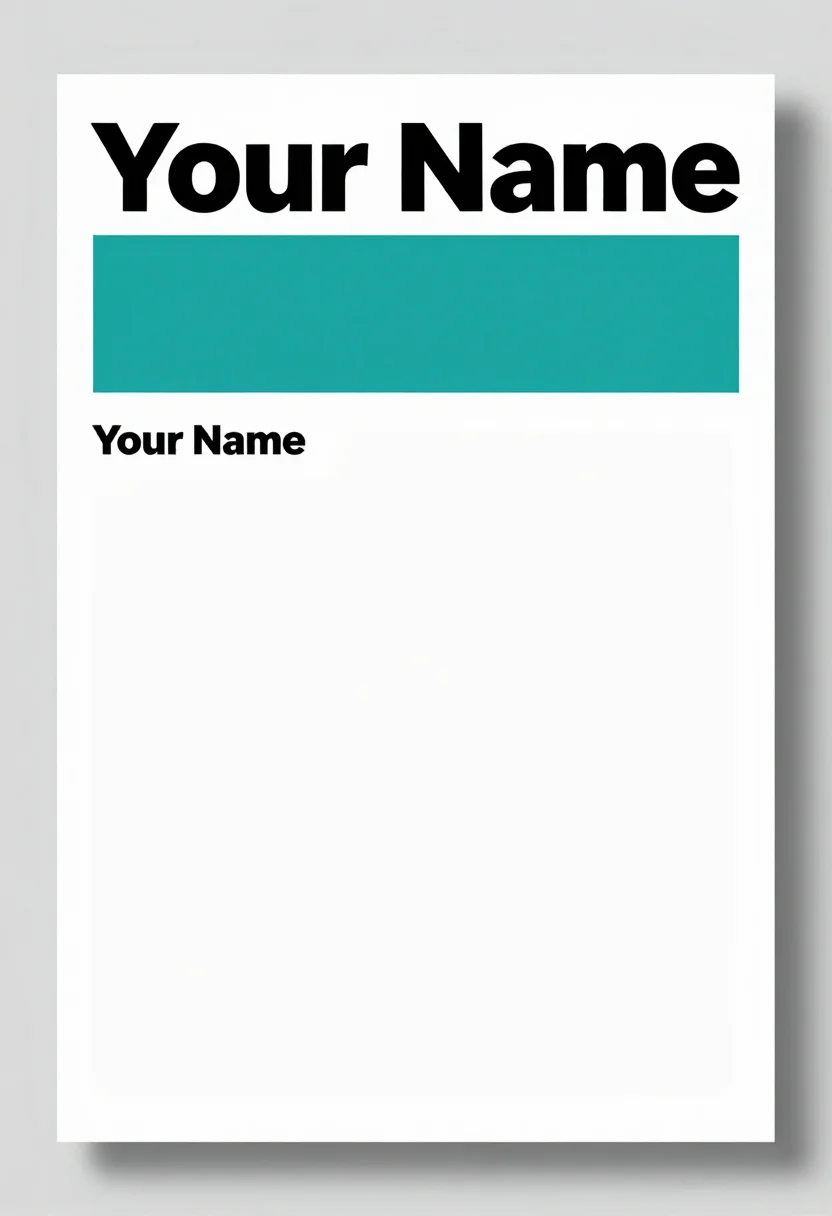
A cover letter goes with your resume and tells the hiring manager why you fit the job. These nine pages give you a starting layout: a classic business letter, a modern letter with a colour header and a minimal one-column letter. Each comes in a clean modern, formal serif or bold colour style, with placeholder lines to replace with your own text. You can also type a request, such as navy accents, to shape the page.
- a job application sent with a resume
- a printed letter handed in at an interview
- a template to retype in a word processor
- a copy to keep for every application
Frequently asked questions
- Can I print these at home?
- Yes. Each page is a flat portrait layout with no logos and no watermark, so you can print it and write or type over the placeholder text.
- What is the difference between the styles?
- The clean modern style has sans-serif type and navy accents, the formal serif has hairline rules on cream paper, and the bold colour style has a teal block and heavy headings.
- Are the letters already written?
- No. The body is grey placeholder lines, so you write your own words in them.
About toile
This page is a showcase and a starting point: nine samples already rendered, three readings of the pack crossed with three styles, each shown at the size and ratio it was made for. Take any of them further on the wall with a few words, or ask for all nine again under your own direction; a sign-in keeps what you make, and it is free while Toile is new. The recipe behind each sample — the subject, the style, the palette, the framing — travels with the image rather than staying private to the render: it is in the alt text of every sample and in the page's own structured data, so a search engine reads the same handles a person would.