/sticker-cut-files · cutfiles
Sticker cut files: kiss-cut, die-cut and label sticker sheets
Make your ownSticker cut files
Describe yours. We'll remake the whole pack your way.
More like this
the whole catalog →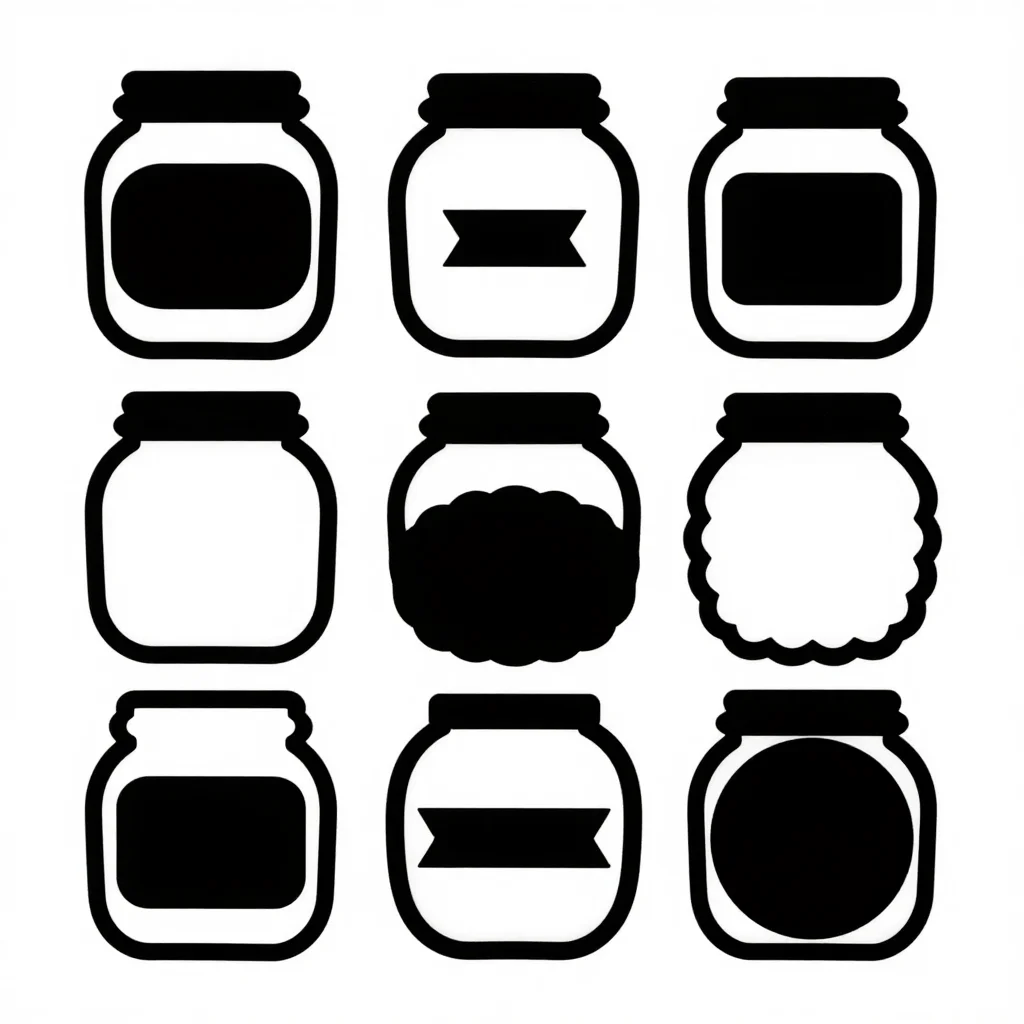
every sample — three subjects, three styles ↓
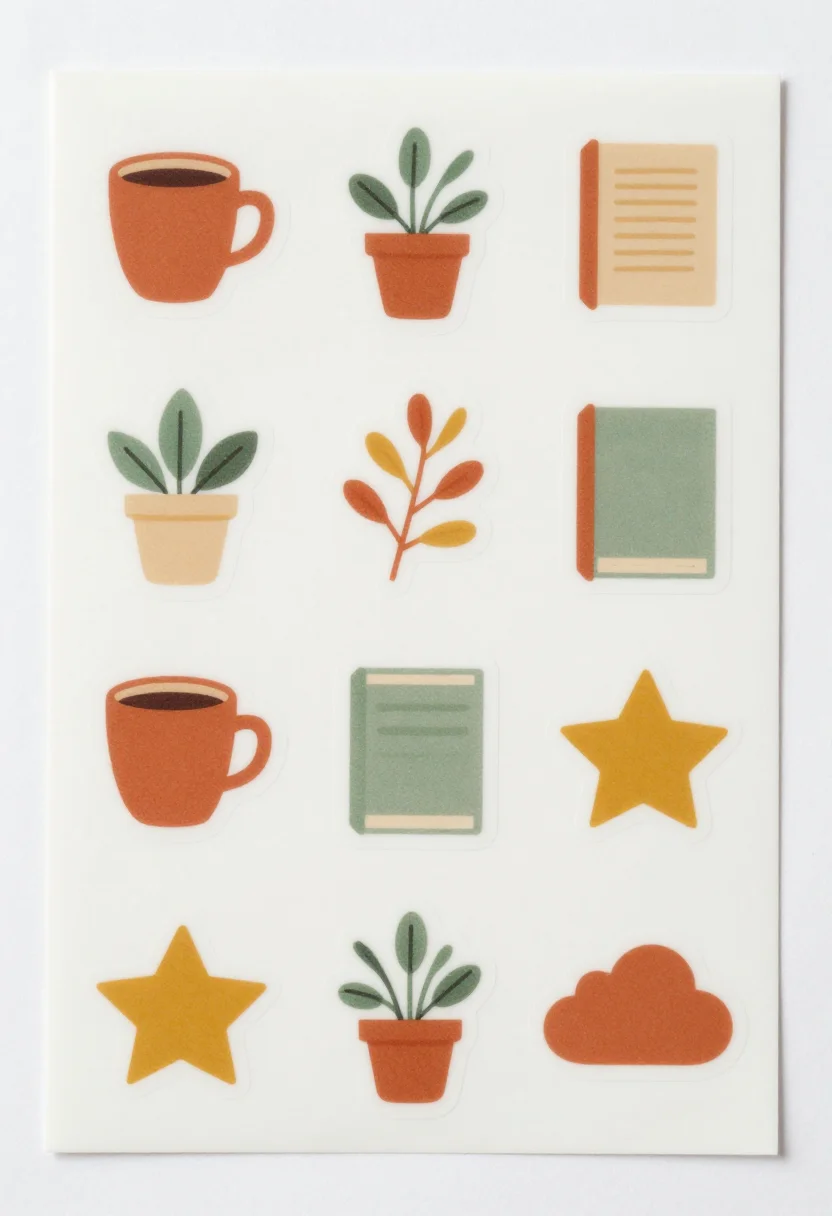
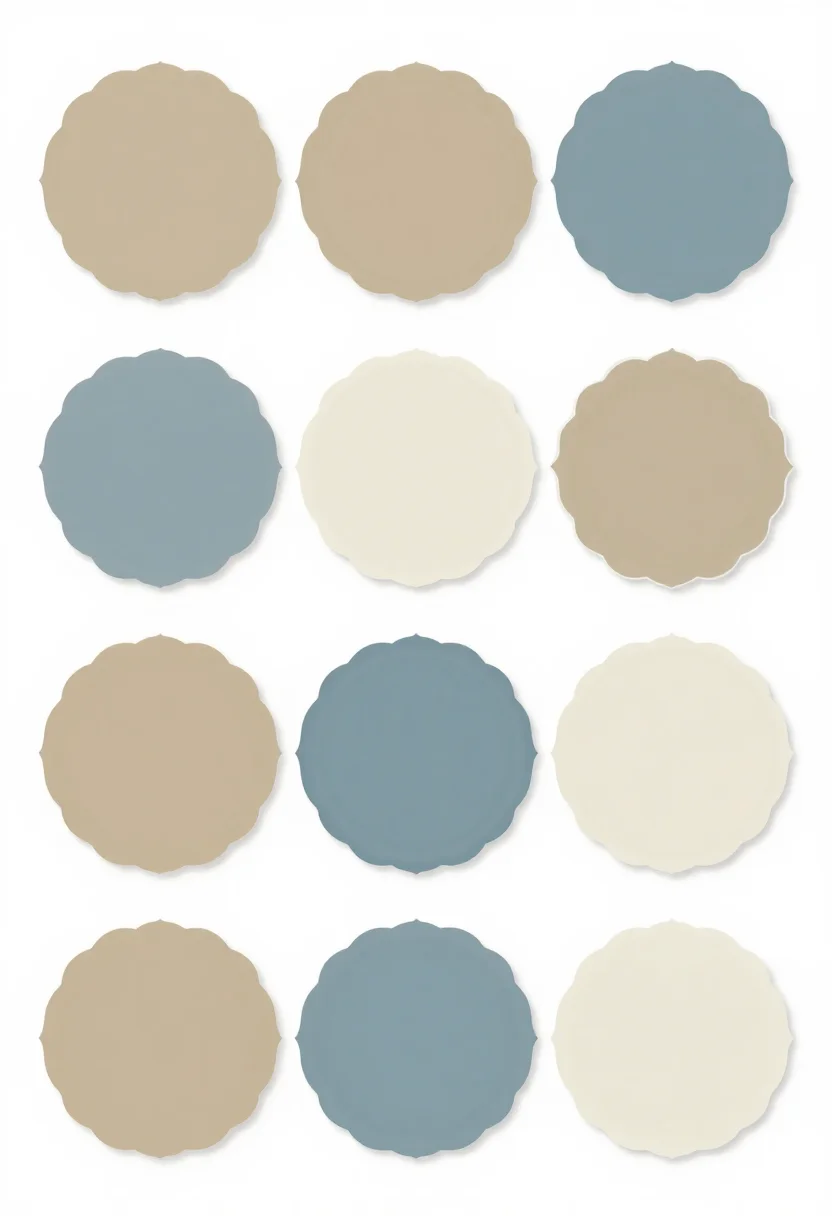
A print-and-cut sticker file needs the cut line built in, not guessed at — every sticker traced so the cutter follows it exactly. These nine cover a kiss-cut sheet with an offset border, a set of die-cut planner icons, and round label stickers with blank centres to fill, each drawn as kiss-cut, die-cut and label. Print, cut, peel, or type a different subject and the sheet draws again.
- a planner sticker sheet
- a custom label set for jars or products
- a small-batch sticker shop item
- a party favor sticker sheet
- a scrapbooking supply
Frequently asked questions
- What's the difference between kiss-cut and die-cut?
- Kiss-cut cuts through the sticker but leaves the backing sheet intact, so stickers peel off one at a time. Die-cut cuts all the way through both layers, so each sticker is fully separate.
- Do the label stickers include text?
- They ship with blank centres sized for text or a name — add your wording in your design software before printing.
- What paper works for printing these?
- Standard printable sticker paper — matte or glossy vinyl sheets sized for a home printer or a print-and-cut machine.
- Can I get a different subject in the same three cut styles?
- Yes — type a different sticker subject and the sheet is drawn again as kiss-cut, die-cut and label.
About toile
This page is a showcase and a starting point: nine samples already rendered, three readings of the pack crossed with three styles, each shown at the size and ratio it was made for. Take any of them further on the wall with a few words, or ask for all nine again under your own direction; a sign-in keeps what you make, and it is free while Toile is new. The recipe behind each sample — the subject, the style, the palette, the framing — travels with the image rather than staying private to the render: it is in the alt text of every sample and in the page's own structured data, so a search engine reads the same handles a person would.