/treasure-hoard-cards · tabletop
Treasure hoard cards: coin hoard, gem card, chest contents
Make your ownTreasure hoard cards
Describe yours. We'll remake the whole pack your way.
More like this
the whole catalog →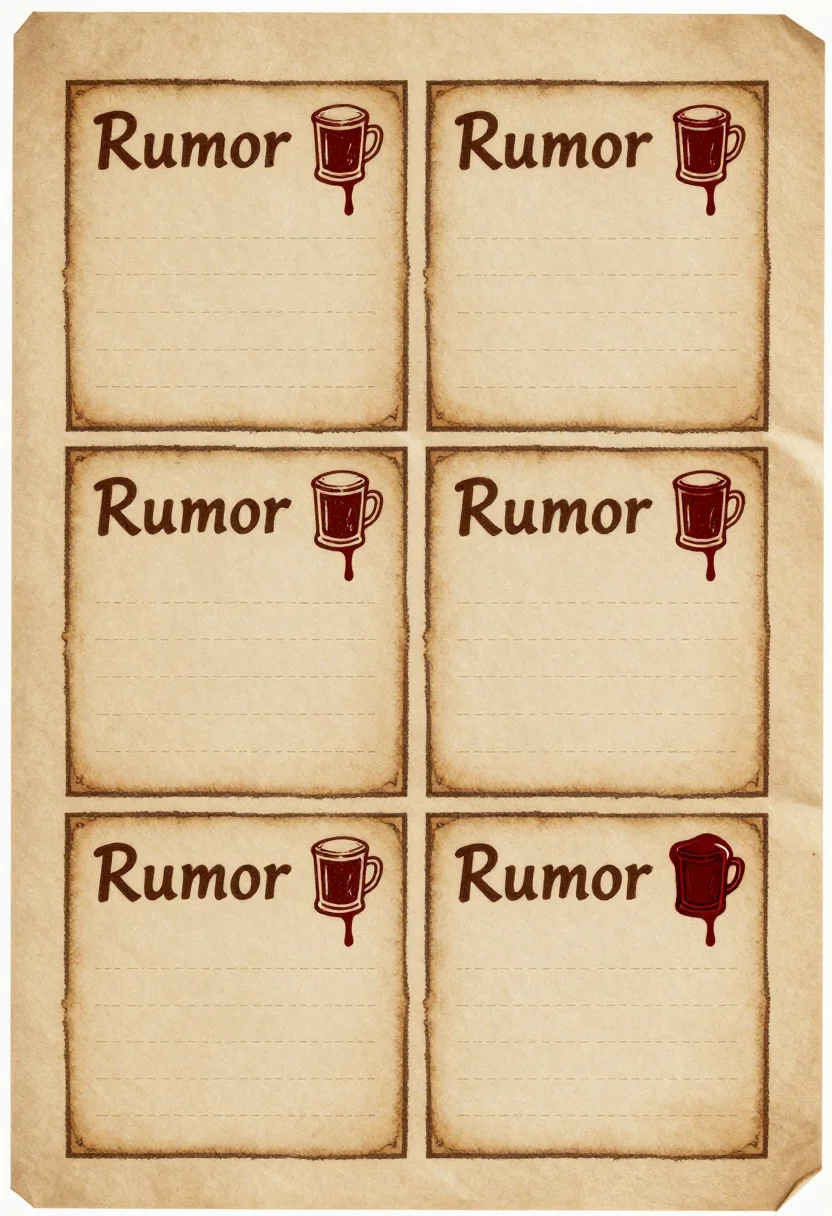
every sample — three subjects, three styles ↓
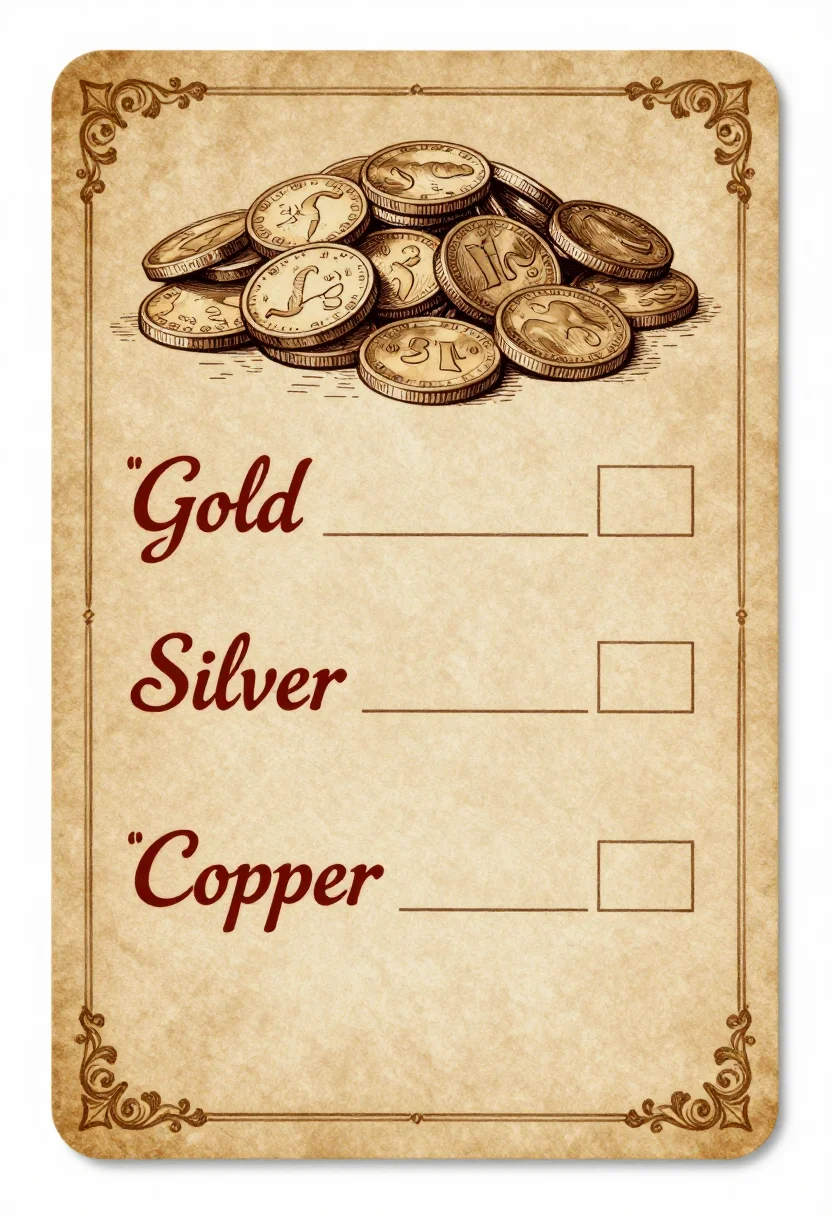
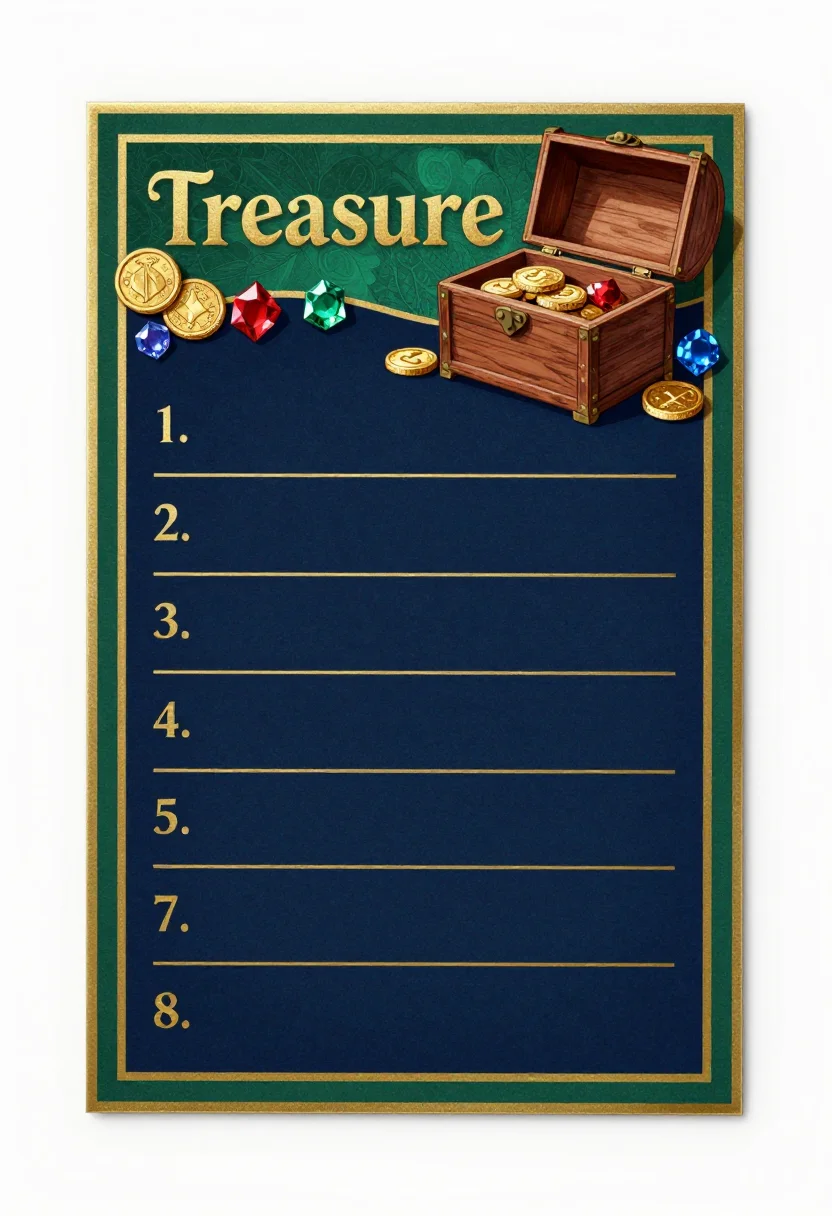
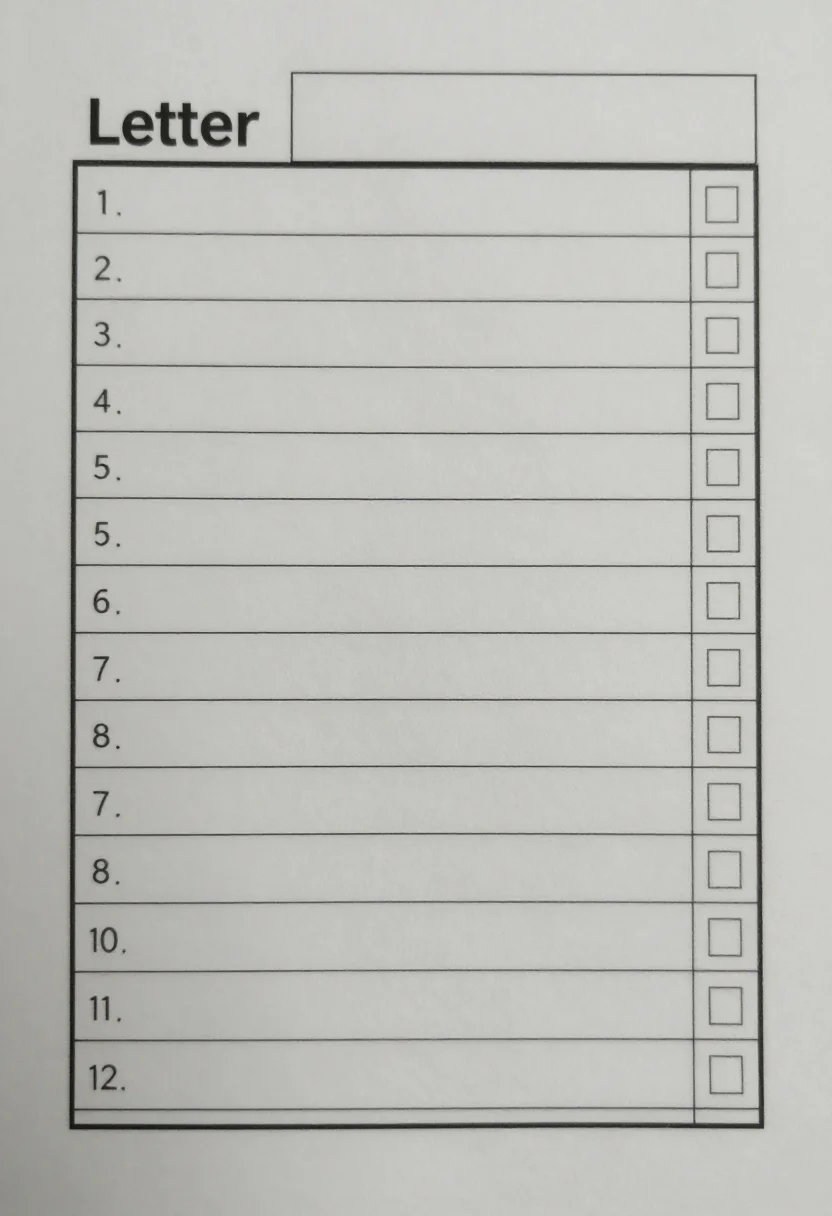
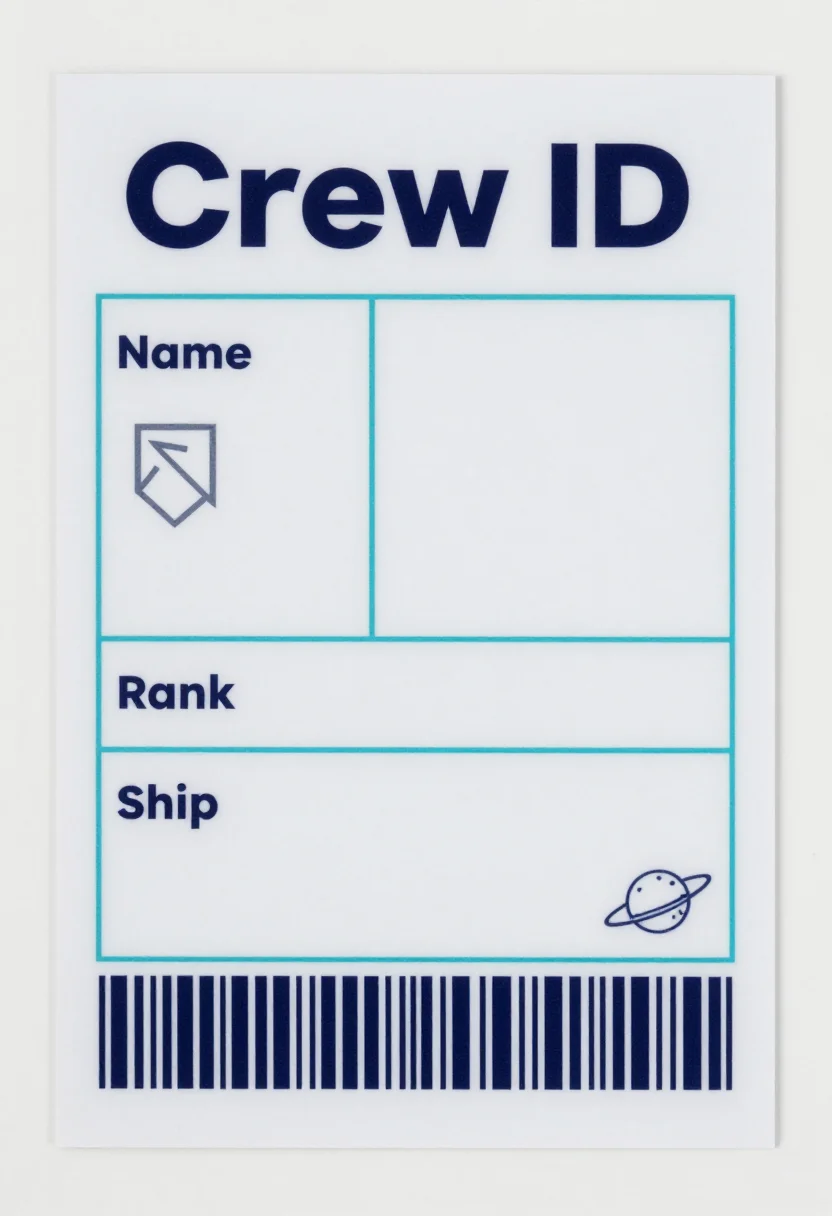
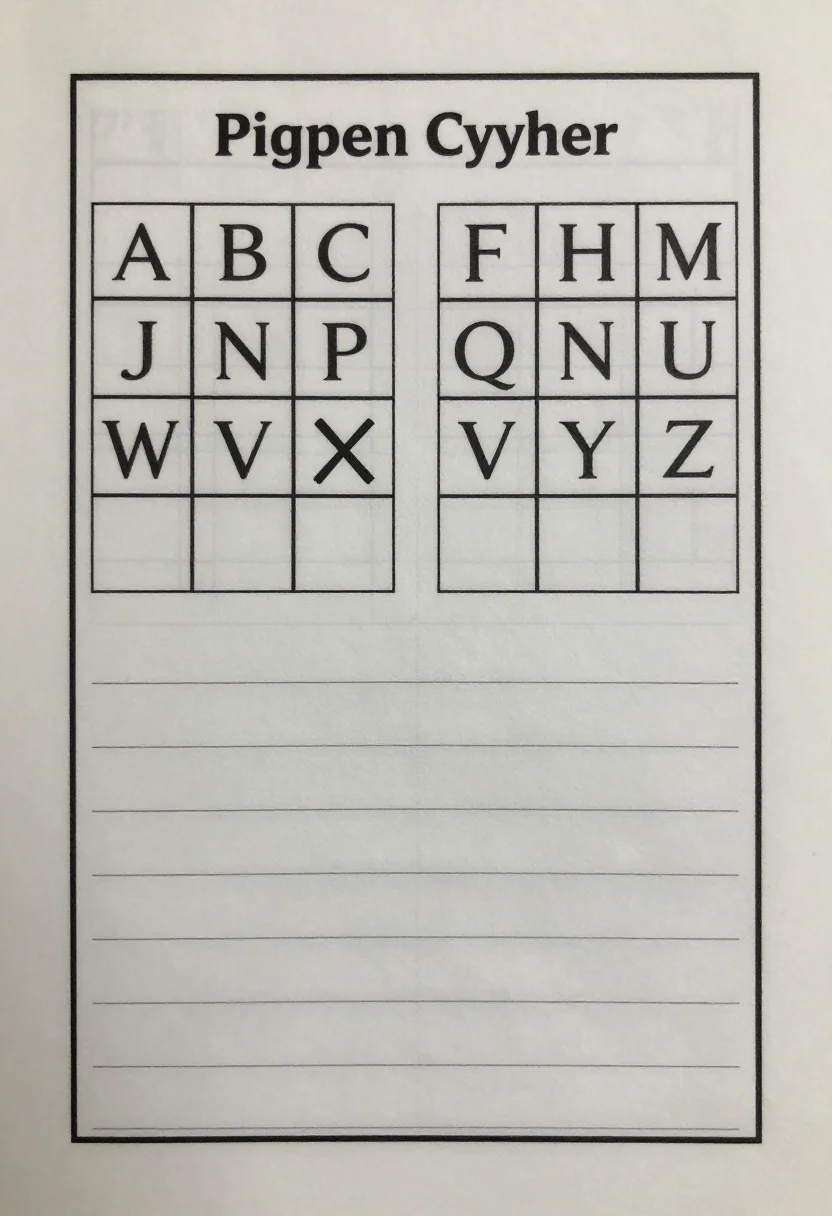
A treasure hoard card puts the loot on paper, so the party can share it out after opening a chest. This pack shows a coin card with empty amount boxes for gold, silver and copper, a gem card with a ruled value table, and a chest card with six numbered item lines. Each comes as parchment, ink line or gilded style. Type a hoard, such as a dragon hoard or a pirate treasure, and the card keeps its lines.
- the loot from a chest the party opens
- a share-out sheet for coins and gems
- a list of the items found in one room
- a card to keep with the party's treasure
Frequently asked questions
- What do the nine pictures show?
- Three readings in three styles: a coin hoard card, a gem card, and a chest contents card with six numbered lines.
- Are the amounts filled in?
- No. The coin and gem cards have empty amount and value boxes, and the chest card has empty numbered lines, so you write the amounts yourself.
- Can I print these as one card?
- Each card is laid out on one vertical page with a thin cut line, so it prints and cuts out as a single card.
- What is the difference between the styles?
- Parchment is an aged, hand-inked card. Ink line is black on white with no fills. Gilded has jewel-toned panels, gold foil borders and glittering coins and gems.
About toile
This page is a showcase and a starting point: nine samples already rendered, three readings of the pack crossed with three styles, each shown at the size and ratio it was made for. Take any of them further on the wall with a few words, or ask for all nine again under your own direction; a sign-in keeps what you make, and it is free while Toile is new. The recipe behind each sample — the subject, the style, the palette, the framing — travels with the image rather than staying private to the render: it is in the alt text of every sample and in the page's own structured data, so a search engine reads the same handles a person would.